

The Secretary of the Shri Ram Janmabhoomi Teerth Kshetra Trust, Champat Rai, has categorically denied allegations that he personally approved the trust’s Standard Operating Procedure (SOP) for cash counting in 2025. Responding to the controversy surrounding the handling of temple donations, Rai asserted that the procedures in question were neither drafted nor sanctioned by him and instead fell within the operational responsibilities of the State Bank of India (SBI), which manages the counting and banking of the temple’s cash collections.
His clarification comes amid increasing public scrutiny over the administration of donations received at the Ram Temple in Ayodhya. Questions had emerged regarding the internal process used for counting and depositing large amounts of cash contributed by devotees, prompting discussions about accountability and transparency.
Rai Distances Himself from the SOP
In his statement, Champat Rai firmly rejected reports suggesting that he had approved or authorized the 2025 cash-counting SOP. According to him, the document being referred to was not prepared under his direction, nor was it endorsed by the Shri Ram Janmabhoomi Teerth Kshetra Trust.
He maintained that the trust has established systems for overseeing donations, but the operational procedures for counting cash are handled by the designated banking institution. Rai emphasized that attributing the SOP directly to him or the trust creates an inaccurate impression of how the donation management process functions.
The clarification was issued to dispel what he described as misinformation surrounding the trust’s administrative practices.
SBI Held Responsible for Operational Procedures
Rai stated that the State Bank of India is entrusted with the responsibility of handling cash collection and counting activities. According to him, the bank is responsible for implementing operational protocols, deploying personnel, and ensuring that the counting process follows established banking norms.
He argued that any procedural shortcomings or operational lapses related to the cash-counting mechanism should be examined within the banking framework rather than being attributed to the temple trust.
By placing responsibility on SBI for the implementation of cash-handling procedures, Rai sought to distinguish the trust’s administrative oversight from the bank’s operational execution. 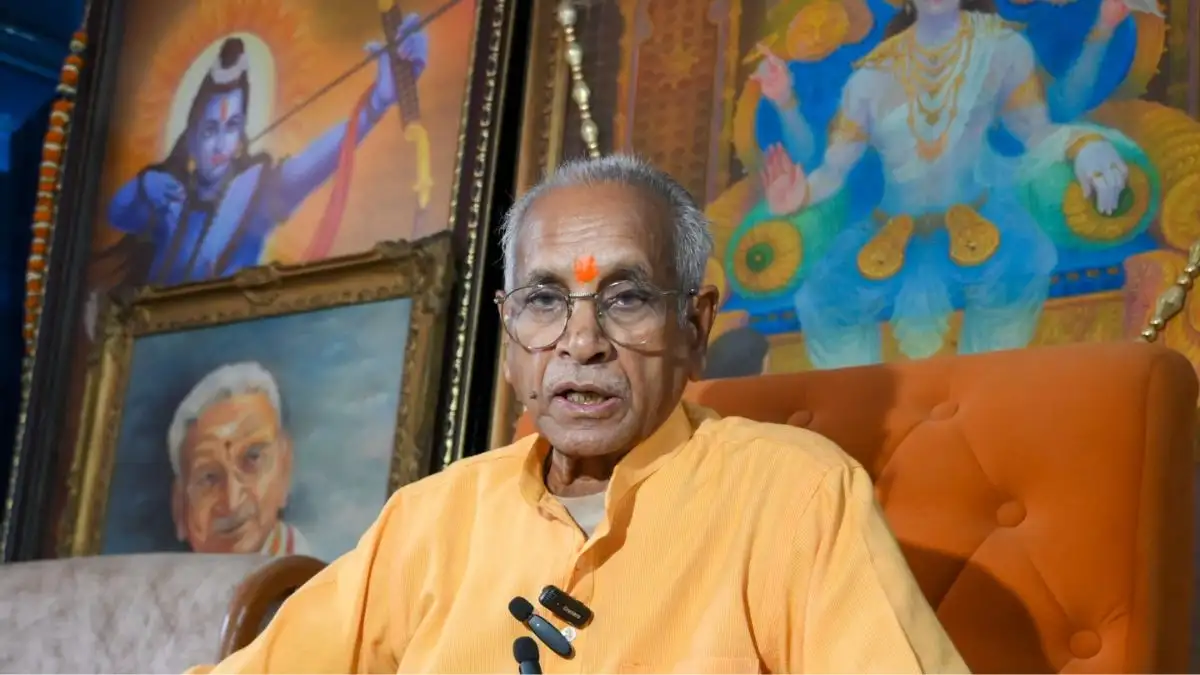
Background to the Controversy
The issue gained attention after reports surfaced regarding the SOP governing the counting of donations received by the Ram Temple. The temple attracts millions of devotees every year, generating significant cash contributions that require systematic collection, counting, verification, and deposit.
Given the enormous volume of donations received, questions were raised over whether adequate safeguards and standardized procedures were in place to ensure transparency and accountability.
The reported SOP became the focus of debate after claims emerged that it had been approved by Champat Rai. His latest statement directly challenges those assertions.
Temple Trust Reiterates Commitment to Transparency
The Shri Ram Janmabhoomi Teerth Kshetra Trust has consistently maintained that it follows established procedures to safeguard donations made by devotees. Rai reiterated that the trust remains committed to financial transparency and responsible management of public contributions.
He stressed that the trust has no interest in compromising the integrity of donation handling and expects all agencies associated with the process to adhere to professional standards.
According to Rai, the trust continues to cooperate with all necessary administrative and banking mechanisms to ensure that donations are processed securely and efficiently.
Importance of Robust Donation Management
The Ram Temple receives substantial financial contributions from devotees across India and abroad, making effective financial management a matter of significant public interest. Large-scale religious institutions typically rely on standardized procedures involving banks, accounting professionals, and independent oversight to ensure that donations are accurately recorded and deposited.
Experts note that clear demarcation of responsibilities between temple administrations and banking institutions is essential for maintaining public confidence. Transparent cash-handling systems, documented operating procedures, and periodic reviews help strengthen accountability while reducing the possibility of operational errors.
Focus Remains on Accountability
The latest clarification by Champat Rai shifts attention toward identifying the authority responsible for preparing and implementing the disputed SOP. While he has denied any role in approving the document, the discussion has highlighted the need for clearly defined responsibilities in the management of donations received by one of India’s most visited religious institutions.
As public interest in the matter continues, the emphasis remains on ensuring transparent financial governance, accurate documentation, and effective coordination between the temple trust and the banking authorities responsible for handling devotees’ contributions.