
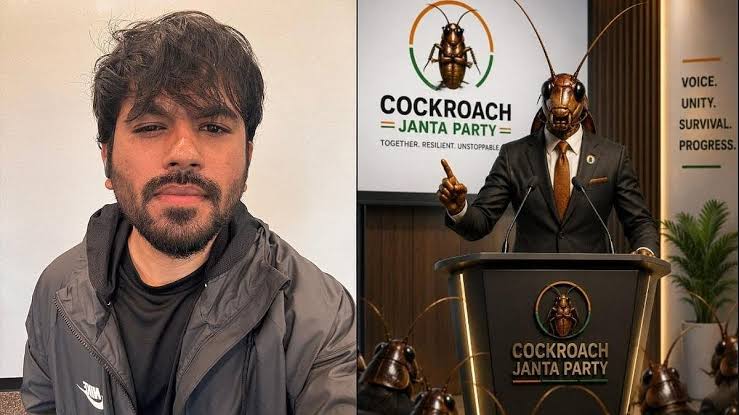
In a significant judgment reinforcing the importance of freedom of expression in the digital era, the Supreme Court directed the restoration of the X (formerly Twitter) account of the Cockroach Janta Party (CJP), holding that the suspension of the account lacked adequate legal justification. The ruling is being viewed as an important precedent for online speech and the responsibilities of social media platforms when restricting user accounts.
The case arose after the political and social activist group alleged that its official X account had been suspended without proper explanation during a period when it was actively campaigning on issues related to public policy, including demands concerning the NEET examination and other governance-related matters. The organization argued that the suspension deprived it of an important platform to communicate with supporters and participate in public debate.
Court Emphasizes Protection of Digital Free Speech
During the hearing, the Supreme Court observed that social media platforms have become one of the most influential mediums for political discourse, public engagement, and dissemination of information. Restricting access to such platforms without sufficient legal grounds can have serious implications for the constitutional right to freedom of speech and expression.
The bench noted that while online platforms possess the authority to enforce their community guidelines, such powers cannot be exercised arbitrarily when the action significantly affects democratic participation or public communication. Any restriction must be transparent, proportionate, and supported by valid reasons.
The Court stressed that constitutional values continue to apply in the digital sphere and that citizens and organizations should not face unjustified limitations on their ability to express opinions through widely used communication platforms.
Suspension Challenged as Arbitrary
Representatives of the Cockroach Janta Party contended that the suspension occurred without a detailed explanation or an effective opportunity to challenge the action. According to the submissions before the Court, the account had been actively highlighting issues surrounding education policies, including concerns over NEET-related developments, while also sharing commentary on matters of public interest.
The petition argued that the unexplained suspension disrupted ongoing campaigns and limited the organization’s outreach at a critical time. It further claimed that the action had broader implications for democratic participation in the digital age.
The Court considered these concerns while examining whether procedural fairness had been followed before restricting access to the account.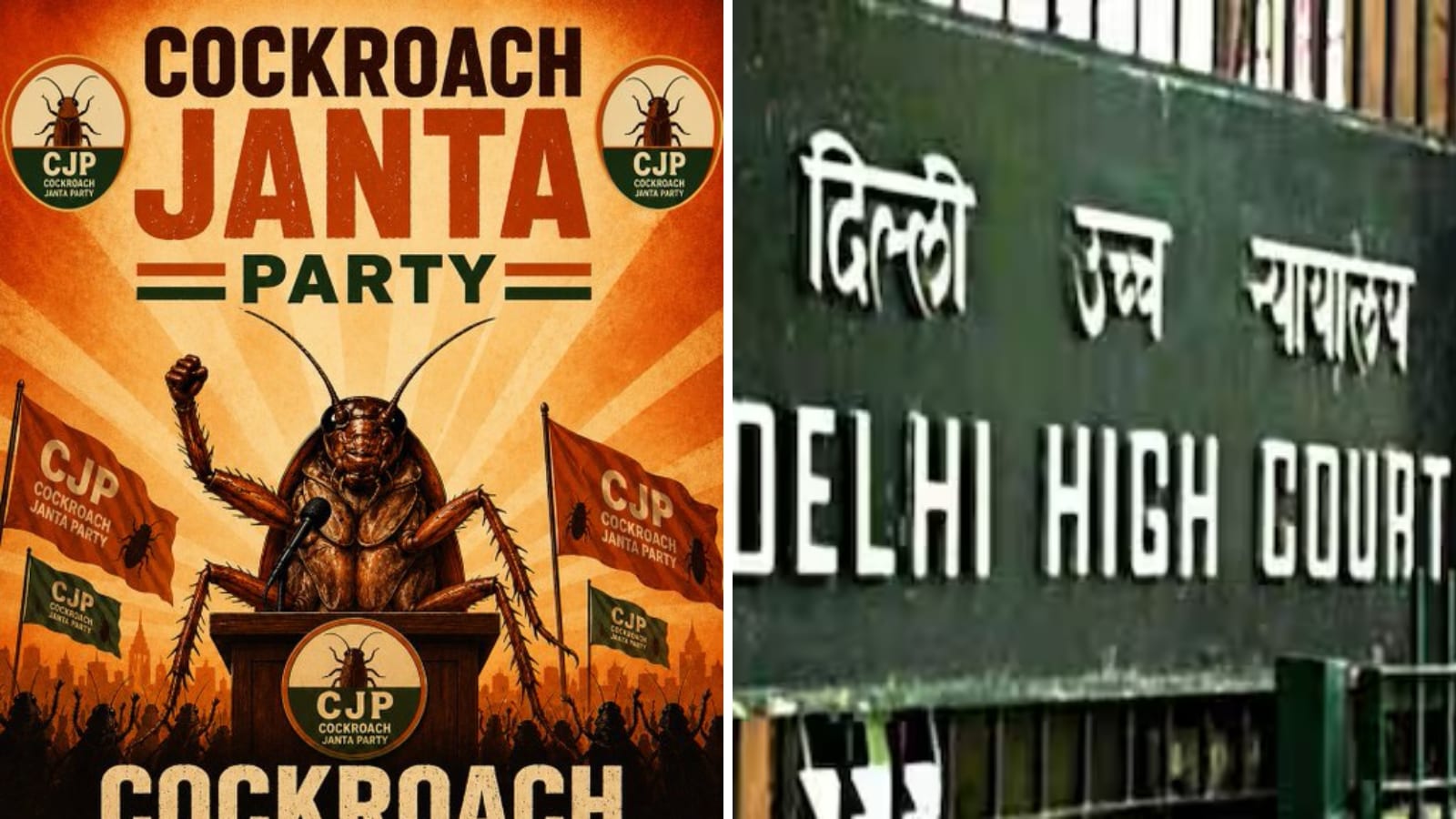
Importance of Transparency by Social Media Platforms
The judgment underscored that social media companies must adopt transparent procedures when taking enforcement actions against users. Clear communication regarding the reasons for suspension, availability of appeal mechanisms, and adherence to due process are essential for maintaining trust in digital platforms.
Legal experts believe the ruling reinforces expectations that online intermediaries should ensure fairness while implementing their moderation policies, particularly where political speech or matters of public importance are involved.
The Court clarified that while platforms retain the right to moderate harmful or unlawful content, such actions should not appear arbitrary or inconsistent with established legal principles.
Wider Significance for Digital Rights
Observers say the decision extends beyond a single account restoration. It highlights the growing recognition of social media as a central space for democratic engagement and public dialogue.
As political organizations, activists, journalists, and citizens increasingly rely on digital platforms to communicate with the public, questions surrounding account suspensions, content moderation, and platform accountability have become more significant.
The ruling is expected to influence future disputes involving online expression, particularly in cases where users challenge restrictions they consider disproportionate or lacking transparency.
Reactions and Future Implications
The restoration of the Cockroach Janta Party’s account has been welcomed by supporters of digital rights and free expression, who argue that transparent moderation practices are essential for preserving public confidence in online platforms.
Legal commentators also noted that the judgment may encourage greater scrutiny of how social media companies implement their policies, especially in cases involving political communication or public-interest advocacy.
Although the Court acknowledged the need for platforms to regulate harmful content, it reiterated that such powers must be exercised responsibly and in accordance with principles of fairness, accountability, and constitutional values.
Conclusion
The Supreme Court’s direction to restore the Cockroach Janta Party’s X account marks an important development in India’s evolving jurisprudence on digital rights and online free speech. By emphasizing transparency, procedural fairness, and the protection of constitutional freedoms in the digital environment, the ruling strengthens safeguards for individuals and organizations participating in public discourse through social media. The judgment is likely to serve as a key reference point in future debates over platform governance, digital expression, and the balance between content moderation and fundamental rights.