
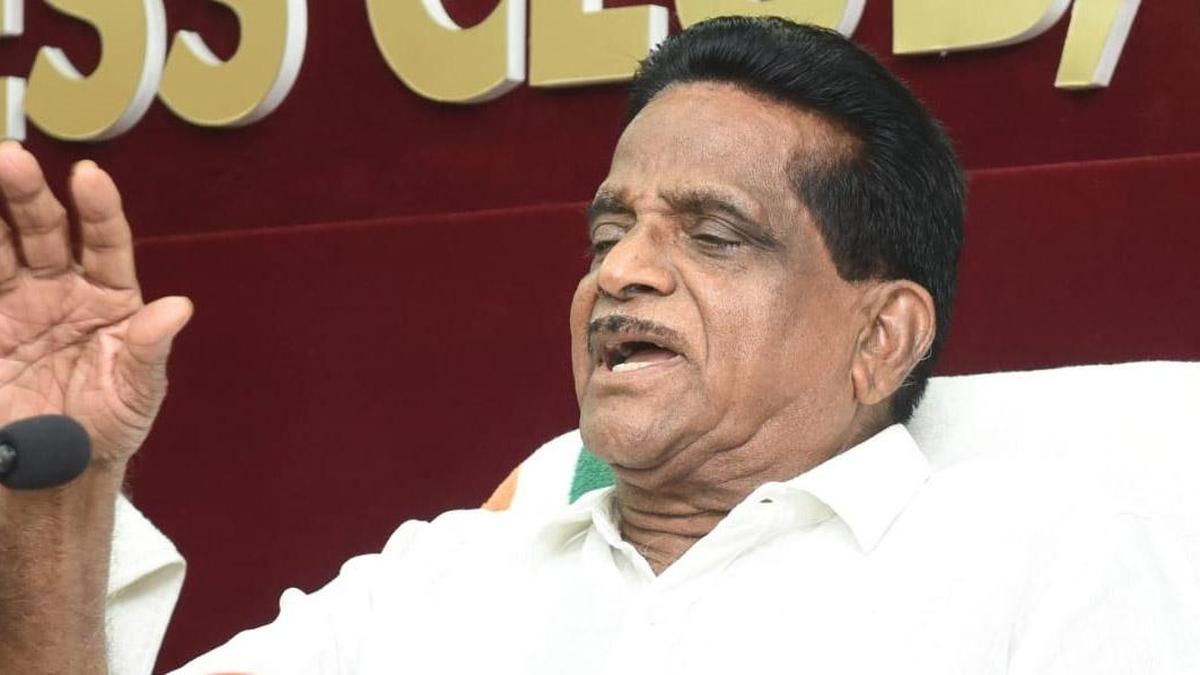
Tensions have surfaced within the Kerala unit of the Communist Party of India (Marxist) after senior leader T.K. Govindan publicly accused party colleague M.V. Jayarajan of being involved in a deliberate attempt to tarnish the image of state secretary M.V. Govindan. The remarks have triggered renewed discussion over internal rifts and factional dynamics within the party’s state leadership.
According to T.K. Govindan, certain recent developments and narratives being circulated within political circles are not coincidental but part of a coordinated effort aimed at undermining the credibility of the party’s state leadership. He alleged that M.V. Jayarajan played a role in shaping or supporting this campaign, which he described as politically motivated and harmful to the organisational unity of the party.
The allegations come at a time when CPI(M) in Kerala is navigating a politically sensitive environment, with the party preparing for key electoral and organisational challenges. Internal cohesion has been considered crucial for maintaining the party’s stronghold in the state, and such public accusations have brought internal disagreements into sharper focus.
T.K. Govindan further asserted that attempts to question or weaken the authority of the state secretary could have broader implications for the party’s functioning and public perception. He suggested that misinformation or targeted criticism was being strategically used to create divisions within the leadership structure.
While the accusations have generated attention, there has been no formal confirmation or detailed response from M.V. Jayarajan regarding the specific claims made against him. Party insiders indicate that discussions may be underway at higher levels to assess the situation and prevent further escalation of internal discord.
The episode highlights the complex nature of factional relationships within major political organisations, where ideological alignment does not always prevent personal or strategic differences from emerging. Observers note that CPI(M), despite its disciplined organisational framework, has in the past witnessed internal disagreements surfacing publicly during politically sensitive periods.
At present, party leadership is expected to manage the situation discreetly to avoid any lasting damage to its public image. Whether the matter leads to internal disciplinary review or is resolved through organisational dialogue remains to be seen.