

Israel has categorically denied media reports claiming that it had developed or approved a plan to assassinate Iran’s Supreme Leader, Ayatollah Ali Khamenei, dismissing the allegations as “complete fabrication.” The strong rebuttal comes amid continued geopolitical tensions between Israel and Iran, with both countries remaining locked in a long-standing rivalry marked by military, diplomatic, and intelligence confrontations.
The Israeli government’s response followed the publication of a report suggesting that senior Israeli officials had considered or discussed a plan targeting Iran’s highest political and religious authority during periods of heightened regional instability. Israeli officials swiftly rejected the claims, insisting that the report lacked factual basis and misrepresented the country’s security policies.
Israel Issues Strong Denial
In an official response, Israeli authorities described the allegations as entirely false, emphasizing that the report was not grounded in verified information. Government representatives stated that speculation regarding sensitive national security matters often circulates during periods of regional conflict but cautioned against treating such reports as factual.
Officials maintained that the publication contained inaccurate assertions and reiterated that Israel does not comment publicly on intelligence-related operations or hypothetical military scenarios. By labeling the report a “complete fabrication,” the government sought to dispel speculation that it had contemplated targeting Iran’s top leadership.
The denial also reflects Israel’s broader effort to manage diplomatic messaging during an already volatile period in the Middle East, where military actions and political rhetoric are closely scrutinized by the international community.
Longstanding Israel-Iran Rivalry
Relations between Israel and Iran have remained deeply adversarial for decades. Israel has consistently accused Iran of expanding its military influence across the Middle East through allied armed groups and advancing nuclear capabilities that it believes pose a direct threat to regional security.
Iran, meanwhile, has repeatedly criticized Israeli military operations and foreign policy, accusing Israel of destabilizing the region. The two countries have engaged in a prolonged shadow conflict involving cyber operations, intelligence activities, targeted strikes, and proxy confrontations across multiple countries.
These tensions have intensified periodically, particularly during conflicts involving Iranian-backed groups and Israeli military operations in neighboring territories. 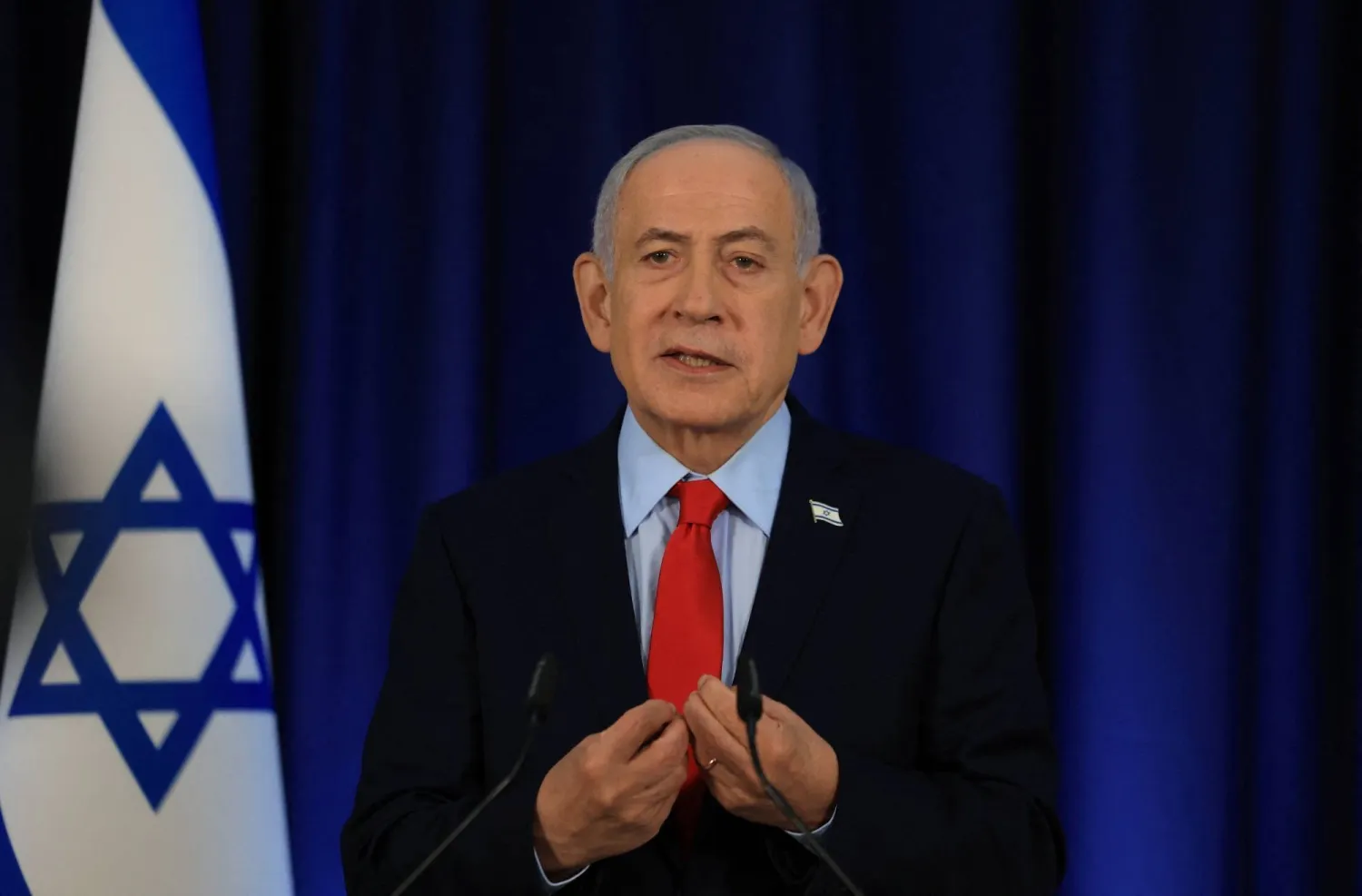
Sensitivity of Leadership-Targeting Claims
Reports suggesting potential plans to target senior political or military leaders carry significant diplomatic implications. Such allegations can fuel speculation about military escalation, influence regional security calculations, and prompt international concern over the possibility of broader conflict.
Analysts note that discussions surrounding high-profile leadership targets often generate widespread attention because they involve strategic, legal, and geopolitical considerations. However, governments rarely confirm or publicly discuss intelligence-related decisions, making independent verification of such claims particularly challenging.
Israel’s firm rejection underscores the sensitivity surrounding reports involving covert operations and senior foreign leaders.
Regional and International Implications
The latest controversy emerges at a time when the Middle East continues to experience heightened instability. International governments have repeatedly urged restraint from both Israel and Iran to prevent further escalation that could draw additional countries into a wider regional conflict.
Diplomatic observers warn that misinformation or unverified reports involving military planning can complicate ongoing diplomatic efforts and increase uncertainty in an already fragile security environment.
Despite the denial, the episode highlights the deep mistrust that characterizes relations between the two nations and the broader strategic competition shaping regional politics.
Continued Focus on Regional Security
Israel has consistently maintained that protecting its national security remains its highest priority while continuing to monitor developments involving Iran and its regional allies. Iranian authorities, for their part, have continued to accuse Israel of hostile actions aimed at undermining Iran’s security interests.
As geopolitical tensions persist, both governments are expected to remain cautious in their public statements while international observers closely monitor developments that could affect regional stability.
Although Israel has unequivocally dismissed the reported assassination plot as fabricated, the incident once again illustrates the intense scrutiny surrounding the complex and often secretive relationship between the two Middle Eastern rivals.