
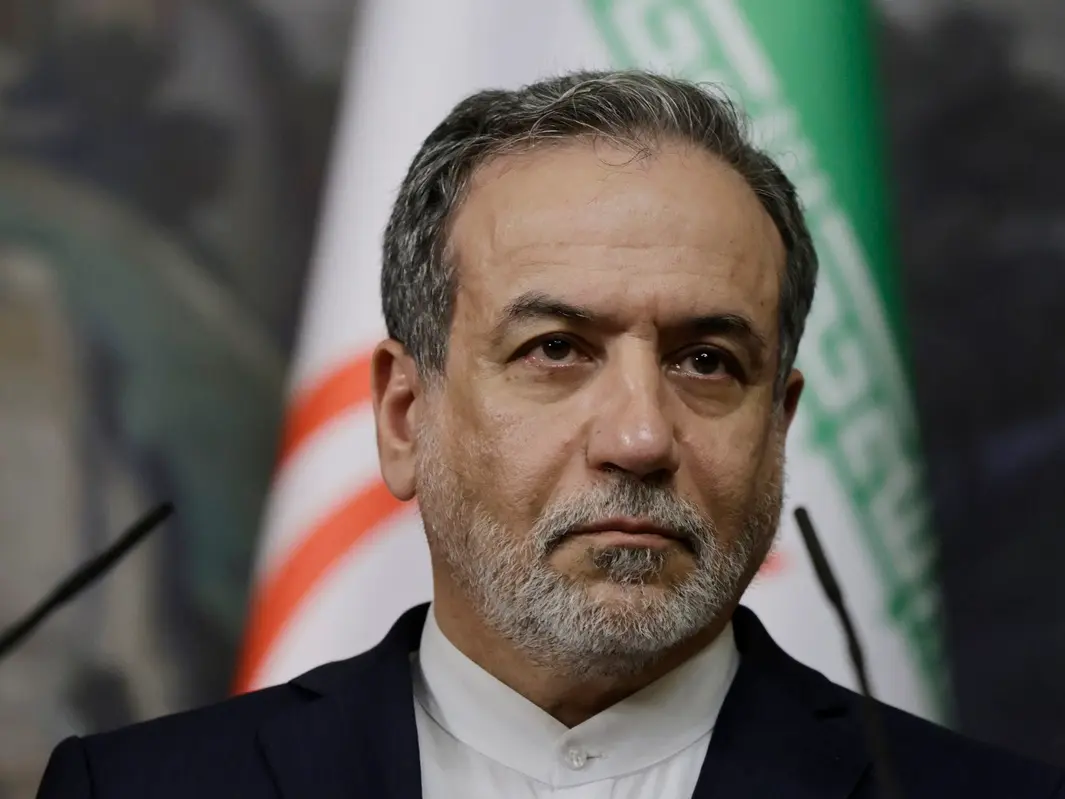
The United States reportedly issued a firm warning to Israel against targeting two of Iran’s most senior political figures during the recent period of heightened military tensions, according to emerging reports. The warning is said to have been conveyed amid growing concerns that any assassination of Iran’s top leadership could dramatically escalate the already volatile situation in the Middle East and trigger a broader regional conflict.
According to the reports, the individuals at the center of the warning were Iranian Foreign Minister Abbas Araghchi and Parliament Speaker Mohammad Bagher Ghalibaf. Both leaders play influential roles within Iran’s political establishment, and any attack on them would likely have carried significant diplomatic and military consequences.
The reported intervention reflects Washington’s continued efforts to prevent the conflict between Israel and Iran from spiraling into a wider war involving multiple countries across the region.
US Efforts to Prevent Escalation
The United States has consistently maintained that while it supports Israel’s security, it also seeks to avoid actions that could provoke an uncontrollable regional conflict. Diplomatic sources cited in the reports suggest that American officials communicated their concerns to Israeli authorities after intelligence indicated that prominent Iranian political leaders could become potential targets.
The warning reportedly emphasized that assassinations of high-ranking civilian political officials would represent a significant escalation beyond conventional military operations and could undermine ongoing diplomatic efforts aimed at reducing tensions.
Officials are believed to have stressed that such actions might provoke an immediate and forceful response from Tehran, increasing the likelihood of direct military confrontation between Iran and Israel.
Who Are the Iranian Leaders Mentioned?
Foreign Minister Abbas Araghchi has emerged as one of Iran’s most prominent diplomats, particularly in recent negotiations involving nuclear issues and regional security. As Iran’s chief diplomat, he has played a crucial role in representing Tehran on the international stage and managing the country’s foreign policy during periods of heightened geopolitical tension.
Meanwhile, Parliament Speaker Mohammad Bagher Ghalibaf is considered one of Iran’s most influential political figures. A former military commander and senior conservative leader, Ghalibaf has significant influence over domestic policymaking and national security discussions.
Any attempt to assassinate either official would not only have political implications inside Iran but could also reshape regional diplomatic dynamics. 
Growing Concerns Over Regional Stability
The Middle East has experienced repeated cycles of military escalation involving Israel, Iran, and various allied armed groups operating across the region. Cross-border strikes, missile attacks, and retaliatory operations have fueled concerns among global powers that a localized conflict could rapidly expand.
Security analysts believe that targeted killings of senior Iranian political figures would represent a major departure from previous military engagements and could prompt Iran to respond directly against Israeli or American interests.
Such a scenario could draw additional regional actors into the conflict, increasing instability across the Gulf, Levant, and surrounding areas.
Diplomatic Calculations Behind the Warning
Washington’s reported warning highlights the delicate balance the United States continues to maintain between supporting its close ally Israel and preventing a wider regional war.
American policymakers have repeatedly emphasized the importance of avoiding actions that could derail diplomatic channels or encourage further retaliation between rival powers.
Diplomatic experts note that preventing attacks on senior civilian leadership is often viewed as essential to preserving opportunities for dialogue, even during periods of military confrontation.
The reported communication underscores concerns that eliminating top Iranian political figures could remove potential diplomatic interlocutors while strengthening hardline responses within Tehran.
Israel’s Security Perspective
Israel has long viewed Iran as its primary strategic adversary, citing concerns over Tehran’s nuclear ambitions, missile capabilities, and support for regional armed groups.
Israeli officials have consistently maintained that they reserve the right to act against threats to national security. However, public confirmation regarding any alleged plans targeting Iran’s senior political leadership has not been made.
Israel generally refrains from commenting on intelligence-related operations or reports concerning potential military planning.
Potential International Repercussions
If confirmed, the reported warning illustrates the extent to which global powers remain concerned about preventing another major conflict in the Middle East.
International observers have repeatedly warned that any direct confrontation between Israel and Iran could disrupt global energy markets, threaten international shipping routes, and increase humanitarian risks across the region.
Governments worldwide continue to encourage restraint, diplomatic engagement, and efforts to reduce hostilities while monitoring developments closely.
Although the reported warning has attracted significant international attention, officials involved have not publicly disclosed further details regarding the communication or any subsequent diplomatic discussions.
For now, the report highlights the complex geopolitical calculations shaping decision-making among regional and global powers as they attempt to manage one of the world’s most sensitive security crises.