
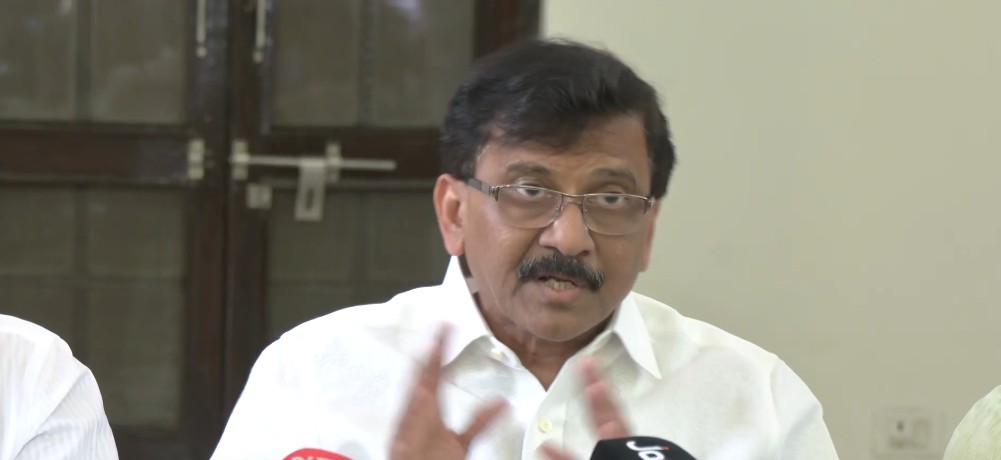
The political turmoil within Shiv Sena (Uddhav Balasaheb Thackeray) continues to intensify as senior party leader Sanjay Raut acknowledged growing dissatisfaction among party loyalists following a series of high-profile defections. In a candid assessment of the situation, Raut suggested that the party leadership must engage in serious introspection to understand the reasons behind the recent exits and address concerns emerging from within its ranks.
His remarks come at a critical juncture for the party, which has been grappling with internal challenges and leadership questions after facing multiple splits over the past few years. The latest developments have reignited debate over the future direction of the organization and the measures required to restore confidence among party workers and supporters.
Concerns Over Internal Discontent
Speaking about the recent departures, Raut indicated that some long-time party members and loyalists may feel overlooked or underappreciated. He suggested that dissatisfaction often arises when certain individuals receive greater recognition, responsibilities, or opportunities than others, creating feelings of resentment among dedicated workers.
According to Raut, such concerns cannot be ignored if the party hopes to maintain unity and strengthen its organizational structure. He emphasized that every political party experiences periods of internal tension, but successful organizations are those that openly evaluate their shortcomings and take corrective action.
His comments are being viewed as one of the strongest acknowledgments yet from a senior party leader that internal grievances may have contributed to the ongoing crisis.
A Call for Honest Self-Assessment
Raut stressed that introspection is essential for any political movement seeking long-term relevance. Rather than focusing solely on external factors behind the defections, he argued that the party must also examine whether communication gaps, organizational issues, or leadership decisions may have alienated some members.
Political observers believe these remarks reflect an attempt to encourage constructive dialogue within the party at a time when questions are being raised about strategy, leadership succession, and grassroots engagement.
The call for introspection also signals recognition that retaining committed party workers is as important as attracting new supporters. Senior leaders increasingly acknowledge that morale within the organization will play a key role in determining its political future. 
Defections Deepen Crisis
The party has recently witnessed a significant exodus of leaders and elected representatives, adding to concerns about its stability. The departures have strengthened rival political formations and sparked discussions about whether the party can successfully rebuild its organizational strength ahead of future electoral battles.
The defections have also fueled criticism from opponents, who argue that the departures reflect deeper dissatisfaction within the party. Meanwhile, Shiv Sena (UBT) leaders maintain that external political pressures and inducements have played a major role in influencing those who left.
Despite these competing narratives, the latest comments from Raut suggest that at least part of the solution lies in addressing internal concerns and restoring trust among party members.
Focus on the Next Generation of Leadership
The ongoing developments have also intensified discussions about leadership transition within the party. In recent weeks, Raut has spoken positively about the capabilities of younger leaders, particularly Aaditya Thackeray, describing him as a leader capable of taking on greater responsibilities in the future.
Many within the party view the emergence of a new generation of leadership as a crucial step toward organizational renewal. Supporters argue that younger leaders can help reconnect the party with changing voter expectations while preserving its core ideological identity.
At the same time, party veterans continue to emphasize the importance of balancing experience with generational change to ensure stability during a challenging period.
Challenges Ahead for Shiv Sena (UBT)
The road ahead remains complex for the Uddhav Thackeray-led formation. Rebuilding organizational unity, retaining grassroots workers, and countering the political momentum of rivals will require sustained effort and strategic planning.
Analysts note that the party faces a dual challenge: managing immediate political fallout from defections while simultaneously preparing for future elections. Achieving both objectives will depend heavily on the leadership’s ability to address concerns raised by party members and present a clear vision for the future.
Raut’s remarks highlight a growing recognition within the party that political recovery cannot be achieved through confrontation alone. Instead, a combination of introspection, organizational reforms, and renewed engagement with loyal workers may be necessary to restore confidence and strengthen the party’s position in Maharashtra’s evolving political landscape.
Looking Forward
As Shiv Sena (UBT) navigates one of the most challenging phases in its recent history, the call for introspection reflects a broader effort to reassess priorities and rebuild internal cohesion. Whether these efforts translate into meaningful organizational change remains to be seen, but the acknowledgement of discontent among loyalists marks an important moment in the party’s ongoing struggle to redefine itself after successive political setbacks.
The coming months are likely to determine whether the party can convert this period of reflection into a successful strategy for revival, or whether internal divisions will continue to shape its political trajectory.