
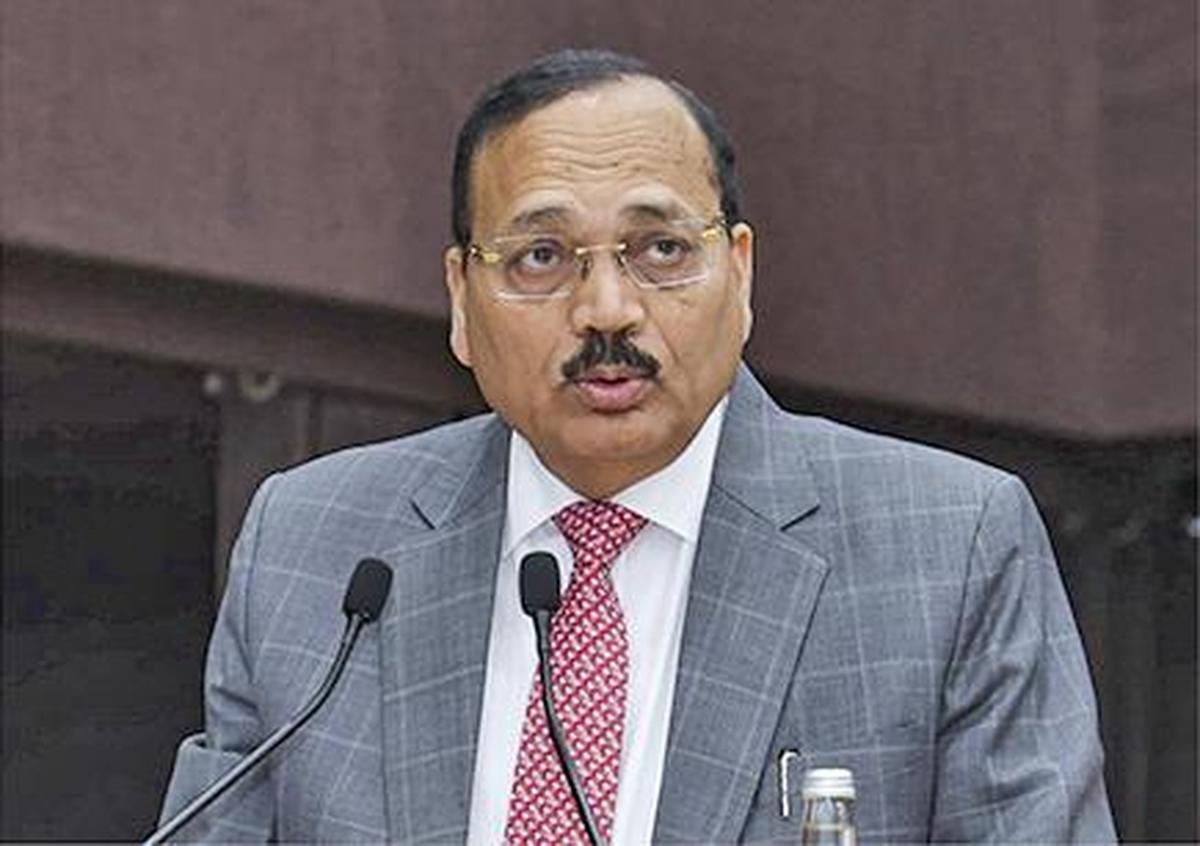
A group of 21 opposition parties has jointly approached the Supreme Court, expressing serious concerns regarding the Election Commission’s ongoing voter roll verification exercise. The parties have urged the country’s highest court to examine the process, arguing that it could potentially affect the voting rights of millions of citizens if not implemented with adequate safeguards and transparency.
The collective appeal reflects growing political unease over the manner in which electoral rolls are being revised and verified ahead of upcoming elections. Leaders from several major opposition parties contend that the current methodology adopted by the Election Commission may create difficulties for eligible voters, particularly those belonging to economically weaker sections, migrant communities, rural populations, and individuals who may face challenges in producing required documentation within prescribed timelines.
Concerns Raised by Opposition Parties
According to the opposition parties, the voter roll verification process requires closer judicial scrutiny to ensure that no eligible citizen is inadvertently excluded from the electoral system. The parties argue that electoral rolls form the foundation of democratic participation and that any exercise affecting voter registration must be conducted with maximum transparency, fairness, and accountability.
The opposition has reportedly highlighted concerns about procedural complexities and the possibility of errors during the verification exercise. They maintain that large-scale revisions of voter lists can have significant consequences if adequate mechanisms are not in place to address grievances and rectify mistakes promptly.
The parties have also emphasized that the right to vote is a cornerstone of democratic governance and that any administrative exercise linked to voter eligibility must prioritize inclusiveness. In their communication to the Supreme Court, they reportedly sought safeguards that would prevent eligible voters from being removed or disenfranchised due to procedural shortcomings.
Call for Judicial Oversight
The opposition leaders have requested the Supreme Court to closely monitor the implementation of the verification process and ensure that constitutional principles are upheld. They argue that judicial oversight could help strengthen public confidence in the electoral system and guarantee that the exercise remains free from any perception of bias or arbitrariness.
The parties believe that the court’s intervention would provide clarity on the standards and procedures being followed by election authorities. They have also stressed the importance of maintaining public trust in democratic institutions, particularly during periods of electoral preparation. 
Election Commission’s Role and Electoral Integrity
The Election Commission, as the constitutional body responsible for conducting elections and maintaining electoral rolls, routinely undertakes verification and revision exercises to ensure voter lists remain accurate and up to date. Such exercises are intended to identify duplicate entries, update voter information, and remove records of deceased or ineligible individuals.
However, opposition parties argue that while maintaining accurate voter rolls is essential, the process must be carefully balanced against the need to protect the voting rights of genuine electors. They contend that administrative efficiency should not come at the cost of excluding legitimate voters from participating in elections.
Broader Political Significance
The issue has emerged as a significant political flashpoint, reflecting broader debates over electoral transparency, institutional accountability, and democratic participation. The joint move by 21 opposition parties demonstrates a coordinated effort to challenge aspects of the verification exercise that they believe require greater scrutiny.
Political observers note that disputes over voter registration and electoral roll management often become contentious because of their direct impact on democratic representation. Any concerns regarding voter inclusion or exclusion tend to attract significant public and political attention, particularly in the run-up to important elections.
The opposition’s appeal to the Supreme Court is likely to intensify discussions around electoral reforms and the mechanisms used to verify voter eligibility. The outcome of any judicial examination could have important implications for future voter roll revision exercises across the country.
What Happens Next?
With the matter now brought before the Supreme Court, attention will focus on whether the court decides to examine the concerns raised by the opposition parties and seek responses from the Election Commission and other relevant authorities. Any directions issued by the court could shape the conduct of the ongoing verification process and influence future electoral administration practices.
As debates continue over voter registration procedures and electoral safeguards, the issue underscores the importance of ensuring that democratic processes remain transparent, inclusive, and accessible to all eligible citizens. The coming weeks are expected to witness further legal and political developments as stakeholders present their arguments on a matter that lies at the heart of India’s electoral democracy.