
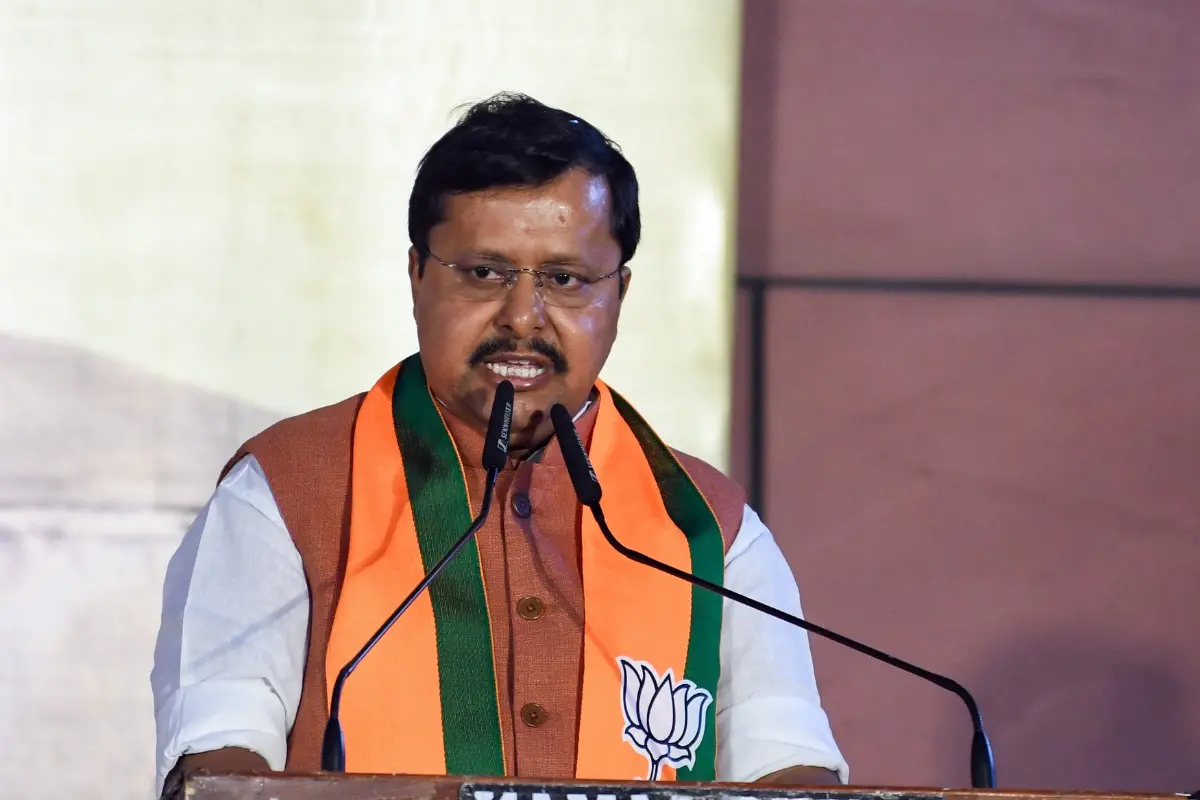
A fresh political controversy has emerged over the ongoing voter verification exercise in Bihar, with senior Bharatiya Janata Party (BJP) leader and Bihar minister Nitin Nabin launching a strong attack on a group of activists and civil society members who have raised concerns about the process. The remarks have intensified the political debate surrounding electoral reforms, voter registration, and allegations of political polarization ahead of future elections.
Nabin accused members associated with a campaign opposing the voter verification initiative of attempting to create confusion among citizens and undermine confidence in democratic institutions. He alleged that certain activists were pursuing an agenda that could weaken national unity and encourage divisions within society.
The controversy centers on objections raised by a group that has questioned aspects of the voter verification exercise being conducted in Bihar. Critics of the process argue that it could potentially affect eligible voters if not implemented carefully and transparently. They have called for greater scrutiny and safeguards to ensure that no legitimate voter is excluded from electoral rolls.
However, Nabin strongly rejected these concerns, claiming that the criticism was politically motivated and designed to create unnecessary fear among the public. According to him, the voter verification initiative is an administrative process aimed at improving the accuracy of electoral records and strengthening the integrity of the democratic system.
Allegations of a Larger Political Agenda
During his remarks, the BJP leader specifically targeted individuals associated with the campaign, alleging that they were attempting to spread misinformation regarding the objectives of the voter verification exercise. He argued that efforts to question the process without sufficient evidence could damage public trust in electoral mechanisms.
Nabin further claimed that some of the activists involved were aligned with ideological groups that have frequently opposed government initiatives and national policies. He suggested that these voices were trying to create divisions by portraying routine electoral procedures as controversial or discriminatory.
The minister’s comments also referenced concerns about national unity, with him asserting that attempts to challenge democratic institutions without substantive grounds could have broader consequences for social cohesion and political stability. 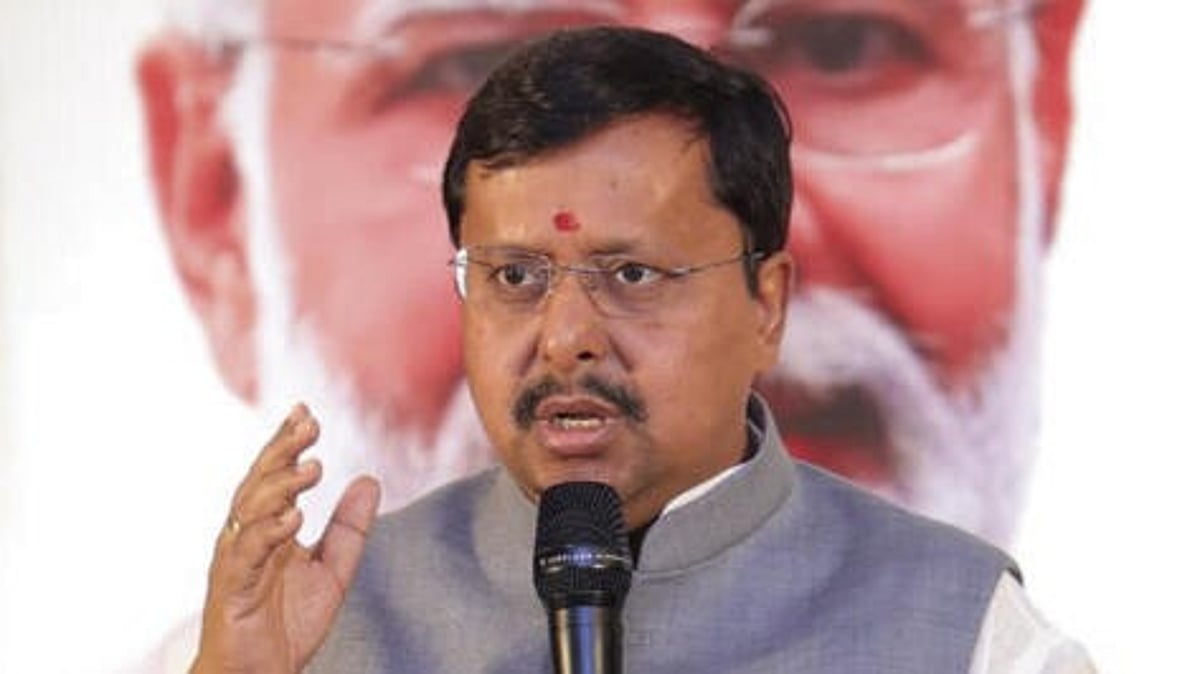
Activists Raise Concerns Over Voter Rights
Those opposing the voter verification exercise have maintained that their concerns are focused on protecting voter rights and ensuring that every eligible citizen remains represented on electoral rolls. Activists involved in the campaign have emphasized the importance of transparency, accountability, and procedural safeguards during any large-scale revision or verification process.
They argue that electoral rolls form the foundation of democratic participation and therefore require careful oversight. According to critics, public awareness and independent scrutiny are essential to prevent errors that could affect voters, particularly vulnerable communities.
The debate has highlighted differing perspectives on how electoral reforms should be implemented and monitored. While government representatives insist that verification efforts are necessary to maintain accurate records, activists contend that safeguards must remain a top priority throughout the process.
Political Reactions Intensify
The exchange has quickly evolved into a wider political issue, drawing reactions from multiple quarters. Supporters of the BJP have defended Nabin’s stance, asserting that electoral roll verification is a legitimate administrative exercise intended to eliminate inaccuracies and strengthen election management.
Opposition voices and civil society groups, meanwhile, have criticized the tone of the minister’s remarks, arguing that democratic discourse should allow room for questions and scrutiny of public processes. They contend that raising concerns about electoral procedures does not automatically amount to opposition to the democratic system itself.
Political analysts note that disputes surrounding voter registration and electoral verification often become highly sensitive because of their direct impact on democratic participation. As Bihar remains a politically significant state, debates over election-related processes are likely to attract considerable public and political attention.
Electoral Integrity at the Center of the Debate
The controversy underscores the broader national discussion about electoral integrity, voter inclusion, and institutional trust. Election-related reforms frequently generate competing narratives, with authorities emphasizing accuracy and efficiency while critics focus on transparency and voter protection.
As the voter verification exercise continues, the debate is expected to remain a prominent issue in Bihar’s political landscape. Both government representatives and activists are likely to continue presenting their arguments, with public confidence in the electoral process emerging as a key theme.
For now, the dispute reflects the growing tensions surrounding election administration in India, where questions of voter participation, institutional credibility, and political accountability remain central to democratic discourse.
If you need a more detailed 800–1,000 word version optimized for WordPress SEO plugins such as Yoast or Rank Math, I can provide that as well.