
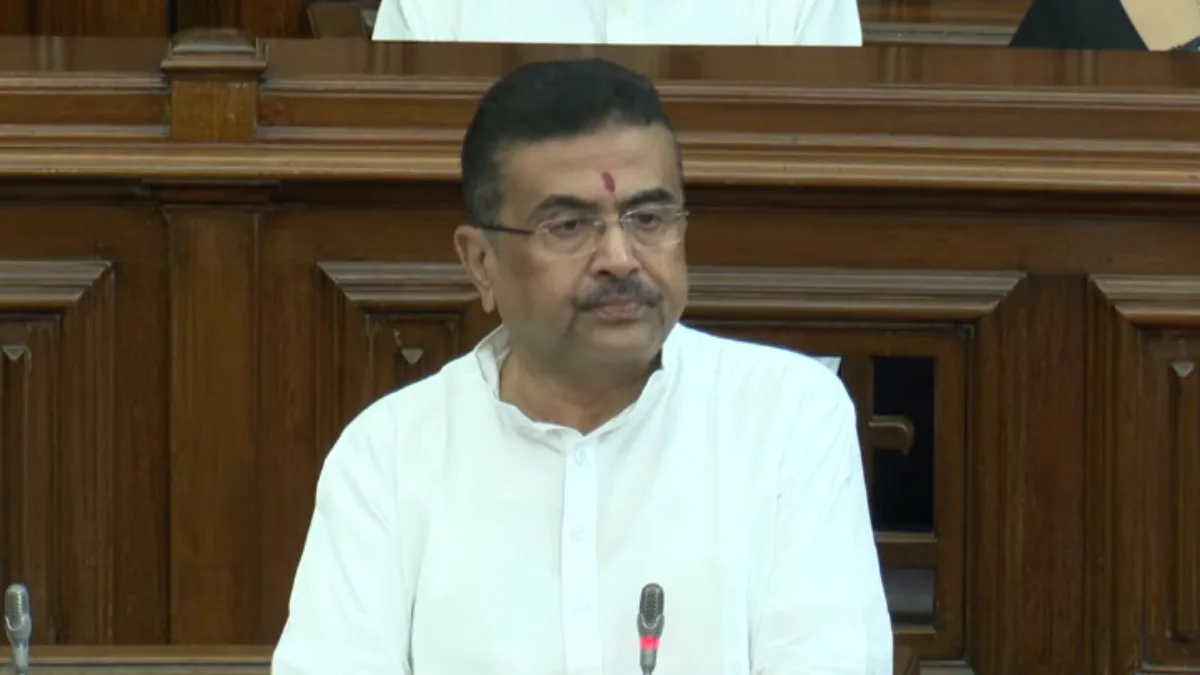
The West Bengal government is preparing to introduce two politically significant measures during the upcoming session of the state legislative assembly, setting the stage for another confrontation between the ruling Trinamool Congress (TMC) and the Bharatiya Janata Party (BJP). The proposed legislation targeting anti-social activities and a resolution opposing the implementation of a Uniform Civil Code (UCC) are expected to dominate the political discourse in the state.
The move comes at a time when debates surrounding law and order, governance, constitutional rights, and federalism continue to shape the national political landscape. The TMC government, led by Chief Minister Mamata Banerjee, has positioned the proposed measures as necessary interventions to protect social harmony and uphold constitutional diversity, while the BJP is likely to challenge the initiatives as politically motivated.
New Bill Aimed at Tackling Anti-Social Activities
One of the key legislative proposals expected to be tabled is a bill focused on addressing anti-social activities within the state. According to government officials, the proposed law is intended to provide authorities with stronger legal mechanisms to curb organized criminal activities, violence, intimidation, and actions deemed disruptive to public order.
The state government argues that existing legal provisions are often insufficient to address emerging forms of criminal networks and coordinated unlawful activities. Through the proposed legislation, authorities seek to strengthen preventive measures and enhance the state’s capacity to respond to threats affecting public safety and community peace.
Supporters of the bill contend that it could provide law enforcement agencies with additional tools to maintain order and prevent recurring incidents of violence. However, opposition parties are expected to closely scrutinize the bill’s provisions, raising concerns about potential misuse and the need for safeguards to protect civil liberties.
Uniform Civil Code Resolution Likely to Trigger Political Debate
The second major proposal expected during the assembly session is a resolution opposing the implementation of a Uniform Civil Code. The issue has remained one of the most debated political and constitutional subjects in India, with differing views emerging from various states and political parties.
The Uniform Civil Code seeks to establish a common set of laws governing personal matters such as marriage, divorce, inheritance, and adoption for all citizens, irrespective of religion. Proponents argue that a common civil framework would promote equality and legal uniformity across communities.
The TMC government, however, has consistently maintained that India’s cultural, religious, and social diversity requires the preservation of community-specific personal laws. Party leaders have argued that any attempt to impose a uniform legal framework without broad consensus could undermine the country’s pluralistic character.
The proposed resolution is expected to reaffirm West Bengal’s opposition to the concept and signal the state government’s stance on preserving diversity within the constitutional framework. 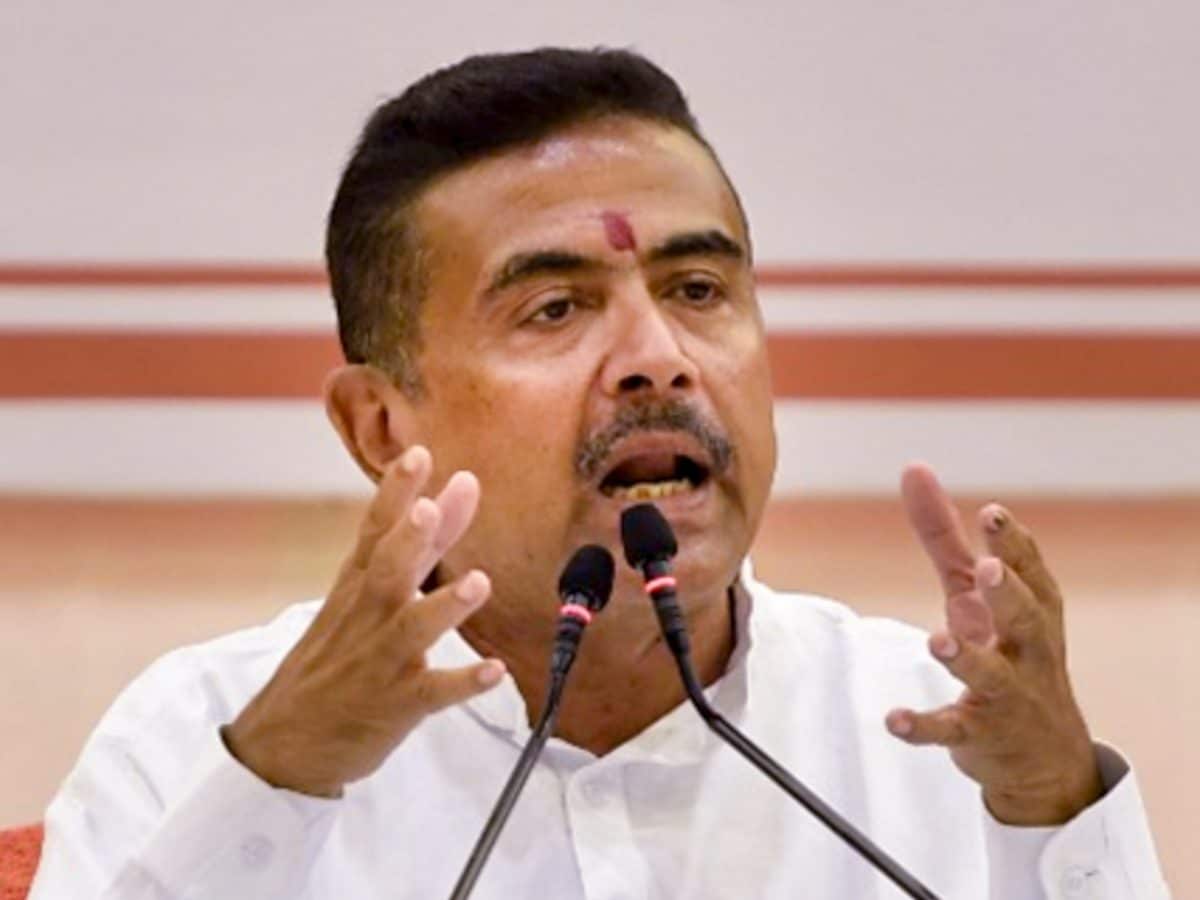
TMC’s Position: Protecting Diversity and Federal Principles
The ruling TMC has frequently criticized the push for a Uniform Civil Code, describing it as an issue that requires extensive consultation with states, minority groups, legal experts, and civil society organizations.
Party leaders argue that India’s strength lies in its diversity and that legal reforms affecting personal laws should emerge through consensus rather than unilateral action. The state government is likely to present the resolution as part of a broader effort to defend federal principles and protect the rights of various communities.
Officials have indicated that the assembly debate will provide an opportunity to place West Bengal’s position on record and communicate its concerns regarding the broader implications of implementing a nationwide UCC.
BJP’s Counterargument
The BJP, which has strongly advocated for the Uniform Civil Code at the national level, is expected to oppose the resolution. The party maintains that a UCC would ensure equal rights for all citizens and eliminate disparities arising from religion-based personal laws.
BJP leaders have frequently argued that legal equality should not vary across communities and that a uniform framework would strengthen constitutional values and gender justice. The party is likely to use the assembly debate to reiterate its position and challenge the TMC’s objections.
Regarding the anti-social activities bill, BJP legislators may seek clarification on the scope of the proposed law and question whether sufficient checks and balances are included to prevent political misuse.
Assembly Session Expected to Witness Heated Exchanges
Political observers anticipate intense debates once both proposals are formally introduced. The assembly session is expected to become a major battleground for competing narratives on governance, public security, constitutional rights, and the future direction of legal reforms in India.
The anti-social activities bill touches upon concerns related to law enforcement and public safety, while the Uniform Civil Code resolution addresses broader questions of identity, secularism, equality, and federalism. Together, the two measures are likely to generate significant political attention both within West Bengal and across the country.
As the legislative session approaches, all eyes will be on the state assembly, where the ruling TMC and opposition BJP are expected to engage in a high-stakes debate over issues that extend far beyond state politics and resonate with national policy discussions.
Conclusion
The West Bengal government’s decision to introduce an anti-social activities bill and a resolution opposing the Uniform Civil Code reflects its broader political and governance agenda. While the state administration presents the initiatives as necessary measures to safeguard public order and protect constitutional diversity, the opposition is expected to challenge both proposals vigorously. The upcoming assembly session is therefore poised to become a significant political event, highlighting the ongoing ideological contest between the TMC and the BJP over governance, law, and the future of India’s social and constitutional framework.