
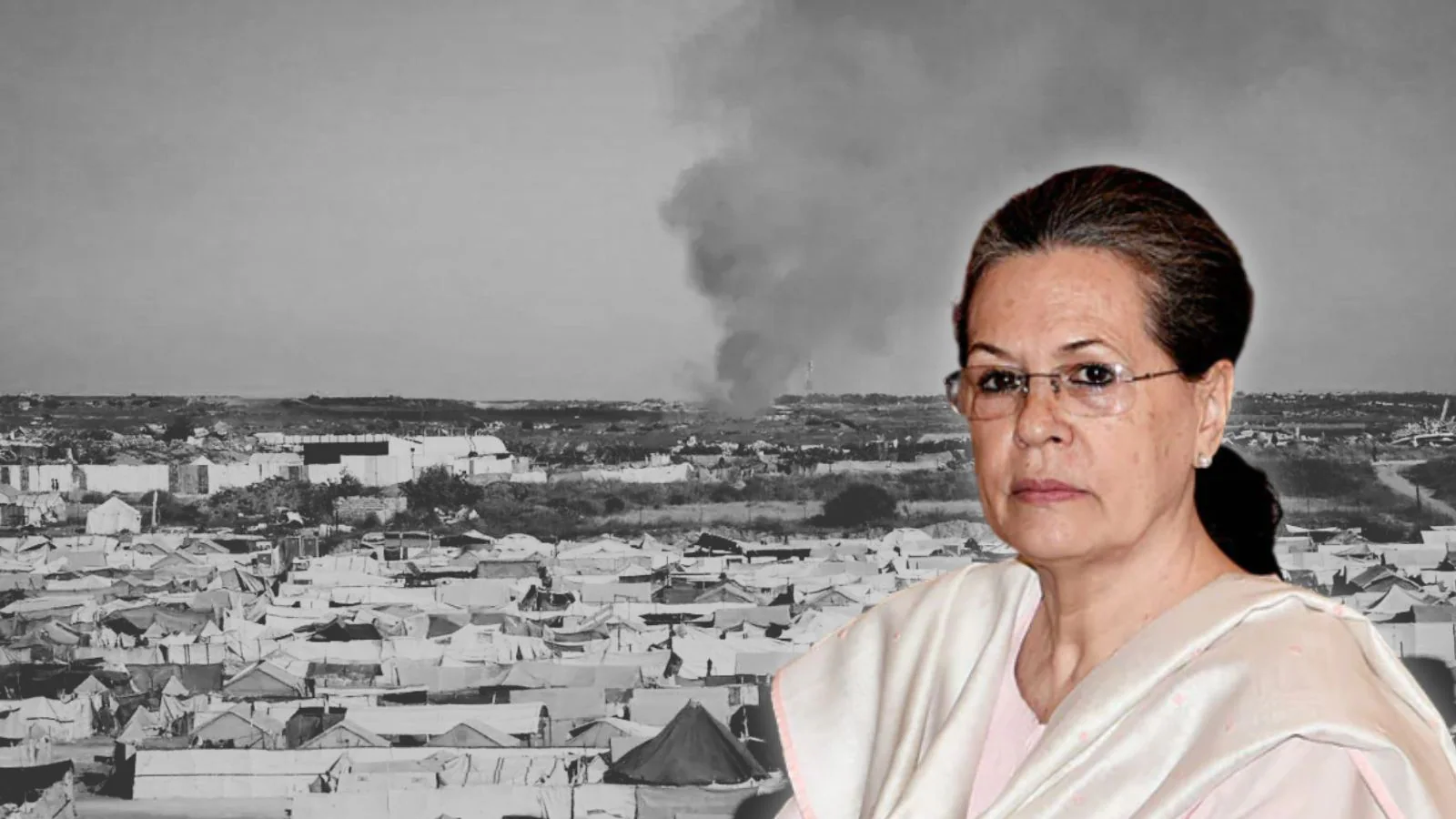
Senior Congress leader Sonia Gandhi has launched a strong critique of the Union government’s approach toward the ongoing conflict in Gaza, arguing that India’s response to the humanitarian crisis has departed from the country’s long-standing diplomatic traditions and moral commitments.
In a sharply worded opinion piece, Gandhi expressed concern over what she described as India’s muted reaction to the suffering of civilians in Gaza. She contended that the government’s position has raised questions both domestically and internationally regarding India’s historic role as a supporter of justice, peace, and the rights of oppressed populations.
Her remarks come amid continuing global debate over the conflict in the Middle East, where military operations, civilian casualties, and worsening humanitarian conditions have intensified calls for international intervention and diplomatic engagement.
Criticism of India’s Silence
Gandhi argued that India’s limited public criticism of developments in Gaza cannot be easily justified, particularly given the scale of civilian suffering reported during the conflict. She maintained that India has traditionally advocated peaceful resolution of disputes, respect for international law, and protection of civilian populations during armed conflicts.
According to her, the government’s current position represents a noticeable departure from the foreign policy principles that have guided India for decades. She suggested that India’s historical support for the Palestinian cause and commitment to a balanced Middle East policy have been weakened in recent years.
The Congress leader emphasized that India has long enjoyed credibility among developing nations because of its independent diplomatic stance and its support for anti-colonial movements and humanitarian causes. She argued that maintaining silence during a major humanitarian crisis risks undermining that reputation. 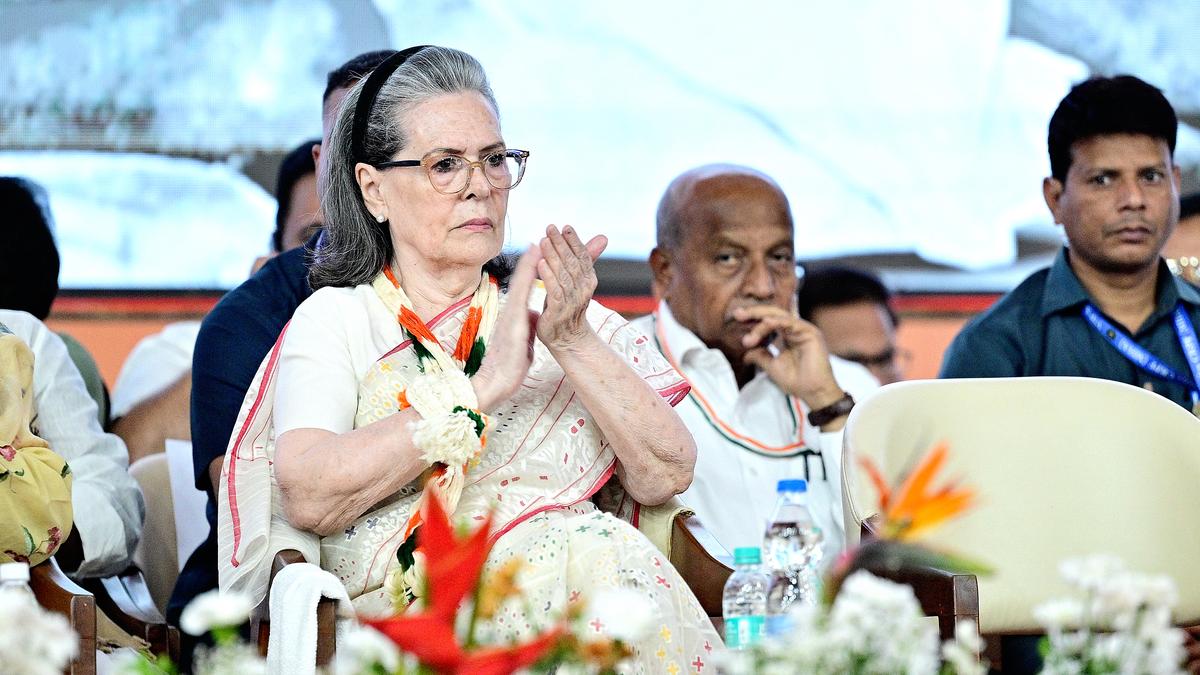
Concerns Over Humanitarian Impact
A significant portion of Gandhi’s criticism focused on the humanitarian consequences of the conflict. She highlighted the widespread destruction, displacement of civilians, and growing concerns about access to food, healthcare, and essential services in Gaza.
She stated that India, as one of the world’s largest democracies and an influential voice in global affairs, should demonstrate greater concern for humanitarian issues regardless of geopolitical considerations. In her view, moral responsibility and humanitarian values should remain central to foreign policy decisions.
Gandhi stressed that expressing concern for civilian lives does not require choosing sides in a conflict. Instead, she argued that nations can support humanitarian principles while continuing diplomatic engagement with all parties involved.
Debate Over India’s Foreign Policy Direction
The remarks have reignited debate over the evolution of India’s foreign policy under the current government. Supporters of the administration argue that India has sought to balance its strategic relationships in the Middle East while safeguarding national interests.
Over the past decade, India has significantly expanded cooperation with Israel in areas such as defense, technology, agriculture, and innovation. At the same time, New Delhi has continued diplomatic engagement with Palestinian authorities and has reiterated support for a negotiated two-state solution.
Critics, however, contend that the balance that traditionally characterized India’s Middle East policy has shifted. Gandhi’s comments reflect broader concerns within opposition circles that India should more actively voice humanitarian concerns and reaffirm its commitment to international norms. 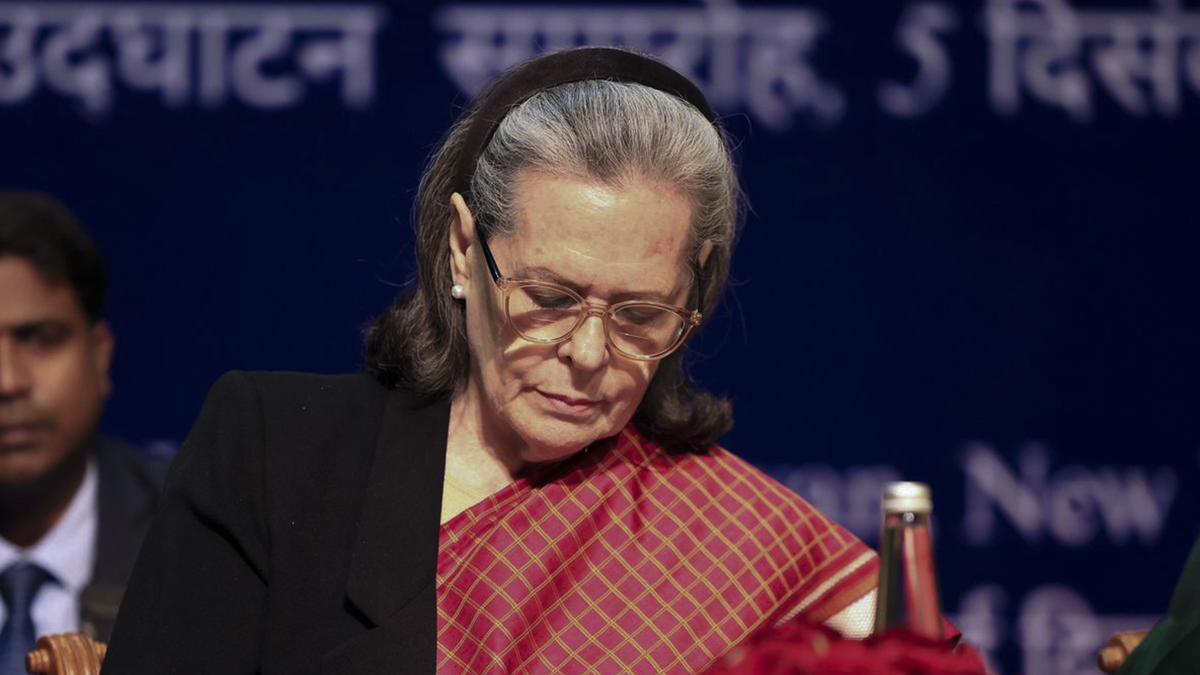
Historical Context of India’s Position
India has historically supported Palestinian aspirations while also maintaining diplomatic relations with Israel. For decades, successive governments sought to balance these relationships through a policy that emphasized dialogue, peaceful coexistence, and respect for international law.
The country’s foreign policy framework was shaped by principles of non-alignment, strategic autonomy, and support for anti-colonial struggles. These positions often earned India recognition among developing nations and countries in the Global South.
Gandhi suggested that preserving this legacy remains important in an increasingly polarized international environment. She argued that India’s global standing is strengthened when it consistently upholds humanitarian values and speaks out against civilian suffering.
Political Reactions and Broader Implications
The opinion piece is expected to intensify political discussion over India’s role in international crises and the balance between strategic interests and humanitarian concerns. While government supporters may view current policies as pragmatic and aligned with national priorities, opposition leaders are likely to continue pressing for a more vocal stance on humanitarian issues.
The debate also reflects larger questions about how emerging global powers should respond to international conflicts. As India’s influence on the world stage continues to grow, expectations regarding its diplomatic positions and moral leadership have also increased.
Gandhi’s intervention places renewed focus on whether India should adopt a more outspoken role in addressing humanitarian crises and advocating peaceful conflict resolution. The discussion is likely to remain significant as developments in Gaza continue to draw international attention and diplomatic scrutiny.
Conclusion
Sonia Gandhi’s comments have added a new dimension to the national conversation on foreign policy and humanitarian responsibility. By questioning India’s response to the Gaza conflict, she has challenged the government to explain its approach and defend its diplomatic choices. The debate highlights the continuing tension between strategic interests, international partnerships, and the ethical considerations that often shape a nation’s global identity.