
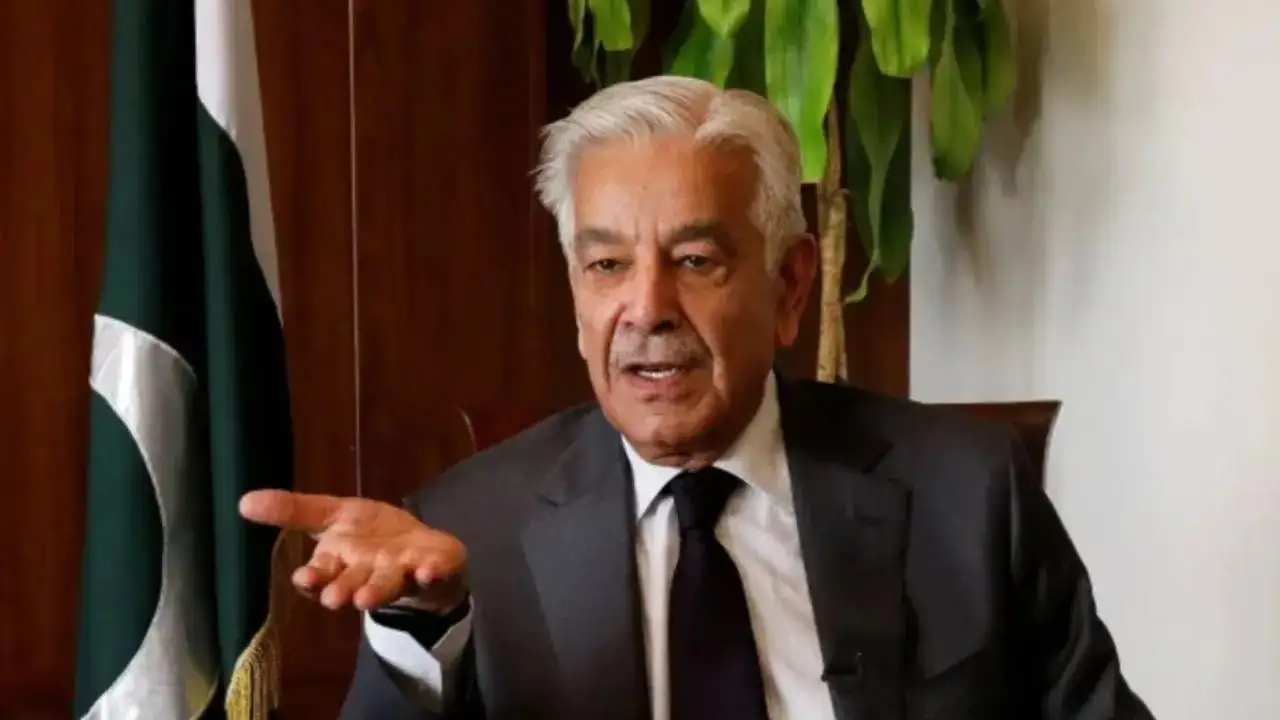
A fresh political controversy has erupted in Pakistan after the Prime Minister of Pakistan-occupied Kashmir (PoK) publicly criticized Defence Minister Khawaja Asif for remarks suggesting that residents of the region are “not proper Kashmiris.” The statement has triggered strong reactions across political circles, reigniting debates about identity, representation, and the relationship between Islamabad and the territory it administers.
The dispute began after Khawaja Asif reportedly made comments questioning the authenticity of the Kashmiri identity of people living in Pakistan-administered Kashmir. His remarks quickly drew criticism from regional leaders, who viewed the statement as dismissive and disrespectful toward the people of the territory.
Responding sharply, the PoK Prime Minister rejected the characterization and accused the defence minister of undermining the identity and dignity of millions of residents. In a strongly worded reaction, he stated that the people of the region do not require validation from political leaders in Islamabad regarding their heritage, culture, or identity.
Strong Rebuttal from Regional Leadership
The PoK Prime Minister emphasized that the people of the territory have maintained their distinct historical, cultural, and political identity for generations. He argued that attempts to define who qualifies as a “proper Kashmiri” are both divisive and insensitive.
According to his response, identity cannot be determined by political rhetoric or personal opinion. He maintained that the people of the region have consistently demonstrated their connection to Kashmir through their traditions, language, and shared history.
The remarks also reflected broader frustrations among regional leaders who have occasionally accused Pakistan’s federal establishment of failing to adequately recognize local perspectives and aspirations. 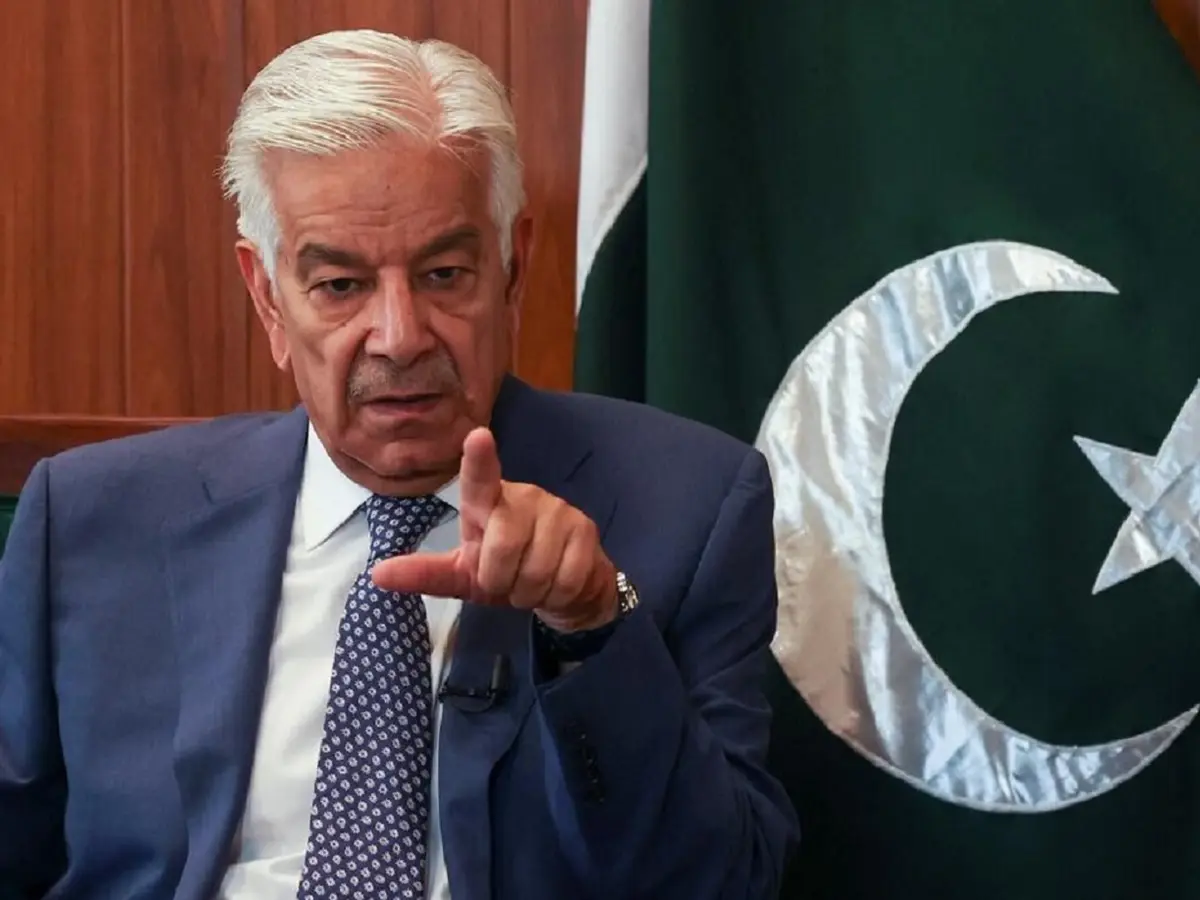
Political Fallout and Public Reaction
The controversy quickly gained traction on social media and in political discussions, with many users expressing support for the PoK Prime Minister’s stance. Critics of Khawaja Asif argued that his comments risk alienating communities that have long identified themselves as part of the broader Kashmiri population.
Political observers noted that identity-related statements often carry significant sensitivity in the Kashmir region, where historical narratives, territorial claims, and questions of representation remain deeply contested.
Supporters of the PoK leadership contended that any attempt to classify residents into categories of “real” or “not real” Kashmiris could deepen divisions and create unnecessary tensions. Others called for greater respect and inclusivity in public discourse surrounding the region.
Broader Implications
The exchange has highlighted underlying tensions between regional authorities and Pakistan’s central government. Analysts suggest that the dispute is not merely about a single remark but reflects larger concerns regarding political autonomy, representation, and recognition within Pakistan-administered Kashmir.
Questions surrounding identity have long played a central role in the politics of the Kashmir region. Statements from senior officials are therefore closely scrutinized, particularly when they touch upon issues of ethnicity, heritage, or belonging.
The latest controversy has also prompted renewed discussions about how leaders communicate on sensitive regional matters. Political commentators argue that public officials must exercise caution when addressing identity-related issues, given their potential impact on public sentiment and regional cohesion.
Calls for Responsible Political Discourse
As reactions continue to emerge, several political voices have called for restraint and constructive engagement. They argue that leaders should focus on addressing governance, development, and public welfare concerns rather than engaging in divisive rhetoric.
The PoK Prime Minister reiterated that the people of the region possess their own history and identity and do not require external approval to affirm who they are. His comments have resonated with many supporters who view the controversy as a matter of respect and recognition.
While it remains unclear whether Khawaja Asif will further clarify or defend his remarks, the episode has already sparked a wider conversation about identity politics and the relationship between Pakistan’s federal leadership and the region it administers.
The controversy serves as a reminder of the enduring sensitivity of Kashmir-related issues and the importance of careful political communication in a region where questions of identity remain closely tied to history, governance, and public sentiment.