

Tensions in the Middle East intensified sharply after Iran launched strikes against targets associated with the United States, marking a significant escalation in the ongoing confrontation between Tehran and Washington. The attacks were carried out in response to recent American airstrikes, which Iranian authorities described as a direct violation of their sovereignty and national security interests.
The retaliatory operation has heightened concerns among global leaders and security analysts, who fear that the exchange of military actions could trigger a broader regional conflict involving multiple countries and armed groups across the Middle East.
Retaliation Following U.S. Airstrikes
Iran’s military response came days after American forces conducted airstrikes against locations linked to Iranian military infrastructure and strategic assets. According to Iranian officials, the strikes caused damage to facilities considered important to the country’s defense capabilities and resulted in casualties among personnel.
In response, Iranian leadership vowed that the attacks would not go unanswered. Officials argued that any military action targeting Iranian interests would be met with a proportional response designed to deter future aggression.
The latest strikes were presented by Tehran as part of that promised retaliation. Iranian authorities maintained that the operation was carefully planned and aimed at demonstrating the country’s ability to respond to perceived threats while protecting its strategic interests.
Strategic Targets and Regional Implications
The targets reportedly included facilities and locations believed to have links to American military operations and logistical networks in the region. While detailed assessments of the damage remain limited, the attacks have attracted significant international attention because of their potential implications for regional security.
Military experts note that attacks on U.S.-associated assets can carry risks beyond immediate tactical outcomes. Such actions may affect military deployments, security arrangements, and diplomatic efforts already under strain due to years of tensions between Iran and the United States.
The developments also raise concerns about the safety of military personnel, civilians, and critical infrastructure located in areas where multiple regional and international actors maintain a presence. 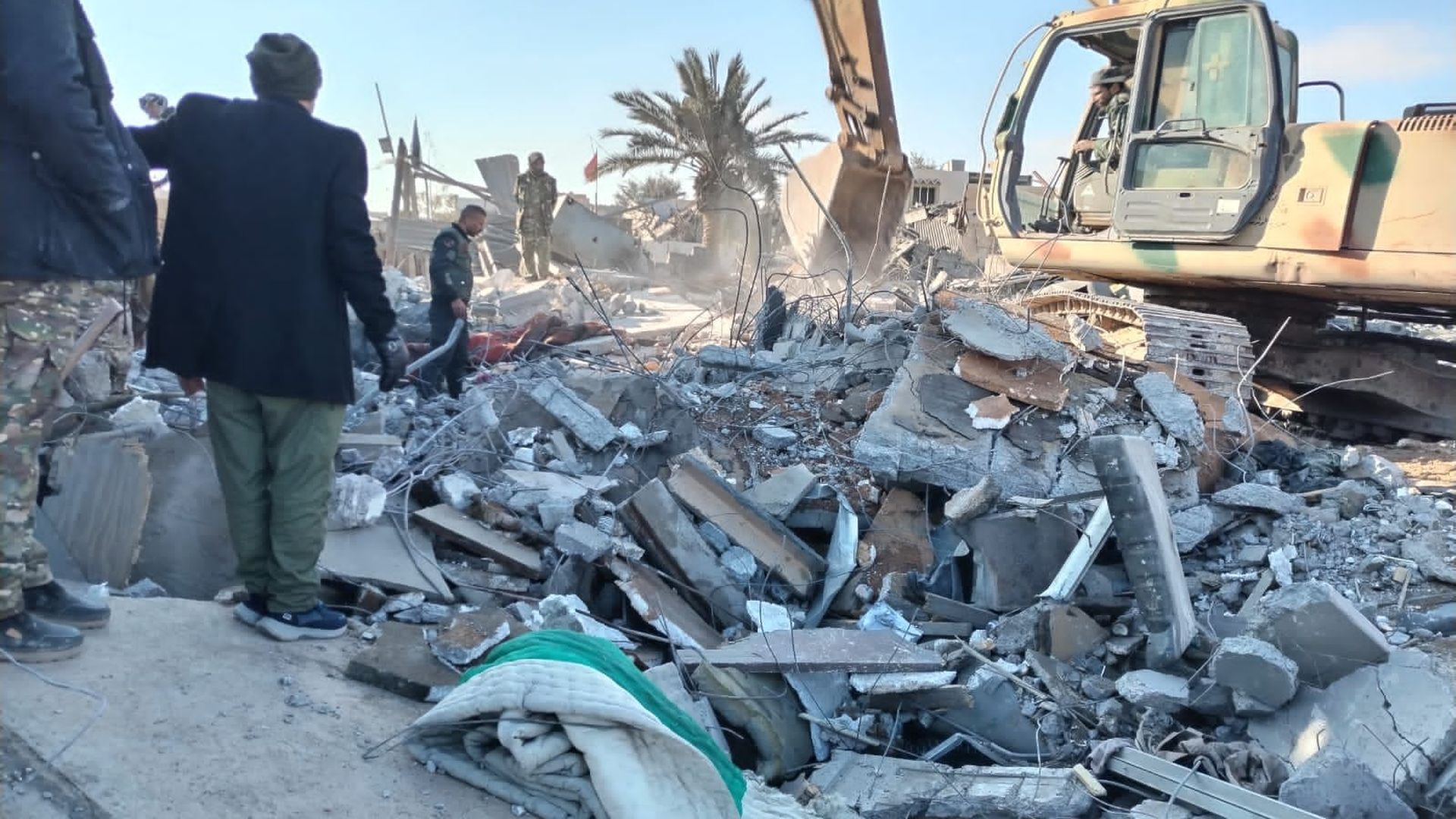
Growing Fear of a Wider Conflict
The exchange of strikes has renewed fears that the confrontation could evolve into a wider military crisis. Several countries in the region have already experienced instability linked to proxy conflicts, political rivalries, and competing strategic interests.
Security analysts warn that continued retaliation from either side could create a cycle of escalation that becomes increasingly difficult to contain. Such a scenario could draw additional actors into the conflict, potentially affecting energy markets, maritime trade routes, and broader international security.
The Middle East remains a region of significant geopolitical importance, and any prolonged military confrontation could have consequences far beyond the immediate battlefield.
International Calls for Restraint
Governments around the world have urged both sides to exercise restraint and avoid actions that could further inflame tensions. Diplomatic channels remain active as international organizations and regional partners seek to prevent a deterioration of the security situation.
Many countries have emphasized the need for dialogue and de-escalation, warning that military exchanges increase the risk of unintended consequences and miscalculations. Officials have stressed that diplomatic engagement remains the most effective path toward preventing a broader conflict.
The latest developments have also prompted discussions within international forums regarding regional stability, crisis management, and the protection of civilian populations in areas vulnerable to military operations.
Impact on Regional Stability
The confrontation comes at a time when several Middle Eastern nations are already dealing with security challenges, economic pressures, and ongoing political disputes. A sustained escalation between Iran and the United States could complicate efforts to address these issues and further destabilize an already fragile environment.
Observers point out that even limited military actions can have significant ripple effects, influencing investor confidence, energy supplies, shipping routes, and diplomatic relations. The possibility of additional retaliatory measures remains a key concern for policymakers and international markets alike.
Uncertain Path Ahead
As both sides assess the consequences of the latest attacks, uncertainty continues to surround the future direction of the crisis. While neither Iran nor the United States has indicated a willingness to abandon its strategic objectives, growing international pressure may encourage efforts to prevent further escalation.
For now, the situation remains highly volatile. The retaliatory strikes have underscored the fragile nature of regional security and highlighted the risks associated with military confrontations between major powers and their allies. The coming days are expected to be crucial in determining whether diplomatic efforts can reduce tensions or whether the conflict will move toward a more dangerous phase.