
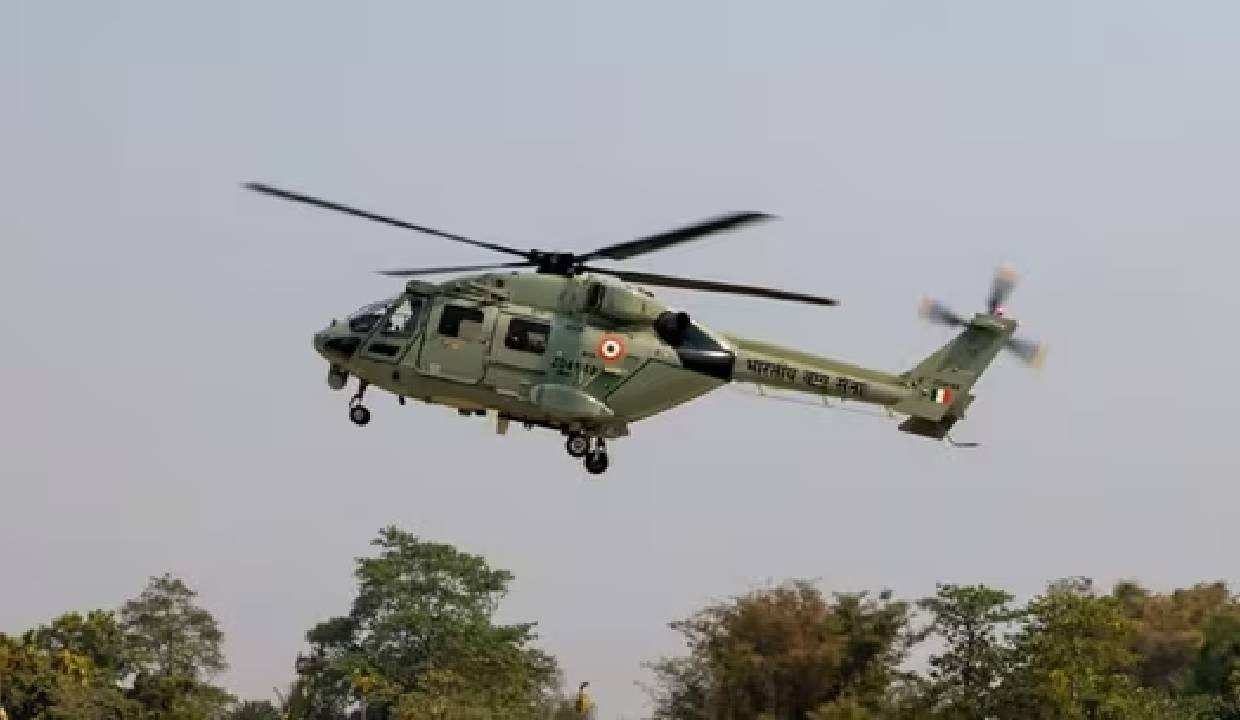
The Indian Army has continued operating its fleet of Cheetal helicopters in the challenging terrain of Ladakh even as authorities investigate a recent technical malfunction involving one of the aircraft. The decision reflects the strategic importance of the helicopter fleet in supporting military logistics, troop deployment, medical evacuations, and surveillance missions across some of the world’s most demanding high-altitude environments.
Military officials have emphasized that while the investigation into the technical issue remains underway, operational requirements in the region necessitate the continued use of the helicopters. Ladakh’s rugged mountains, extreme weather conditions, and limited road connectivity make rotary-wing aircraft indispensable for maintaining military readiness along sensitive frontier areas.
Critical Role in High-Altitude Operations
The Cheetal helicopter has long been regarded as one of the few aircraft capable of operating effectively in the rarefied atmosphere of the Himalayas. Designed specifically for high-altitude missions, the helicopter plays a crucial role in transporting personnel, equipment, and essential supplies to remote military outposts that are otherwise inaccessible.
Military installations positioned at extreme elevations rely heavily on these helicopters for routine resupply operations. During emergencies, the aircraft are also used for casualty evacuation, disaster response, and rapid movement of troops across difficult terrain.
The continued deployment of the Cheetal fleet highlights the operational challenges faced by the armed forces in Ladakh, where maintaining uninterrupted logistical support is critical to national security.
Investigation Into Technical Failure
The ongoing probe was initiated following a recent technical incident involving a Cheetal helicopter. Defence authorities have launched a detailed examination to determine the exact cause of the malfunction and identify any corrective measures that may be required.
Technical teams are reviewing maintenance records, flight data, operational procedures, and engineering assessments as part of the investigation. Such inquiries are standard practice in military aviation and are intended to enhance flight safety while minimizing future risks.
Officials have indicated that the investigation remains focused on gathering comprehensive evidence before drawing conclusions regarding the nature of the failure. 
Safety Measures and Operational Monitoring
Despite the ongoing inquiry, military aviation experts have reportedly assessed that the broader fleet can continue flying under enhanced monitoring and safety protocols. Aircraft undergoing regular maintenance inspections and meeting operational standards remain available for deployment.
Defence authorities are believed to have intensified technical oversight of the fleet while ensuring that mission-critical requirements are not compromised. Additional inspections and precautionary checks may be conducted to ensure continued airworthiness throughout the investigation period.
Military aviation procedures typically allow operations to continue when preliminary assessments indicate that broader fleet-wide safety concerns have not been established.
Strategic Importance of Ladakh
Ladakh remains one of India’s most strategically significant regions due to its proximity to international borders and its challenging geographic conditions. Maintaining year-round access to forward military positions requires extensive aerial support.
Helicopters often serve as the only reliable means of transportation during periods when snow, landslides, or harsh weather conditions disrupt ground routes. As a result, aviation assets such as the Cheetal play a vital role in sustaining military presence and operational preparedness in the region.
The aircraft’s ability to perform in extreme altitudes has made it a valuable component of India’s defence infrastructure for decades.
Balancing Operational Needs and Aviation Safety
The ongoing situation underscores the delicate balance between operational necessity and aviation safety within military environments. While safety investigations are conducted with utmost seriousness, military planners must also ensure that essential missions continue uninterrupted, particularly in strategically sensitive areas.
Defence experts note that aviation investigations often lead to procedural improvements, technical upgrades, and enhanced maintenance practices that strengthen long-term operational reliability.
As investigators continue examining the recent technical failure, the Indian Army remains focused on maintaining critical helicopter services across Ladakh while adhering to established safety protocols and operational standards.
The outcome of the probe is expected to provide valuable insights into the incident and may contribute to future enhancements in military aviation safety and fleet management.