
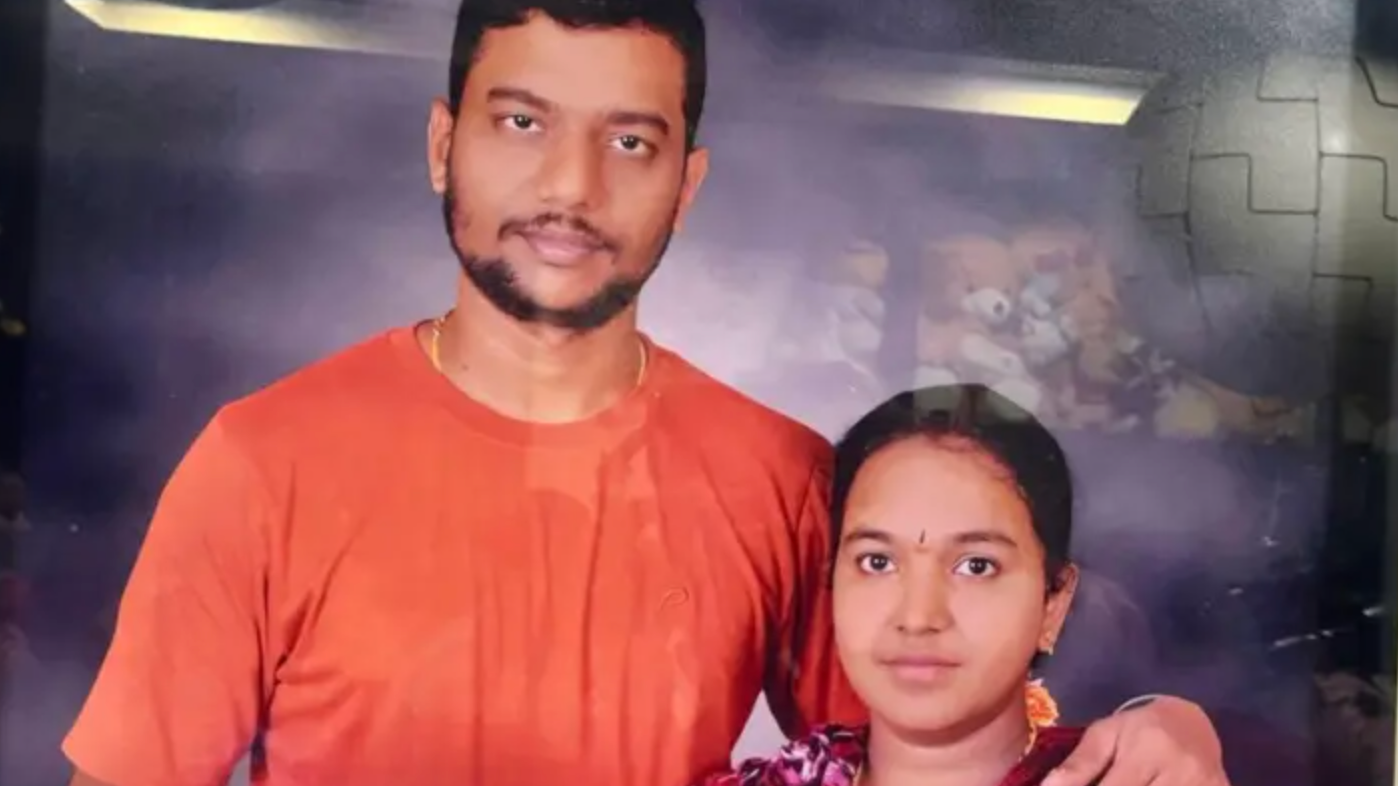
The family of an Indian sailor who lost his life in a recent U.S. military strike has called for justice and accountability, describing the tragedy as an irreparable loss that has shattered their future. Grieving relatives said the deceased was the sole breadwinner of the family and their “one and only hope,” leaving them devastated and struggling to come to terms with the sudden loss.
The incident has brought renewed attention to the risks faced by commercial seafarers operating in conflict-prone regions, where geopolitical tensions increasingly threaten civilian shipping and the lives of crew members working far from home.
Family Left Devastated
Speaking after receiving confirmation of the sailor’s death, family members expressed deep anguish over the tragedy. They said the deceased had dedicated his life to supporting his loved ones and had taken up employment at sea to provide financial stability for the household.
Relatives described him as a hardworking and responsible individual who carried the burden of the family’s future on his shoulders. His death, they said, has left an emotional void that can never be filled while also creating serious financial uncertainty.
“We have lost our only hope,” family members reportedly said, urging authorities to ensure that those responsible are held accountable and that the circumstances surrounding the strike are thoroughly investigated.
Demand for Justice and Clarity
The bereaved family has appealed to the Indian government and international authorities for a transparent inquiry into the incident. They are seeking clear answers about how a civilian vessel carrying merchant sailors became caught in a military operation and why innocent crew members were exposed to such danger.
The demand for justice extends beyond compensation, family members said, emphasizing the need for accountability and measures that prevent similar tragedies in the future.
Legal and diplomatic experts note that incidents involving civilian casualties during military operations often raise complex questions regarding responsibility, rules of engagement, and the protection of non-combatants in conflict zones. 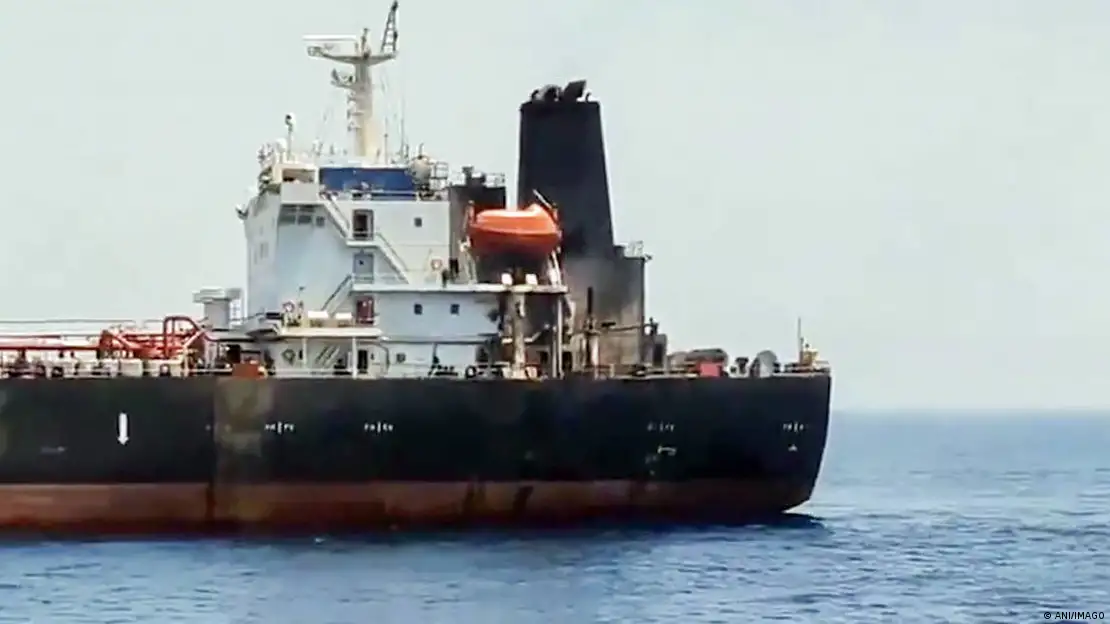
Growing Risks for Merchant Sailors
The death has once again highlighted the dangers faced by merchant navy personnel who operate in strategically sensitive maritime corridors. Commercial vessels frequently pass through regions affected by armed conflicts, political instability, and military activity.
While merchant sailors are not participants in conflicts, they often find themselves exposed to significant risks due to the routes they are required to navigate. Industry observers have repeatedly warned that escalating tensions in several parts of the world have increased the vulnerability of civilian shipping crews.
Shipping companies and maritime organizations have been urging governments and international bodies to strengthen protections for seafarers and improve communication mechanisms during military operations to reduce the risk of accidental casualties.
Calls for Government Support
The tragedy has also sparked calls for stronger support systems for families of Indian seafarers working abroad. Maritime workers contribute significantly to global trade and often spend months away from home under demanding conditions.
Experts argue that when such incidents occur, affected families require immediate assistance, including financial aid, legal support, counseling services, and diplomatic intervention.
The sailor’s family has appealed for government assistance as they navigate both the emotional and economic consequences of the loss. Community members and well-wishers have also expressed solidarity, urging authorities to provide all possible support.
Broader Humanitarian Concerns
Beyond the personal tragedy, the incident underscores the broader humanitarian consequences of military actions in volatile regions. Civilian workers, including sailors, transport crews, and aid personnel, often become unintended victims of conflicts despite having no direct involvement in hostilities.
Human rights advocates have emphasized the importance of safeguarding civilian lives and ensuring that military operations are conducted with maximum precautions to avoid harm to non-combatants.
The death of the Indian sailor has therefore become more than a family tragedy—it has emerged as a reminder of the human cost of conflicts that extend far beyond battlefields.
A Family Seeking Answers
As relatives mourn the loss of their loved one, their primary demand remains simple: justice, transparency, and accountability. They say no investigation or compensation can bring back the family member they lost, but establishing responsibility is essential to prevent similar incidents from claiming more innocent lives.
For the grieving family, the sailor represented not only a son and a loved one but also the promise of a better future. His death has left behind unanswered questions, profound sorrow, and a determination to seek justice in his memory.