
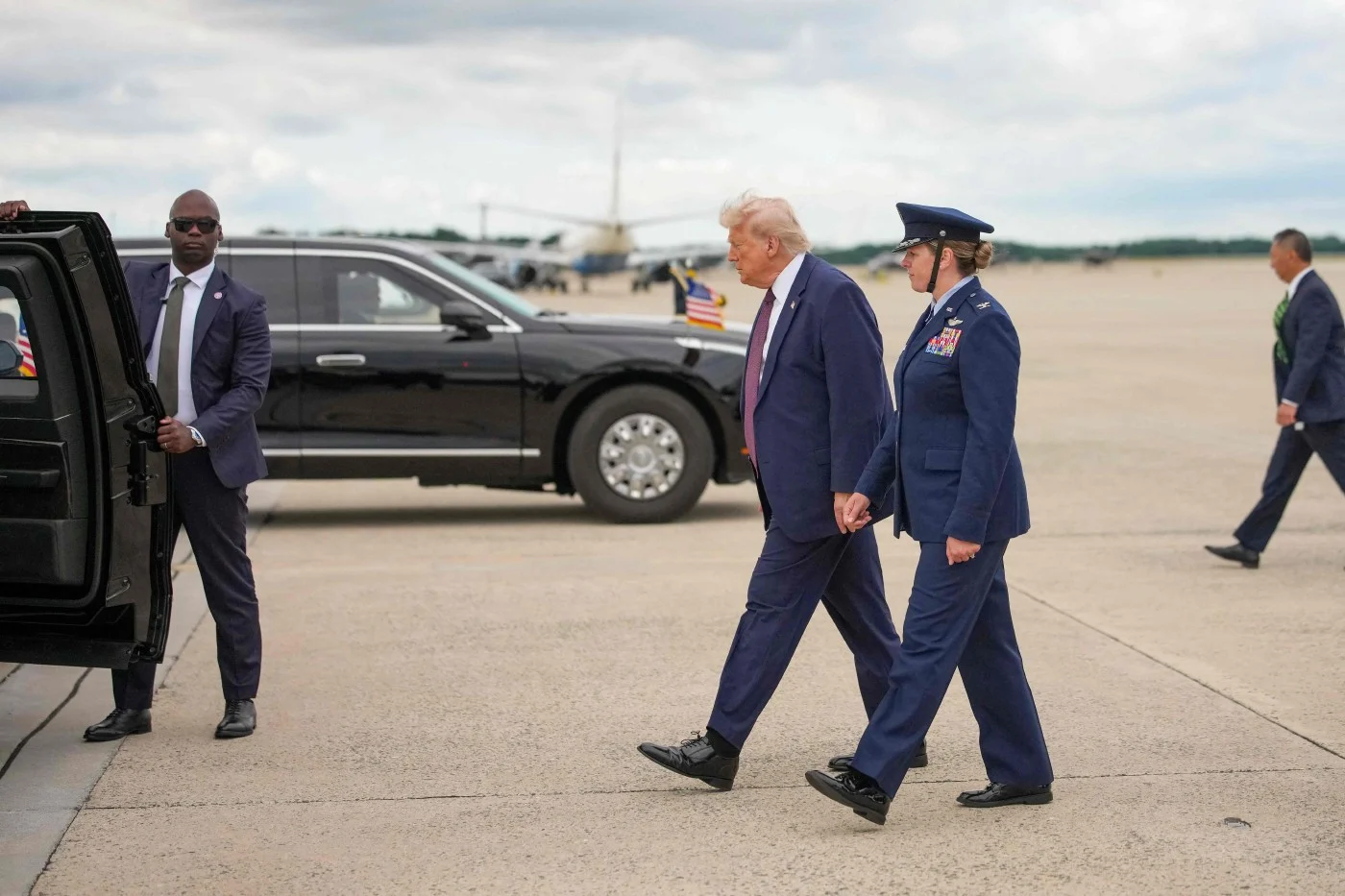
The United States Senate has voted against a proposal aimed at restricting President Donald Trump’s authority to undertake military action against Iran without explicit approval from Congress, highlighting sharp divisions between Republicans and Democrats over executive war powers and America’s role in escalating tensions across West Asia.
The vote came amid growing concerns among lawmakers about the possibility of a broader regional conflict involving Iran and its allies. The proposed measure sought to reaffirm Congress’s constitutional authority over declarations of war and military engagement, requiring the president to secure congressional authorization before initiating significant military operations against Tehran, except in cases of immediate self-defense.
Partisan Divide Shapes Senate Vote
The resolution faced strong opposition from Republican senators, most of whom argued that limiting presidential flexibility during a period of heightened geopolitical uncertainty could weaken America’s ability to respond swiftly to threats.
Supporters of the measure, largely Democrats along with a handful of lawmakers from across the political spectrum, contended that military decisions carrying the potential for long-term conflict should not rest solely with the executive branch. They argued that Congress must play a central role in determining whether the nation enters another military confrontation in the Middle East.
Despite those arguments, the resolution failed to secure sufficient support, effectively preserving the president’s existing authority under current legal frameworks governing military operations.
Concerns Over Escalating Regional Tensions
The Senate debate unfolded against the backdrop of increasing tensions between the United States and Iran. Lawmakers from both parties acknowledged the seriousness of the security situation but differed sharply on how military decisions should be managed.
Critics of the administration warned that any direct military engagement with Iran could trigger wider instability across the region, potentially drawing in multiple countries and armed groups. They stressed the need for congressional oversight before committing American forces to a conflict that could have significant diplomatic, economic, and security consequences.
Supporters of the president’s authority countered that the commander-in-chief must retain the ability to act decisively when national security interests are threatened. They argued that requiring prior congressional approval in every circumstance could delay responses during rapidly evolving crises. 
Constitutional Debate Over War Powers
The failed resolution reignited a longstanding debate in Washington over the balance of power between Congress and the presidency regarding military action.
Under the US Constitution, Congress holds the authority to declare war, while the president serves as commander-in-chief of the armed forces. Over the decades, presidents from both major political parties have exercised broad military powers without formal declarations of war, often citing national security concerns and existing legal authorizations.
Supporters of congressional oversight argue that this trend has gradually expanded executive power beyond what the Constitution originally intended. Opponents maintain that modern security challenges require presidents to have significant operational flexibility.
The latest Senate vote reflects how difficult it remains for lawmakers to reach consensus on redefining those boundaries, particularly during periods of international tension.
Political Implications for the Trump Administration
The outcome represents a political victory for President Trump, whose administration has maintained that strong executive authority is essential for protecting American interests abroad. The vote also signals continued Republican support for the administration’s approach to national security and foreign policy.
For Democrats, the result underscores ongoing concerns about unchecked presidential authority in matters of war and peace. Party leaders have repeatedly argued that Congress should exercise greater oversight over military engagements, especially when they involve the risk of prolonged conflict.
The debate is expected to continue as lawmakers monitor developments in West Asia and assess future US policy toward Iran. Any significant escalation in regional hostilities could prompt renewed efforts in Congress to revisit questions surrounding war powers and executive authority.
Broader Impact on US Foreign Policy
The Senate’s decision carries implications beyond the immediate question of relations with Iran. It reinforces the current framework under which presidents retain substantial discretion in responding to international crises and military threats.
Analysts note that the vote reflects broader disagreements within American politics over how the United States should project power overseas, manage regional conflicts, and balance national security concerns with constitutional safeguards.
As tensions in West Asia remain a major focus of international diplomacy, the debate over presidential war powers is likely to remain at the center of discussions about the future direction of US foreign policy.