
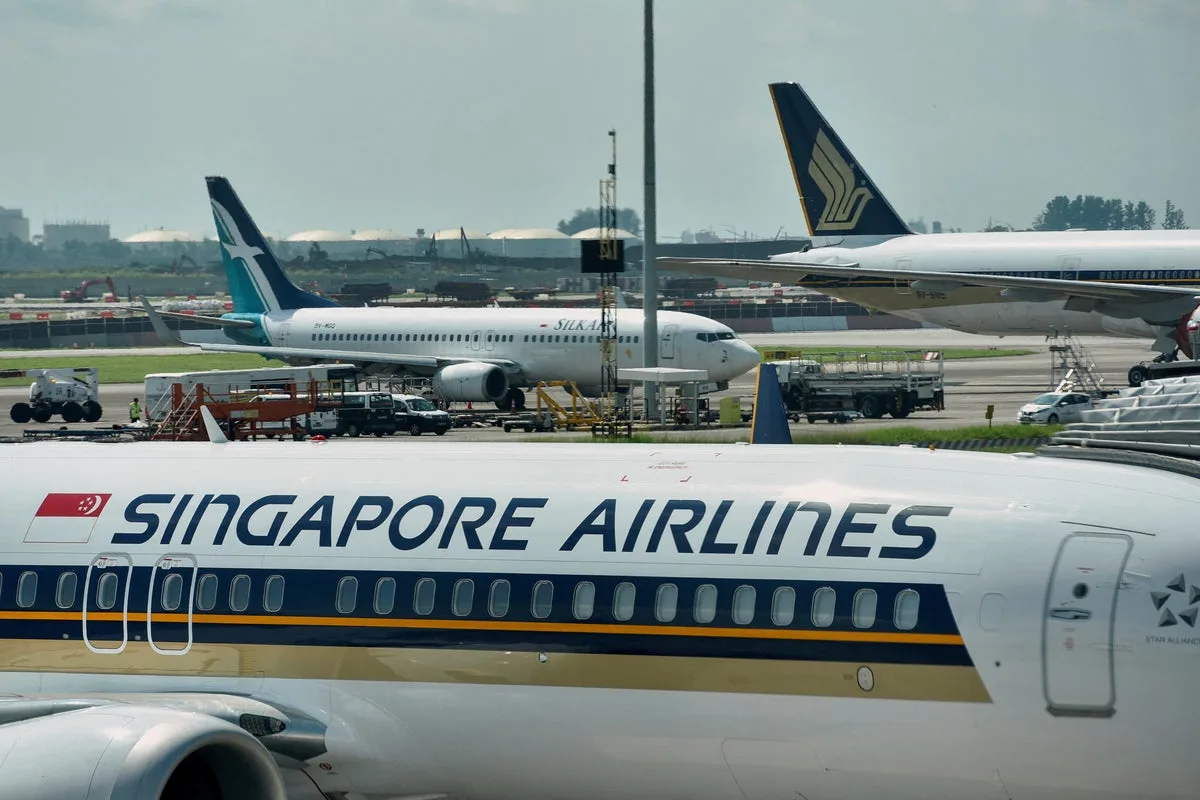
A Singapore court has sentenced an Indian national to jail after he admitted to harassing a female cabin crew member aboard a commercial flight, underscoring the country’s strict stance on misconduct that threatens the safety and well-being of airline staff and passengers.
The case drew significant attention due to the nature of the incident, which occurred during an international flight and involved inappropriate behavior directed at a member of the airline’s cabin crew. Authorities stated that the accused, identified as Akash Tiwari, was found guilty after pleading to charges related to the harassment of the flight attendant while the aircraft was in operation.
Incident Took Place During Flight
According to court proceedings, the incident unfolded during a scheduled flight when Tiwari allegedly engaged in conduct that made the cabin crew member uncomfortable and violated established standards of passenger behavior. The inappropriate actions reportedly occurred while the crew member was carrying out her professional duties onboard.
Investigators said the victim promptly reported the matter, allowing airline personnel and law enforcement authorities to document the incident and initiate legal proceedings. The response reflected aviation industry protocols designed to ensure crew members can perform their responsibilities in a safe and secure environment.
Swift Legal Action
Singapore authorities moved quickly after the complaint was lodged. Following an investigation, prosecutors brought charges against Tiwari, emphasizing that airline crew members are entitled to protection from harassment and intimidation while working.
During court hearings, the accused admitted to the offense. The court considered the circumstances surrounding the incident, including the impact on the victim and the importance of maintaining discipline and safety aboard aircraft.
After reviewing the evidence and hearing submissions from both sides, the court imposed a custodial sentence. Judicial authorities stressed that misconduct against airline staff is treated seriously because it can disrupt flight operations and compromise the working environment inside an aircraft. 
Strong Message on Passenger Conduct
The ruling sends a strong message regarding acceptable behavior during air travel. Aviation experts note that cabin crew members are responsible not only for passenger comfort but also for critical safety functions. Any conduct that distracts, intimidates, or harasses crew members can potentially affect their ability to respond to emergencies and manage onboard situations.
Airlines worldwide have increasingly adopted zero-tolerance policies toward disruptive passenger behavior. Cases involving harassment, physical intimidation, verbal abuse, or interference with crew duties often lead to criminal investigations and severe penalties.
Singapore’s Strict Enforcement
Singapore is known for its stringent legal framework and strict enforcement of laws governing public conduct and safety. Authorities have consistently maintained that offenses committed onboard aircraft, particularly those involving airline personnel, will be prosecuted vigorously.
Legal analysts say the sentence reflects the country’s commitment to safeguarding aviation workers and preserving order within its transportation systems. The decision also serves as a warning to travelers that misconduct in international airspace can carry serious legal consequences once an aircraft lands.
Growing Concern Over In-Flight Misconduct
The case comes amid broader global concerns about incidents involving unruly passengers. Airlines and aviation regulators have reported increased efforts to educate travelers about onboard etiquette and the legal ramifications of disruptive behavior.
Industry stakeholders argue that protecting flight attendants and other crew members is essential for maintaining operational safety and ensuring a secure travel experience for everyone onboard. Many carriers have strengthened reporting mechanisms and support systems for employees who experience harassment or abuse while performing their duties.
Conclusion
The sentencing of Akash Tiwari highlights the serious consequences that can result from inappropriate conduct toward airline staff. By imposing a jail term, Singapore’s judicial system reinforced the principle that harassment of cabin crew members is not merely a breach of etiquette but a criminal offense that can lead to significant punishment. The case serves as a reminder to travelers worldwide that respectful behavior remains a fundamental requirement of safe and responsible air travel.