
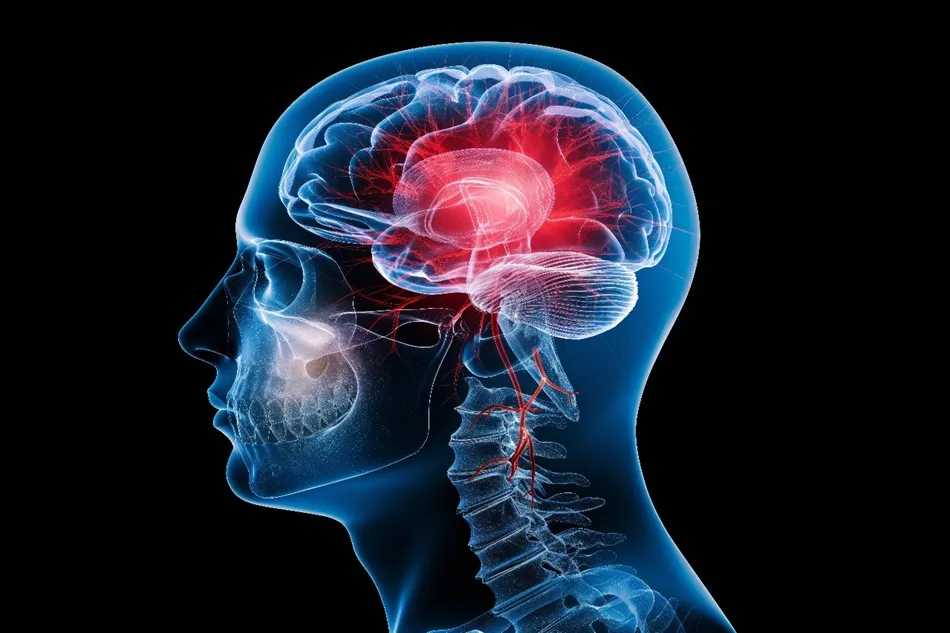
Brain tumours remain among the most serious neurological conditions, yet many of their early symptoms are frequently overlooked or misinterpreted as common health issues such as migraines, stress-related headaches, fatigue, or lifestyle-related discomfort. Medical experts are now emphasizing the importance of recognizing persistent warning signs and seeking timely evaluation, as early diagnosis can significantly influence treatment outcomes and quality of life.
According to an experienced neurosurgeon with more than three decades of clinical practice, one of the biggest challenges in brain tumour management is the delay in diagnosis caused by symptom overlap with far more common conditions. Patients often dismiss early indicators, believing they are experiencing routine headaches, workplace stress, sleep deprivation, or vision-related problems.
Why Brain Tumours Are Difficult to Identify Early
Brain tumours can develop gradually, producing symptoms that evolve over weeks or months. Because these signs are often subtle in the beginning, many individuals fail to connect them with a serious neurological disorder.
Headaches are among the most commonly reported symptoms. However, not every headache signals a brain tumour. The concern arises when headaches become increasingly frequent, more intense, or differ significantly from a person’s usual pattern. Persistent headaches that worsen over time, particularly when accompanied by other neurological symptoms, warrant medical attention.
The challenge for both patients and healthcare providers lies in distinguishing ordinary headaches from those that may indicate an underlying neurological problem. 
Symptoms Frequently Misread as Stress or Migraine
Medical specialists highlight several warning signs that should not be ignored, especially when they occur together or progressively worsen.
Persistent or Changing Headaches
A headache that gradually increases in severity, occurs more frequently, or becomes resistant to standard treatment may require further investigation. Morning headaches or headaches associated with nausea can also be important indicators.
Unexplained Nausea and Vomiting
Repeated episodes of nausea or vomiting without an obvious gastrointestinal cause may result from increased pressure within the skull. When these symptoms occur alongside headaches, they deserve prompt medical evaluation.
Vision Problems
Blurred vision, double vision, loss of peripheral vision, or other unexplained visual disturbances can sometimes signal pressure on areas of the brain responsible for visual processing. Many patients initially attribute such symptoms to eye strain or age-related changes.
Seizures
For individuals with no prior history of epilepsy, a sudden seizure can be one of the earliest signs of a brain tumour. Even a single unexplained seizure requires immediate medical assessment.
Memory and Cognitive Changes
Subtle changes in memory, concentration, decision-making ability, or overall mental sharpness are often mistaken for stress, anxiety, or burnout. However, persistent cognitive decline should never be ignored.
Personality and Behavioural Changes
Tumours affecting specific brain regions can alter mood, behaviour, and emotional responses. Family members are often the first to notice unusual personality shifts, irritability, confusion, or changes in social interaction.
Weakness and Coordination Problems
Difficulty maintaining balance, weakness in one side of the body, problems with coordination, or unexplained clumsiness may indicate that a tumour is affecting areas of the brain responsible for movement and motor control. 
The Importance of Early Medical Evaluation
Neurological experts stress that experiencing one of these symptoms does not automatically mean a person has a brain tumour. Most headaches and episodes of fatigue are linked to far less serious conditions. Nevertheless, persistent symptoms, worsening patterns, or combinations of neurological warning signs should prompt consultation with a healthcare professional.
Modern diagnostic tools, including advanced brain imaging techniques such as MRI and CT scans, have improved the ability to detect tumours at earlier stages. Early identification often allows doctors to develop more effective treatment strategies and can improve long-term outcomes.
Advances in Brain Tumour Treatment
Treatment options for brain tumours have evolved significantly over the years. Depending on the type, location, and size of the tumour, management may involve surgery, radiation therapy, chemotherapy, targeted therapies, or a combination of approaches.
Advances in neurosurgical techniques have enhanced precision while reducing risks associated with complex brain operations. Improved imaging technologies, minimally invasive procedures, and multidisciplinary treatment planning have also contributed to better patient care.
Raising Public Awareness
Healthcare professionals continue to emphasize the need for greater public awareness regarding neurological symptoms that may indicate a more serious condition. While stress, migraines, and lifestyle factors are common causes of headaches and fatigue, persistent or unusual symptoms should not be dismissed without proper evaluation.
Experts believe that encouraging individuals to seek medical advice when symptoms change or worsen can lead to earlier diagnosis, more timely treatment, and improved outcomes for patients facing brain tumours.
As awareness grows, specialists hope more people will recognize the difference between routine health complaints and potential neurological warning signs, ensuring that serious conditions are identified before they progress to advanced stages.