
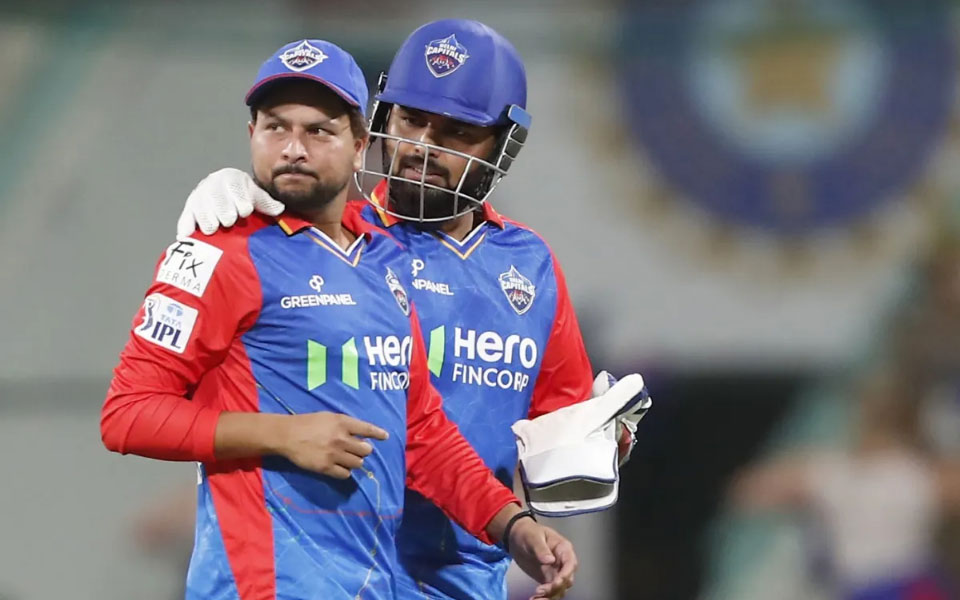
The possibility of a direct player exchange involving Rishabh Pant and Kuldeep Yadav has emerged as one of the most debated scenarios in Indian Premier League circles. While the financial disparity between the two players appears significant on paper, cricket analysts and franchise strategists believe such a move could still make strong sporting and tactical sense.
At first glance, the comparison seems uneven. Pant commands one of the highest contracts in the league, while Kuldeep’s salary is considerably lower. However, IPL franchises increasingly evaluate trades based on team requirements, leadership needs, squad balance, and long-term planning rather than solely on player salaries.
The Financial Difference That Sparks Debate
The most obvious talking point surrounding a potential trade is the gap between the players’ respective contracts. Pant is among the league’s premium assets, commanding a salary that reflects his status as a marquee Indian batter, wicketkeeper, and leader.
Kuldeep, despite being one of India’s most effective spin bowlers in recent years, operates within a much lower salary bracket. On paper, the exchange appears unequal because of the monetary values attached to both players.
However, IPL trades are rarely judged solely by financial metrics. Franchises often prioritize the value a player brings to a particular squad structure rather than comparing contract figures directly.
Why Teams Look Beyond Salary Numbers
Modern IPL management is driven by strategic roster construction. Teams seek players who address specific weaknesses rather than simply acquiring the most expensive talent available.
A franchise lacking a proven wicketkeeper-captain may view Pant as an irreplaceable asset. His aggressive batting style, leadership experience, and ability to influence games across multiple phases make him one of the most valuable Indian cricketers in the T20 format.
On the other hand, a team struggling to control the middle overs may place enormous value on a world-class wrist-spinner such as Kuldeep. His ability to take wickets consistently, break partnerships, and operate effectively against both right-handed and left-handed batters makes him a rare commodity.
As a result, the actual cricketing value of a player can sometimes outweigh the financial disparity attached to contracts. 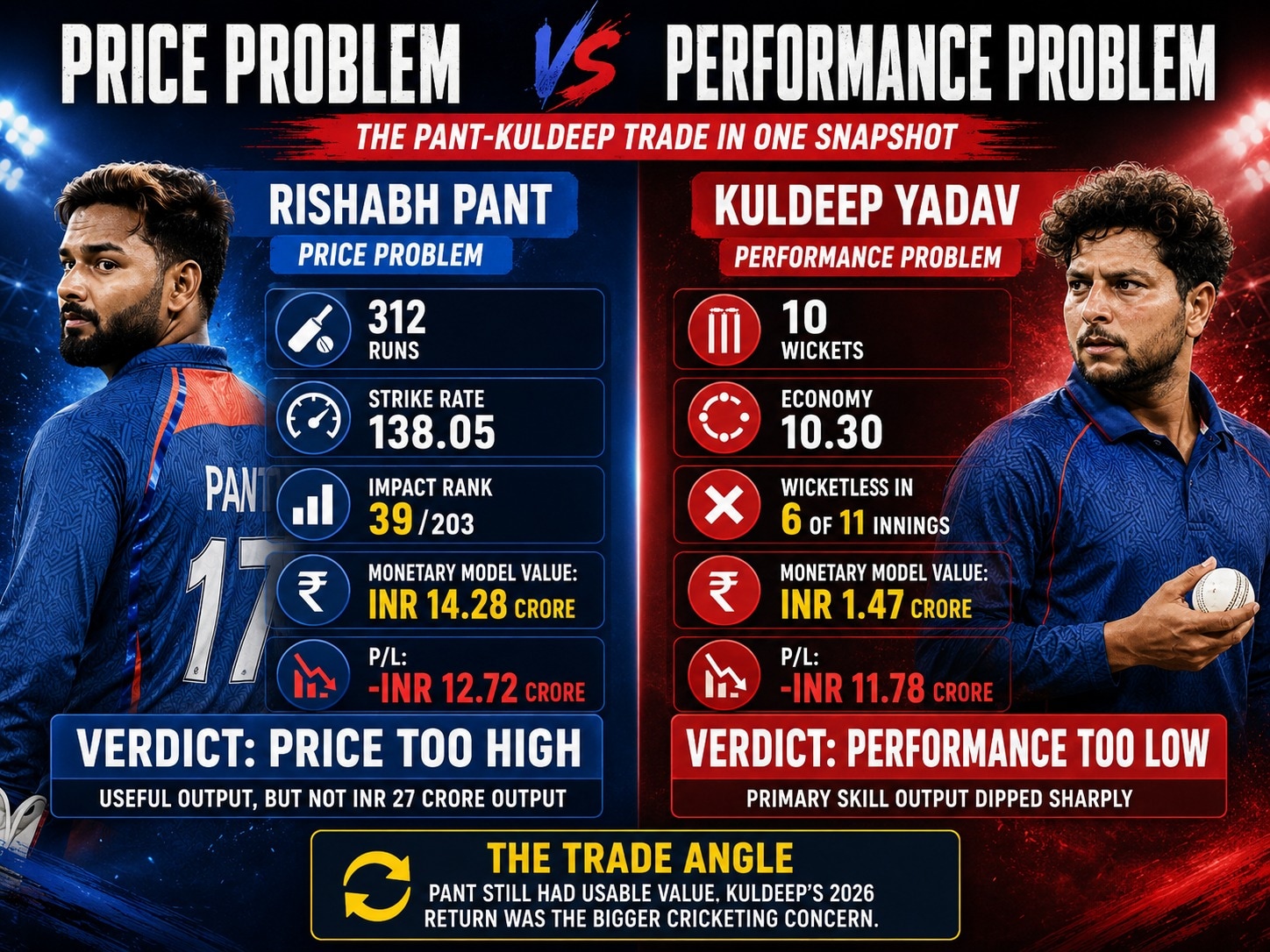
Pant’s Unique Value as a Franchise Player
Few Indian players offer the combination of skills that Pant brings. He is not only a destructive batter capable of changing games within a few overs but also an experienced wicketkeeper and captain.
His leadership credentials have grown substantially over recent seasons. Franchises seeking a long-term leader often find very few Indian players available who can simultaneously captain, keep wickets, and bat in crucial positions.
This versatility significantly increases his market value and explains why his salary remains among the highest in the competition.
Kuldeep’s Rising Importance in T20 Cricket
Kuldeep’s transformation over the past few years has elevated him into one of the most dependable spin bowlers in world cricket. Once considered a specialist option, he has evolved into a match-winner capable of thriving under pressure.
His wicket-taking ability in the middle overs provides teams with a weapon that can disrupt batting momentum. In a format increasingly dominated by power hitters, genuine wicket-taking spinners have become highly prized assets.
For franchises operating in spin-friendly conditions, Kuldeep’s impact can be enormous. His ability to influence matches regularly often exceeds what traditional statistics may indicate.
Why the Trade Could Benefit Both Franchises
The logic behind a potential Pant-Kuldeep exchange lies in addressing different team priorities.
A franchise acquiring Pant would gain:
- A proven Indian captain.
- A top-order or middle-order power batter.
- An experienced wicketkeeper.
- A marketable star capable of becoming the face of the franchise.
Meanwhile, a team receiving Kuldeep could benefit from:
- A premier Indian spin option.
- Greater bowling flexibility.
- Improved middle-over wicket-taking capabilities.
- Better squad balance and tactical depth.
If both teams believe the incoming player solves a critical weakness, the trade can be viewed as mutually beneficial despite the difference in salaries.
The IPL’s Evolving Trade Philosophy
The IPL has witnessed numerous examples where player value extended beyond auction price tags. Successful franchises increasingly focus on role-specific requirements, team chemistry, and long-term planning rather than simply accumulating high-priced stars.
A trade involving Pant and Kuldeep would reflect this evolving philosophy. It would demonstrate how franchises are willing to make bold decisions when they believe a player can transform a specific area of their squad.
In such scenarios, contract values become secondary to cricketing impact.
Looking Ahead
While any potential deal would undoubtedly generate intense discussion among fans and experts, the underlying rationale is clear. The exchange would not be about matching salaries rupee for rupee. Instead, it would be about matching team needs with player strengths.
Pant’s leadership, batting firepower, and wicketkeeping expertise make him one of the most influential figures in the IPL. Kuldeep’s wicket-taking brilliance and growing reputation as a premier spinner make him equally valuable in a different role.
That is why a trade that appears financially uneven could still represent a strategically sound decision for both franchises. In the modern IPL, success is often determined not by the size of a player’s contract but by how effectively he fits into a team’s larger vision and competitive goals.