

Acclaimed filmmaker Imtiaz Ali has ignited a fresh public debate on gender roles, personal freedom, and traditional practices after sharing his views on the burqa and parda system during a recent discussion. His remarks have drawn significant attention, with supporters and critics alike weighing in on the sensitive subject of women’s agency and patriarchal social structures.
Known for exploring complex human relationships and social themes through his films, Ali expressed concerns about how deeply ingrained cultural norms can influence individual choices. While discussing the practice of women wearing the burqa or observing parda, he questioned whether expressions of comfort with such customs always stem from genuine personal preference or whether they are shaped by generations of societal conditioning.
Questioning the Idea of “Comfort”
During the conversation, Ali addressed a commonly heard argument that many women willingly choose to wear the burqa and feel comfortable doing so. He suggested that the issue deserves deeper examination rather than being accepted at face value.
According to the filmmaker, social systems often become so deeply embedded in everyday life that individuals may not immediately recognize how those systems influence their perceptions and choices. He argued that when certain practices are normalized over generations, people may begin to view them as natural and comfortable even if those practices originated within unequal power structures.
Ali emphasized that comfort alone should not be the sole measure when evaluating traditions that have historically been associated with restrictions on women’s freedom and autonomy.
Linking Traditional Practices to Patriarchy
The director’s comments centered on the broader concept of patriarchy, a social system in which power and authority have traditionally been concentrated in male-dominated structures. He suggested that customs such as parda should be analyzed within this larger historical and cultural context.
Ali stated that even when women themselves defend or support such practices, it is important to ask whether those choices exist independently of long-standing societal expectations. He argued that patriarchal values can become internalized over time, making them appear voluntary despite being shaped by cultural pressures.
His remarks reflected a wider debate that has existed for decades among academics, activists, and social commentators regarding the intersection of religion, culture, tradition, and women’s rights. 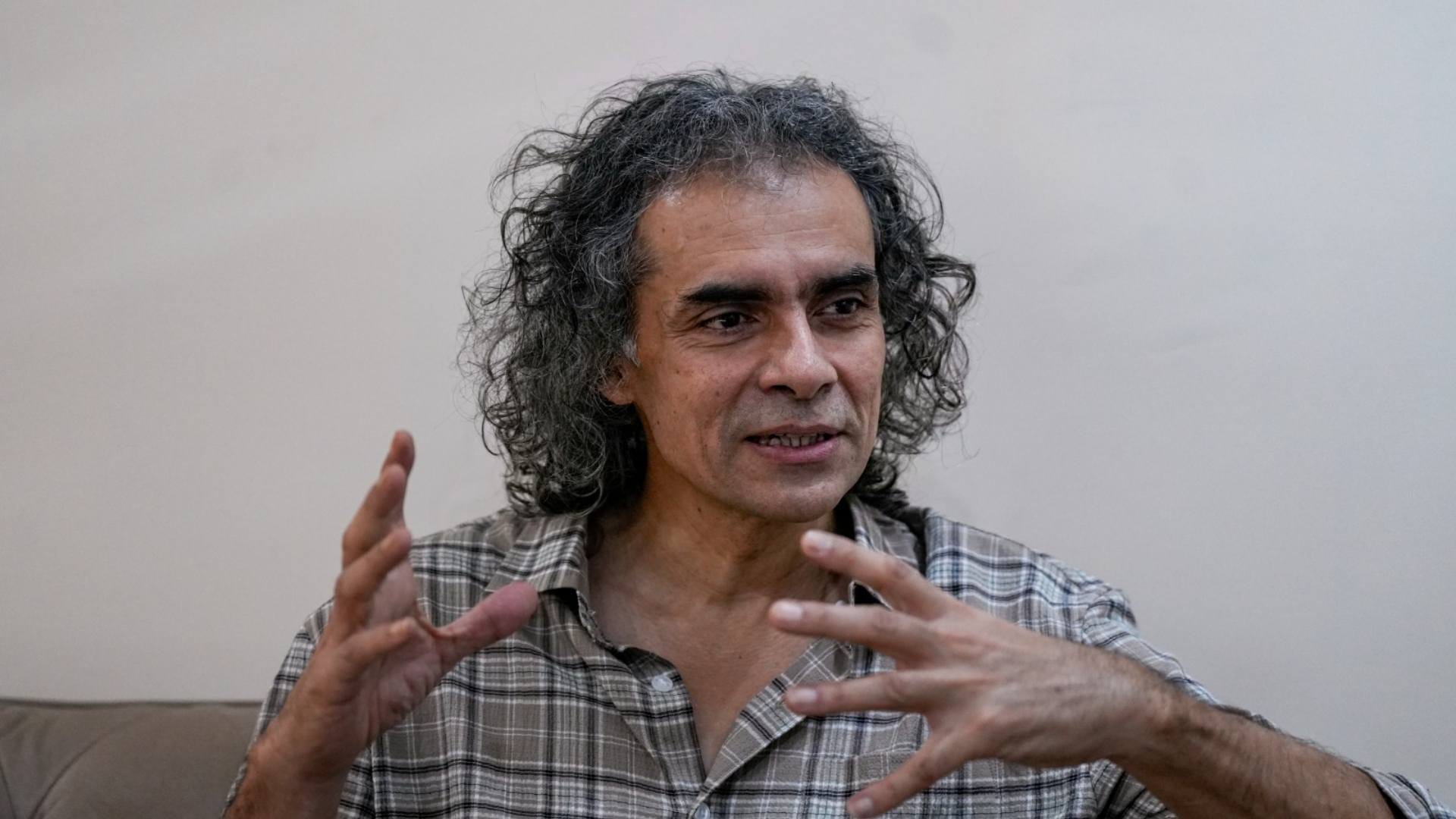
Balancing Personal Choice and Social Influence
At the heart of the discussion lies a complex question: where does personal choice end and social conditioning begin?
Many advocates of women’s autonomy maintain that individuals should have the right to decide how they dress and express their identity, whether that involves wearing a burqa, choosing Western clothing, or adopting any other style. They argue that true empowerment means respecting a woman’s ability to make her own decisions without external judgment.
Ali acknowledged the importance of individual choice but stressed that society must also remain willing to examine the historical origins of traditions and the power structures that sustain them. He suggested that genuine freedom requires an environment in which people can make decisions free from social pressure, expectations, or inherited norms.
Reactions Across Social and Cultural Circles
The filmmaker’s remarks have generated mixed reactions across social media and public discourse. Some commentators praised him for raising important questions about gender equality and the influence of patriarchal systems. They argued that challenging established customs is necessary for social progress and encourages meaningful conversations about women’s rights.
Others criticized his comments, arguing that they risk undermining the choices of women who consciously and willingly embrace traditional attire as part of their religious or cultural identity. Critics contended that assuming such choices are primarily products of patriarchy may overlook the diversity of women’s experiences and perspectives.
The differing responses highlight the sensitivity of discussions involving faith, culture, identity, and gender, particularly in a diverse society where traditions carry deep personal significance.
A Continuing Conversation on Gender and Society
Ali’s observations have once again brought attention to an ongoing global conversation about the relationship between tradition and modern values. Questions surrounding autonomy, social conditioning, and gender equality continue to be debated in many societies, often without easy or universally accepted answers.
As discussions evolve, the filmmaker’s comments have contributed to a broader examination of how cultural practices are understood and interpreted in contemporary times. Whether one agrees or disagrees with his perspective, the debate underscores the importance of engaging with complex social issues through open dialogue and critical reflection.
The controversy also serves as a reminder that conversations about women’s rights, personal freedom, and cultural traditions remain central to ongoing efforts to balance respect for heritage with the pursuit of equality and individual choice.