

Authorities in the United Kingdom have launched a comprehensive investigation following a fatal train collision near Bedford, an incident that has renewed concerns over railway safety and operational oversight. The crash, which reportedly involved two trains occupying the same section of track, resulted in casualties and prompted an immediate emergency response from rescue teams and railway officials.
The accident has drawn national attention due to the severity of the incident and the questions it raises about signaling systems, communication protocols, and railway management procedures. Investigators are now working to determine how two trains came to be on the same track at the same time, leading to a devastating collision.
Emergency Services Rush to Scene
Emergency crews, including firefighters, paramedics, police personnel, and railway response teams, were quickly dispatched to the crash site after reports of the collision emerged. Rescue workers worked under challenging conditions to reach passengers, assess injuries, and secure the area.
Several individuals were affected by the accident, with authorities confirming fatalities and injuries. Medical teams provided immediate treatment to survivors before transporting the injured to nearby healthcare facilities. The focus of rescue efforts was to ensure that all passengers and crew members were accounted for while preventing any further risks at the scene.
The collision also caused significant disruption to rail services in the region, forcing operators to suspend or reroute multiple routes while investigators and recovery teams carried out their work.
Investigation Focuses on Track Occupancy and Safety Systems
Rail accident investigators have begun a detailed examination of the circumstances that led to the crash. A key area of inquiry centers on how two trains reportedly ended up on the same track segment, a situation that modern railway systems are specifically designed to prevent.
Experts are expected to analyze signaling records, communication logs, train control systems, maintenance records, and operational procedures. Data from onboard monitoring equipment may also provide critical insights into the sequence of events leading up to the collision.
Investigators will seek to establish whether the incident was caused by human error, technical failure, signaling malfunction, procedural shortcomings, or a combination of factors. Officials have stressed that no conclusions will be drawn until all evidence has been thoroughly reviewed. 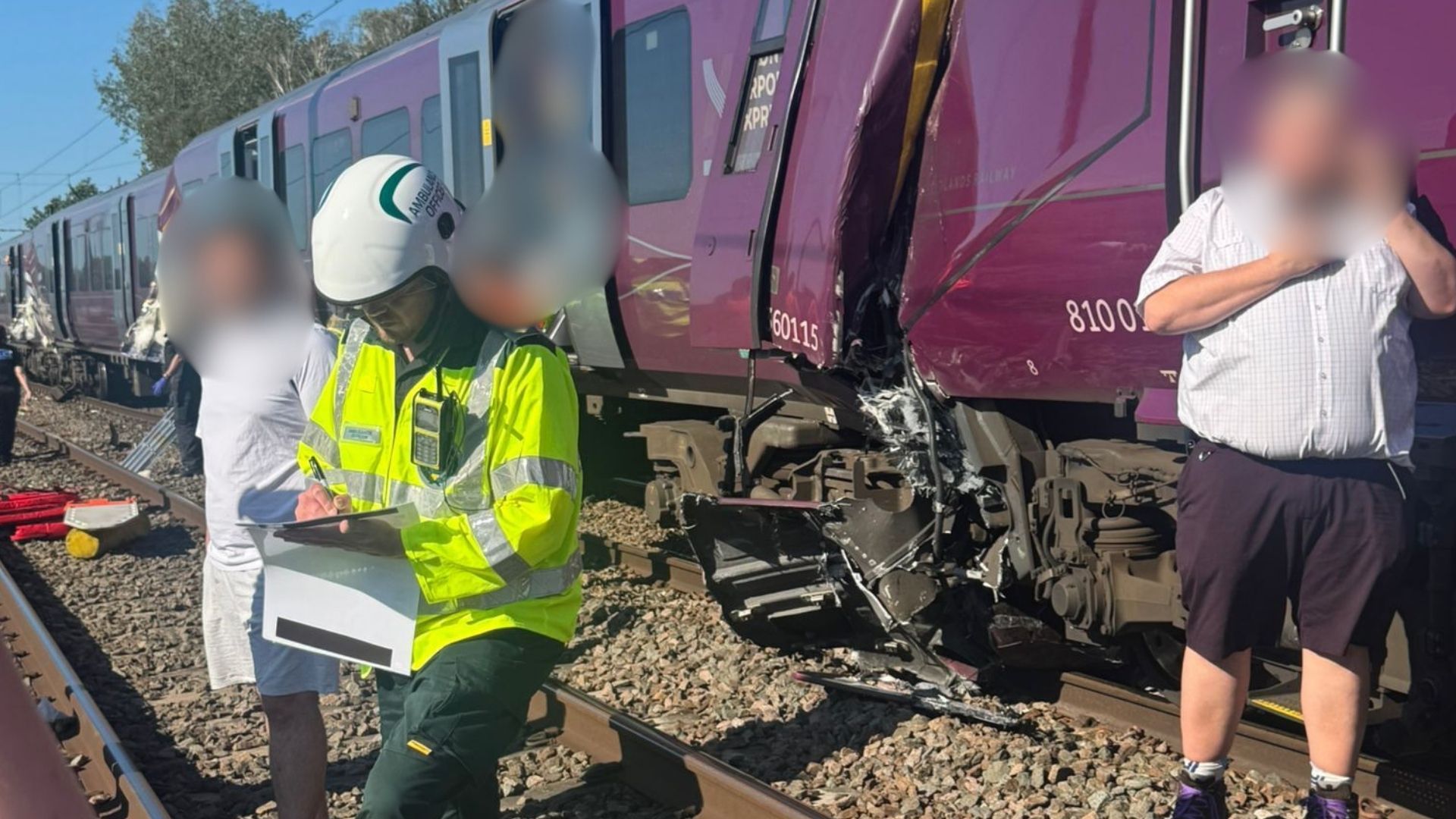
Prime Minister Keir Starmer Reacts
Prime Minister Keir Starmer responded to the tragedy by expressing condolences to the victims and their families. He acknowledged the seriousness of the incident and emphasized the importance of determining exactly what happened.
The Prime Minister stated that authorities would support the investigation and ensure that lessons are learned from the accident. Government officials have also pledged to work closely with railway agencies and safety regulators as the inquiry progresses.
His remarks come amid growing public concern regarding transport safety and the reliability of critical infrastructure systems. The government is expected to closely monitor the findings of the investigation and consider any recommendations that emerge.
Rail Safety Under Scrutiny
The collision has reignited discussions about railway safety standards across the country. While the UK rail network is generally regarded as one of the safest in the world, major accidents often trigger extensive reviews aimed at preventing similar incidents in the future.
Transport analysts note that modern railways rely heavily on advanced signaling technology, automated safety mechanisms, and strict operational procedures to avoid track conflicts. Any breakdown in these systems can have serious consequences, making comprehensive investigations essential after incidents of this nature.
Industry experts have emphasized that understanding the root cause of the Bedford collision will be crucial for maintaining public confidence in the rail network and ensuring passenger safety.
Disruptions and Recovery Efforts Continue
Rail operators continue to work on restoring normal services while ensuring that investigators have full access to the site. Recovery teams are removing damaged equipment, inspecting infrastructure, and assessing any impact on tracks and signaling systems.
Passengers have been advised to check service updates as delays and route changes may remain in effect until the affected section of the railway is fully cleared and certified safe for operation.
Authorities have assured the public that safety remains the top priority as the investigation moves forward. The findings are expected to play a significant role in shaping future safety measures and operational policies within the rail sector.
Looking Ahead
As investigators piece together the events that led to the deadly Bedford collision, attention remains focused on accountability, safety improvements, and support for those affected. The tragedy serves as a stark reminder of the importance of rigorous safety systems and continuous oversight within modern transportation networks.
The coming weeks are expected to provide greater clarity regarding the cause of the crash, with official findings likely to influence future railway safety practices and regulatory decisions across the United Kingdom.