
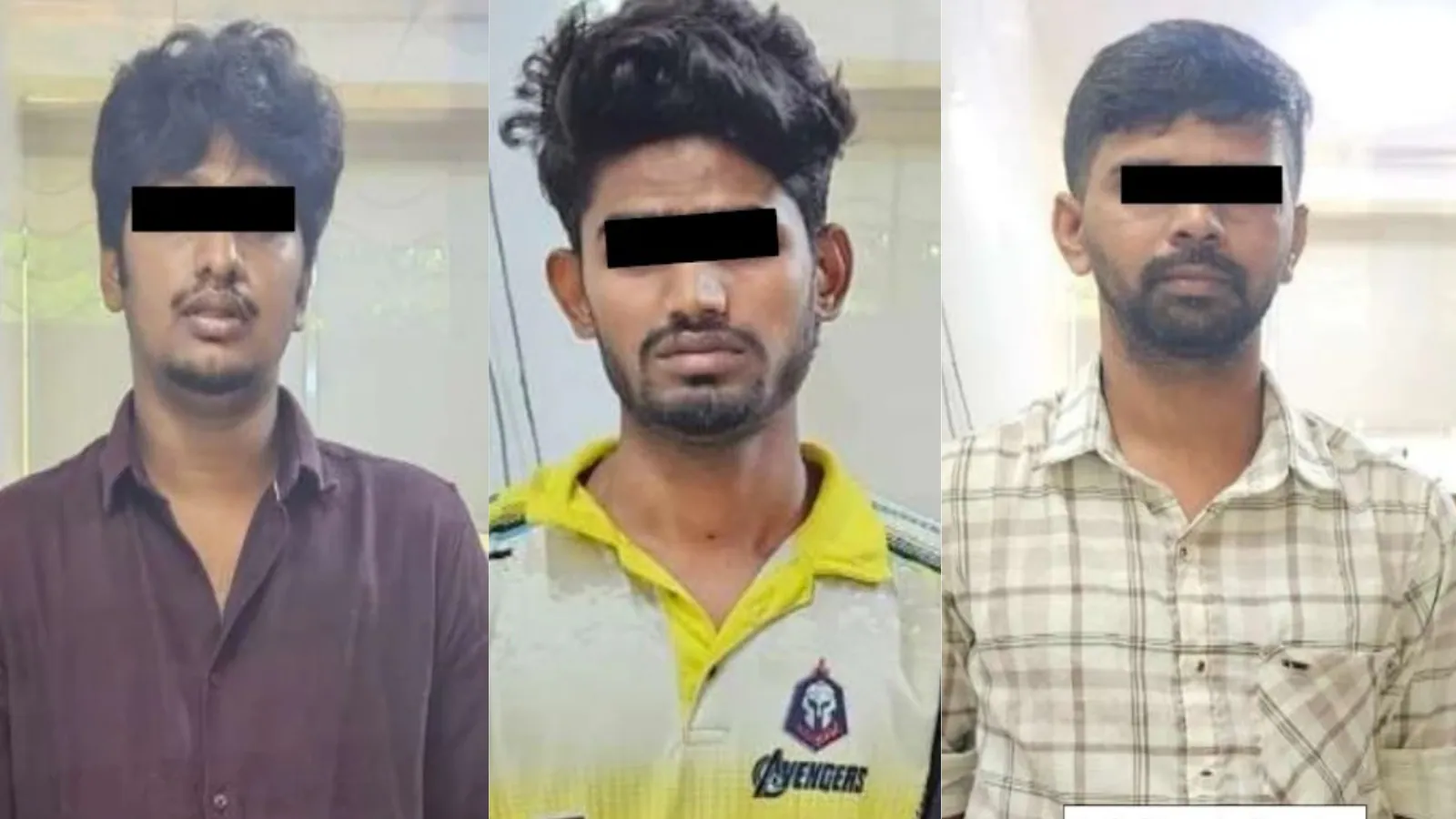
In a significant breakthrough against the misuse of artificial intelligence and digital manipulation, Bengaluru Cyber Crime Police have arrested three individuals allegedly involved in creating and circulating AI-generated morphed images of actor Rukmini Vasanth. The case has drawn widespread attention, highlighting growing concerns about the abuse of deepfake technology and its impact on privacy, reputation, and online safety.
The arrests come after an extensive cyber investigation into the creation and distribution of manipulated images that falsely depicted the actor. Authorities said the accused used advanced artificial intelligence tools and image-editing technologies to generate fake content, which was subsequently shared across digital platforms.
Investigation Leads to Arrests
According to police officials, the investigation began after complaints were received regarding the circulation of altered images targeting the actor. Cyber experts were assigned to trace the origin of the content and identify those responsible for producing and disseminating the fabricated visuals.
Using digital forensic techniques, investigators reportedly tracked online activities, electronic devices, and communication records linked to the suspects. The evidence gathered during the probe allegedly established their involvement in generating and sharing the manipulated content.
Authorities stated that the accused were located and arrested following coordinated efforts by cybercrime units. Electronic gadgets and digital storage devices were also seized for further examination as part of the ongoing investigation.
Rising Threat of Deepfake Technology
The case has once again brought attention to the growing misuse of artificial intelligence-powered tools capable of creating realistic but fabricated images, videos, and audio recordings. Deepfake technology has advanced rapidly in recent years, making it increasingly difficult for viewers to distinguish between authentic and manipulated content.
Experts warn that such technology can be exploited to target public figures, celebrities, professionals, and private individuals. Victims often face reputational damage, emotional distress, privacy violations, and long-term consequences resulting from the circulation of false digital material.
The alleged use of AI tools in the Rukmini Vasanth case underscores the urgent need for stronger awareness, legal safeguards, and technological measures to combat digital impersonation and synthetic media abuse. 
Legal Consequences of Digital Manipulation
Law enforcement agencies have emphasized that creating, publishing, or sharing manipulated images without consent can attract serious legal consequences under various cybercrime and information technology laws. Authorities noted that individuals who participate in the production or distribution of such content may face criminal prosecution.
Officials have also urged internet users to exercise caution before sharing images or videos circulating on social media, particularly when the authenticity of the content cannot be independently verified.
Cybercrime investigators continue to examine digital evidence recovered from the accused and are exploring whether additional individuals may have been involved in the creation, promotion, or dissemination of the deepfake content.
Concerns Over Online Safety
The incident has reignited discussions about online safety and the responsibilities of technology users in an era increasingly influenced by artificial intelligence. While AI offers numerous beneficial applications across industries, experts caution that its misuse can create serious ethical and legal challenges.
Advocates for digital rights have called for stronger enforcement mechanisms, faster reporting systems, and improved cooperation between technology platforms and law enforcement agencies to address the spread of harmful synthetic media.
The case also highlights the need for public awareness regarding deepfake technology, enabling users to recognize manipulated content and report suspicious material promptly.
Ongoing Investigation
Police officials have indicated that the investigation remains active, with authorities continuing to analyze digital records and online networks associated with the case. Additional charges or arrests could follow depending on the findings of the ongoing probe.
The arrests represent a significant step in addressing cyber-enabled harassment and the unauthorized use of artificial intelligence tools to create misleading or harmful content. As deepfake technology becomes more sophisticated, law enforcement agencies are expected to intensify efforts to identify offenders and strengthen safeguards against digital abuse.
The case serves as a reminder of the evolving challenges posed by artificial intelligence and the importance of maintaining accountability, privacy, and trust in the digital ecosystem.