
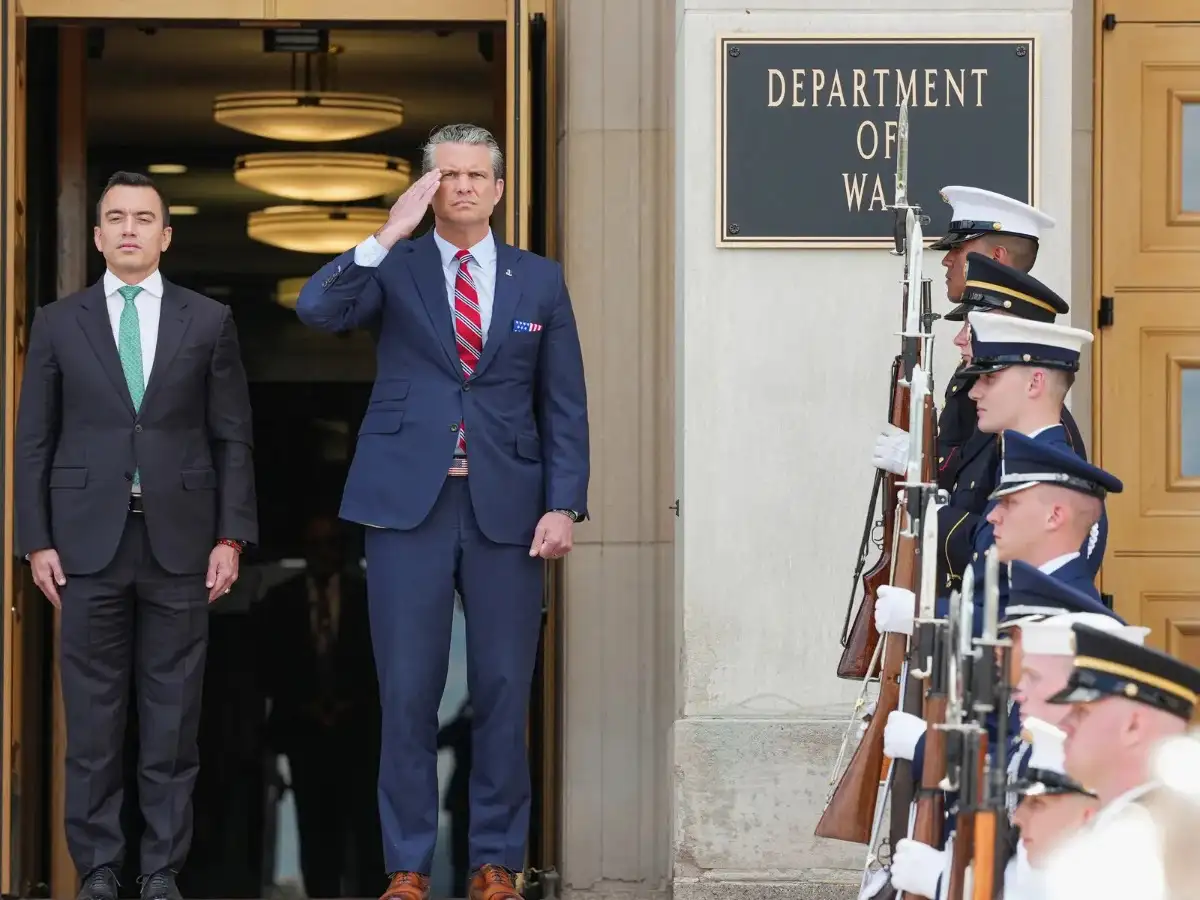
The United States Department of Defense has reportedly informed lawmakers that it requires approximately $80 billion in additional funding to address a range of military and security-related expenses, including potential operations linked to escalating tensions with Iran and other emerging national security challenges.
The request highlights growing concerns within the U.S. defense establishment about the financial burden of maintaining military readiness while responding to multiple global crises. Officials are said to have outlined the need for supplemental funding during discussions with members of Congress, emphasizing that existing budget allocations may not be sufficient to cover the scope of anticipated military requirements.
Rising Costs of Military Preparedness
Defense officials have indicated that the additional funding would help support a broad spectrum of military activities, ranging from operational readiness and troop deployments to equipment maintenance and strategic deterrence measures. A significant portion of the requested amount is reportedly connected to preparations for potential contingencies involving Iran, as geopolitical tensions in the Middle East continue to raise concerns among policymakers and military planners.
The Pentagon has increasingly focused on ensuring that U.S. forces remain capable of responding rapidly to evolving threats in the region. Maintaining a heightened state of readiness often requires substantial expenditures on logistics, intelligence gathering, surveillance operations, and the deployment of advanced military assets.
Concerns Over Escalating Iran Tensions
The funding discussions come at a time when relations between the United States and Iran remain strained. Regional instability, security threats to American interests, and concerns about broader conflict escalation have contributed to intensified planning within the Pentagon.
Military officials are believed to be assessing various scenarios that could require additional resources, including the protection of U.S. personnel, strategic facilities, and allied interests across the Middle East. While no formal decision regarding major military action has been announced, defense planners routinely prepare for multiple contingencies, particularly during periods of heightened geopolitical uncertainty.
Analysts note that any significant military engagement involving Iran could rapidly increase operational costs due to the scale and complexity of potential missions. Such expenses could include force deployments, naval operations, air defense systems, intelligence support, and long-term regional security commitments. 
Broader Defense Challenges Driving Funding Needs
Beyond concerns related to Iran, the Pentagon’s request reportedly reflects a broader set of strategic challenges confronting the United States. Global security commitments continue to place pressure on defense resources as Washington seeks to maintain military presence and deterrence capabilities across multiple regions.
Defense planners are balancing demands associated with emerging threats, technological modernization, cyber defense initiatives, and ongoing international security obligations. These priorities require sustained investment in personnel, infrastructure, advanced weapons systems, and operational capabilities.
Officials have argued that supplemental funding would help ensure that the U.S. military can respond effectively to unforeseen developments without disrupting ongoing missions or delaying modernization efforts.
Congressional Scrutiny Expected
The request is expected to face detailed examination on Capitol Hill, where lawmakers will evaluate the necessity, scope, and allocation of the proposed funding. Congressional committees responsible for defense appropriations are likely to seek further justification regarding anticipated expenditures and the strategic rationale behind the supplemental request.
Budget debates have become increasingly complex as policymakers weigh national security requirements against broader fiscal concerns. While many legislators support maintaining a strong military posture, questions often arise regarding spending priorities, accountability measures, and long-term budget sustainability.
The Pentagon will likely be required to provide detailed assessments of projected costs, operational requirements, and potential risks associated with current and future security challenges before Congress reaches a final decision.
Strategic Implications for U.S. Policy
The reported $80 billion funding request underscores the growing financial demands of modern defense planning and the challenges facing U.S. policymakers in an increasingly volatile international environment. As tensions persist in key regions and global security threats continue to evolve, military leaders are seeking additional resources to maintain readiness and preserve strategic flexibility.
The outcome of congressional deliberations could have significant implications for future defense policy, military operations, and America’s ability to respond to emerging crises around the world. For now, the funding proposal reflects the Pentagon’s assessment that existing resources may not be adequate to meet the full range of challenges anticipated in the months ahead.
As lawmakers review the request, the debate is expected to focus not only on immediate security concerns involving Iran but also on the broader question of how the United States should allocate resources to address an increasingly complex global threat landscape.