
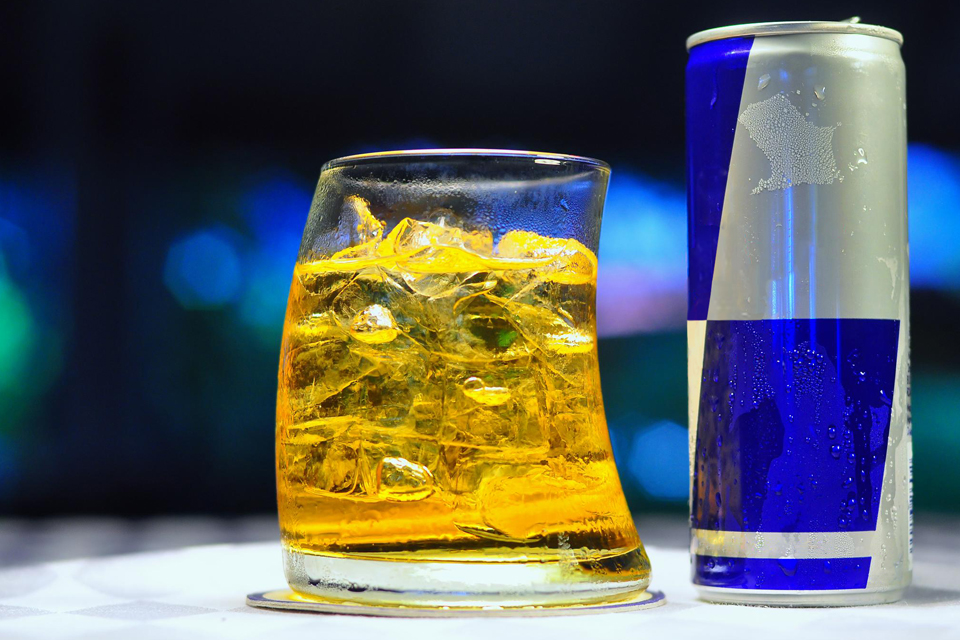
The growing trend of combining alcohol with energy drinks at parties, clubs, and social events is raising serious concerns among health experts. Cardiologists are warning that this popular combination may create dangerous effects on the body, particularly the heart and cardiovascular system, while also increasing the likelihood of risky behavior and alcohol-related harm.
Although many people consume energy drinks alongside alcoholic beverages to stay alert and extend their social activities, medical professionals caution that the mixture can mask the body’s natural response to alcohol intoxication, leading individuals to underestimate how impaired they actually are.
Why the Combination Is Considered Risky
Alcohol is a depressant that slows down brain activity and bodily functions, while energy drinks contain stimulants such as caffeine, taurine, and other ingredients designed to increase alertness and energy levels. When consumed together, these substances send conflicting signals to the body.
According to heart specialists, the stimulant effects of energy drinks can make individuals feel less tired and more awake despite being intoxicated. This can create a false sense of sobriety, encouraging people to drink more alcohol than they normally would and engage in activities that require judgment and coordination.
Experts emphasize that feeling alert does not mean the body is free from alcohol’s impairing effects. Motor skills, reaction times, and decision-making abilities may still be significantly compromised.
Impact on Heart Health
Cardiologists note that both alcohol and energy drinks can independently affect the cardiovascular system. When combined, the effects may become more pronounced.
The mixture can lead to:
- Increased heart rate
- Elevated blood pressure
- Irregular heart rhythms (arrhythmias)
- Greater stress on the heart muscle
- Increased risk of palpitations
Individuals with underlying heart conditions, high blood pressure, or a history of cardiac issues may face an even greater risk. However, experts caution that healthy young adults are not immune to these effects.
Cases of heart palpitations, chest discomfort, and rhythm disturbances have been reported among people who consumed large quantities of energy drinks along with alcohol during social events. 
Increased Risk of Dehydration
Another concern highlighted by health professionals is dehydration. Alcohol is known to promote fluid loss, and energy drinks containing high levels of caffeine can contribute to dehydration as well.
Dehydration may cause symptoms such as:
- Dizziness
- Fatigue
- Headaches
- Reduced physical performance
- Increased strain on the cardiovascular system
When combined with dancing, prolonged physical activity, or hot environments often associated with parties and festivals, the risk of dehydration can become even more significant.
False Sense of Alertness
One of the most concerning aspects of mixing alcohol and energy drinks is the psychological effect. Because energy drinks can temporarily counteract feelings of drowsiness, individuals may incorrectly believe they are less intoxicated than they actually are.
Health experts explain that this phenomenon can lead to:
- Excessive alcohol consumption
- Increased likelihood of accidents
- Poor decision-making
- Risk-taking behavior
- Delayed recognition of alcohol poisoning symptoms
The stimulant ingredients may mask warning signs that would otherwise encourage a person to stop drinking or seek help.
Young Adults Among the Most Vulnerable
Medical professionals have expressed particular concern about young adults and college-age individuals, who are among the most frequent consumers of alcohol-energy drink combinations.
Research has consistently suggested that people who mix these beverages are more likely to consume larger quantities of alcohol and experience negative alcohol-related consequences compared with those who consume alcohol alone.
The social appeal of staying energetic for longer periods often overshadows awareness of the potential health dangers.
Expert Recommendations
Cardiologists recommend avoiding the practice of mixing alcohol with energy drinks whenever possible. For individuals who choose to drink alcohol, experts advise:
- Staying adequately hydrated with water
- Monitoring alcohol intake carefully
- Avoiding excessive caffeine consumption
- Being aware of signs of intoxication
- Seeking medical attention if experiencing chest pain, severe palpitations, dizziness, or fainting
Health professionals stress that energy drinks should never be viewed as a solution for counteracting alcohol’s effects. While they may temporarily reduce feelings of fatigue, they do not reverse intoxication or protect against alcohol-related impairment.
Growing Need for Awareness
As energy drinks remain widely available and increasingly popular among younger consumers, healthcare experts believe greater public awareness is needed regarding the potential risks associated with combining them with alcohol.
Cardiologists continue to encourage responsible drinking habits and informed decision-making, emphasizing that what may seem like a harmless party trend can have serious consequences for cardiovascular health, safety, and overall well-being.
The message from medical experts is clear: staying alert after consuming alcohol does not mean the body is functioning normally, and mixing alcohol with energy drinks may create health risks that many people fail to recognize until complications arise.