
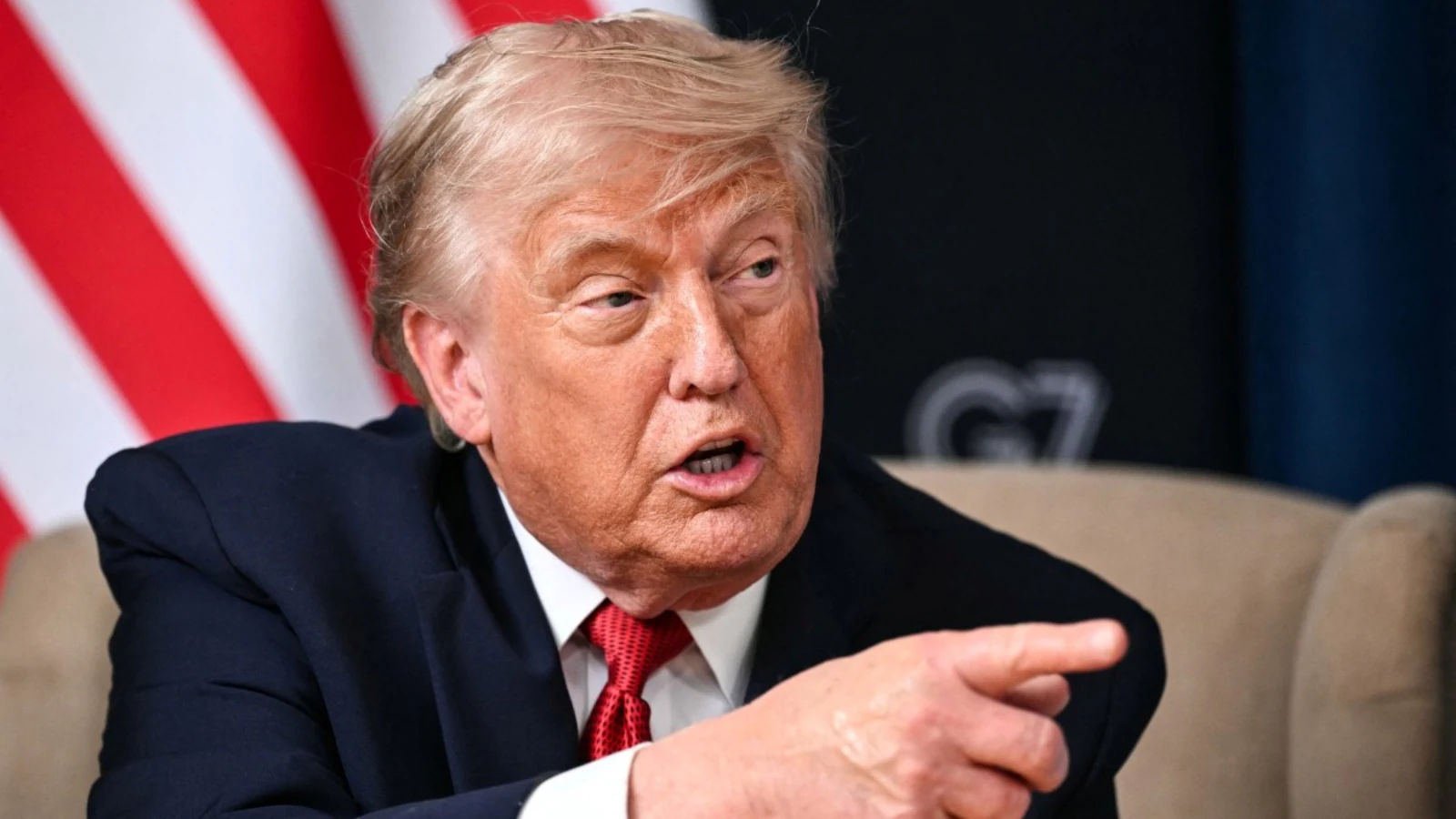
A tragic maritime incident involving the death of an Indian sailor became a key topic of discussion during high-level diplomatic engagements at the G7 Summit, where United States President Donald Trump responded to concerns over the incident and acknowledged the risks faced by those working in the global shipping industry.
The sailor was among the casualties of a recent attack on a commercial vessel operating in a region increasingly affected by geopolitical tensions and security threats. The incident has drawn international attention, particularly because of its impact on civilian maritime workers who play a crucial role in maintaining global trade and supply chains.
Trump Responds to Questions on Sailor’s Death
While addressing reporters on the sidelines of the G7 Summit, President Trump was asked about the death of the Indian sailor and the broader security situation surrounding maritime operations in conflict-prone waters.
Responding to the question, Trump described seafaring as a difficult and dangerous occupation, stating that it is “a rough profession.” His remarks highlighted the inherent risks faced by sailors who navigate some of the world’s most strategically important and often volatile shipping routes.
The American president expressed sympathy for those affected by the incident and emphasized the need to recognize the sacrifices made by maritime workers who keep international commerce functioning despite growing security challenges.
Issue Raised During Modi-Trump Interaction
The matter reportedly featured during discussions between Prime Minister Narendra Modi and President Trump at the G7 Summit. The leaders exchanged views on regional security developments and the implications of ongoing conflicts for international trade and navigation.
India has consistently voiced concern over the safety of its citizens working aboard merchant vessels, particularly in regions experiencing heightened military activity. With thousands of Indian nationals employed in the global shipping industry, maritime security remains a significant concern for New Delhi.
The death of the sailor has once again brought attention to the vulnerability of commercial shipping crews operating in conflict zones, where attacks on vessels can have devastating human and economic consequences. 
Growing Threats to Global Shipping
The incident comes amid escalating concerns over attacks targeting commercial ships in strategically important waterways. Such attacks have disrupted maritime trade, increased insurance costs, and forced shipping companies to reconsider routes through high-risk areas.
Security experts have warned that the worsening geopolitical climate in parts of the Middle East and surrounding maritime corridors has significantly increased risks for civilian vessels. Commercial ships carrying goods across continents have become vulnerable to attacks linked to broader regional conflicts.
These developments have raised alarms among governments and international organizations responsible for ensuring freedom of navigation and the safety of global trade routes.
India’s Concern for Maritime Workforce
India is one of the world’s leading suppliers of skilled maritime personnel, with a large number of Indian seafarers serving aboard international cargo ships, tankers, and commercial vessels. Any threat to maritime safety directly affects thousands of Indian families whose livelihoods depend on the shipping industry.
The death of the sailor has renewed calls for stronger international cooperation to protect merchant vessels and civilian crews operating in dangerous waters. Maritime organizations have repeatedly urged governments to strengthen security measures and improve coordination to prevent similar incidents.
Indian authorities continue to monitor developments closely while maintaining communication with international partners regarding the safety and welfare of Indian seafarers working overseas.
Maritime Security Emerges as a Global Concern
The discussion between Modi and Trump reflects the growing importance of maritime security in international diplomacy. As conflicts increasingly affect global trade routes, world leaders are under pressure to ensure that civilian shipping remains protected from military and non-state threats.
The tragedy has underscored the human cost of instability in key maritime regions and highlighted the need for collective efforts to safeguard commercial navigation. For nations heavily dependent on international trade and maritime labor, ensuring the safety of seafarers has become both an economic necessity and a humanitarian responsibility.
As investigations and diplomatic consultations continue, the incident serves as a reminder of the dangers faced by maritime workers and the broader challenges confronting global shipping in an increasingly uncertain security environment.