
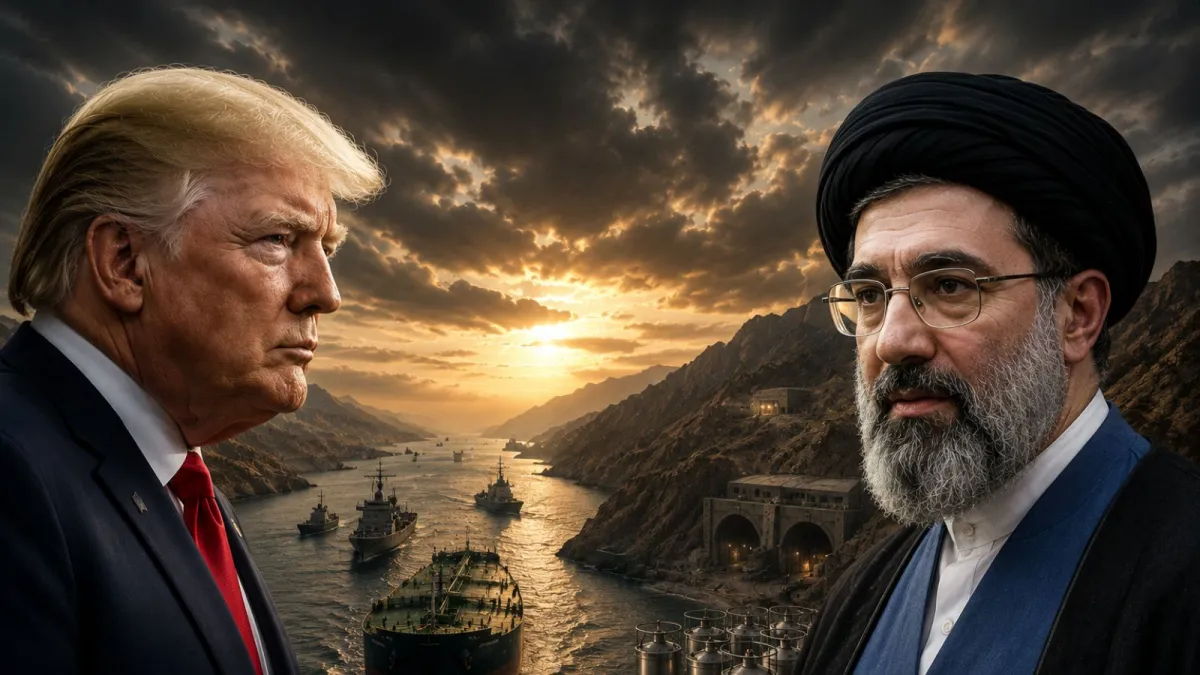
A recently signed peace agreement between the United States and Iran has been presented as a major diplomatic achievement by President Donald Trump. The deal marks a significant development in efforts to reduce tensions between the two longtime adversaries and potentially avert a broader regional conflict. However, despite the breakthrough, analysts and observers argue that several of Washington’s original strategic objectives remain only partially achieved, raising questions about the long-term effectiveness of the agreement.
The accord comes after a period of heightened tensions, military confrontations, and diplomatic uncertainty that had fueled concerns about the possibility of a wider conflict in the Middle East. While the agreement has been welcomed as a step toward stability, critics contend that the outcome falls short of delivering the comprehensive changes that the United States had initially sought.
A Diplomatic Breakthrough Amid Regional Tensions
The agreement represents one of the most significant diplomatic engagements between Washington and Tehran in recent years. It follows months of negotiations aimed at reducing hostilities, restoring channels of communication, and preventing further escalation in an already volatile region.
For the Trump administration, the signing of the deal offers an opportunity to showcase its diplomatic capabilities and commitment to resolving international disputes through negotiation rather than prolonged military engagement. Officials have described the agreement as a move that could reduce immediate security risks and create a framework for future discussions.
Supporters of the deal argue that securing a formal peace arrangement between the two countries is itself a considerable achievement given decades of mistrust, sanctions, and political hostility. 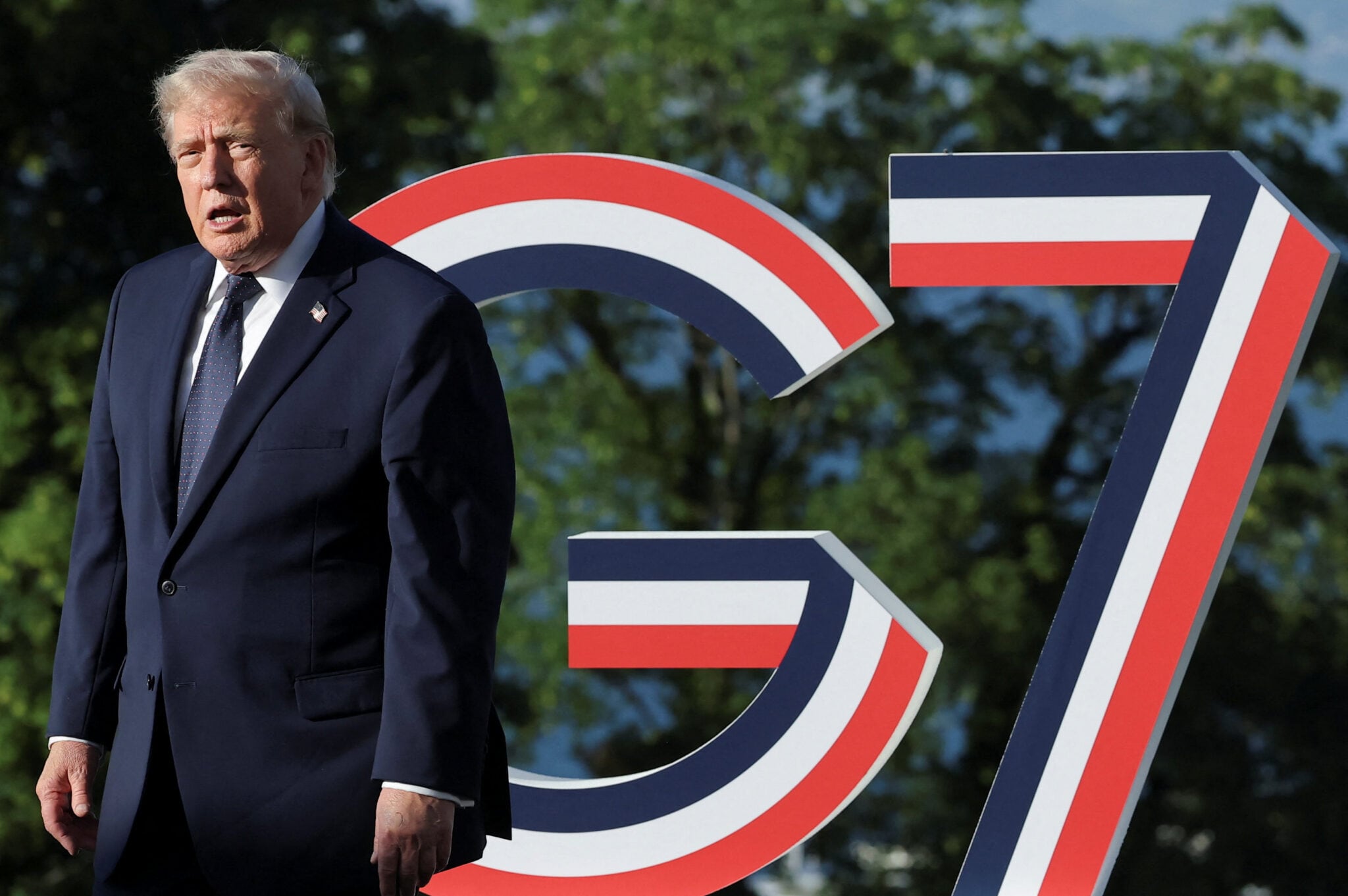
Objectives Achieved by the Agreement
The agreement appears to have succeeded in addressing several short-term concerns that had become pressing issues for both nations and the international community.
Reduction in Immediate Conflict Risks
One of the most significant accomplishments is the lowering of the immediate threat of military confrontation. The agreement establishes mechanisms intended to reduce misunderstandings and prevent incidents from escalating into larger conflicts.
Diplomatic Re-engagement
The deal has reopened avenues for diplomatic dialogue, allowing both sides to communicate more effectively on regional security issues and other matters of mutual concern.
Economic and Political Stability
The agreement is also expected to provide a degree of predictability to international markets and regional governments that have been affected by prolonged uncertainty surrounding US-Iran relations.
Where Trump Fell Short
Despite these achievements, several of the administration’s broader strategic goals remain unresolved.
Iran’s Long-Term Regional Influence
One of Washington’s key objectives has been to limit Iran’s influence across the Middle East. While the agreement may reduce direct tensions between the United States and Iran, it does not fundamentally alter Tehran’s relationships with regional allies and partner groups.
As a result, critics argue that Iran retains much of its geopolitical influence, raising concerns that the agreement may not significantly reshape the regional balance of power. 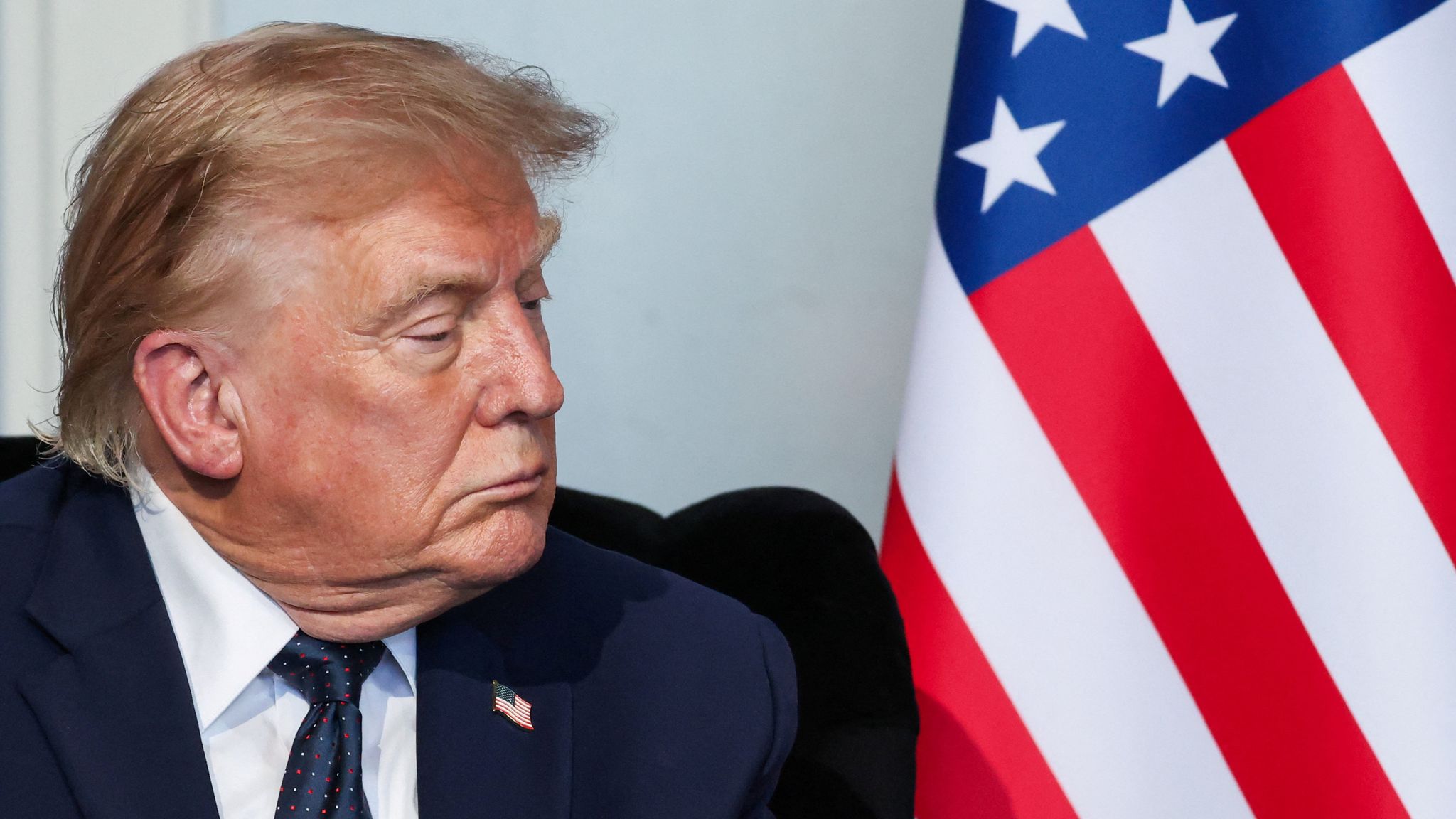
Nuclear Concerns Remain
Another major issue involves Iran’s nuclear ambitions. Although the agreement may include measures designed to improve transparency and reduce immediate concerns, some experts believe it does not fully eliminate uncertainties regarding Iran’s long-term nuclear capabilities.
The absence of comprehensive and permanent restrictions has led some observers to question whether the agreement can guarantee lasting security assurances.
Limited Structural Change
Analysts note that peace agreements often succeed in reducing immediate hostilities without resolving the deeper political and ideological disputes that underpin conflicts. In this case, fundamental disagreements between Washington and Tehran continue to exist on a range of issues, including regional policy, security arrangements, and international partnerships.
Without addressing these broader challenges, there is concern that future tensions could re-emerge despite the current diplomatic success.
Mixed Reactions from Political Observers
Reaction to the agreement has been divided among policymakers and foreign policy experts.
Supporters view the deal as a pragmatic achievement that prioritizes stability and conflict prevention. They argue that expecting a single agreement to resolve every dispute between the two nations is unrealistic and that gradual progress should be considered a success.
Critics, however, maintain that the administration set ambitious goals but ultimately accepted a compromise that left several major concerns unresolved. According to this view, the agreement may provide short-term peace while failing to deliver the broader strategic transformation initially envisioned.
Implications for the Middle East
The agreement’s broader impact on the Middle East will depend largely on how both countries implement its provisions and whether future negotiations build upon the current framework.
Regional governments are closely monitoring developments, as any improvement in US-Iran relations could influence security dynamics, economic cooperation, and diplomatic alignments across the region.
If successfully implemented, the deal could contribute to a period of reduced tensions and greater stability. However, if unresolved disputes continue to dominate the relationship, the agreement may prove to be only a temporary pause in a longer geopolitical struggle.
Looking Ahead
The peace agreement represents an important diplomatic milestone and demonstrates the willingness of both sides to pursue dialogue despite years of hostility. Nevertheless, the accord highlights the challenges of translating diplomatic breakthroughs into lasting strategic outcomes.
While President Trump can point to the agreement as evidence of successful negotiation and conflict reduction, the persistence of unresolved issues—including regional influence, nuclear concerns, and broader geopolitical competition—suggests that the path toward a comprehensive and durable resolution remains uncertain.
As the international community watches the next phase of US-Iran relations unfold, the true measure of the agreement’s success will depend not only on its signing but also on its ability to deliver lasting peace, security, and stability in a region long marked by conflict and rivalry.