
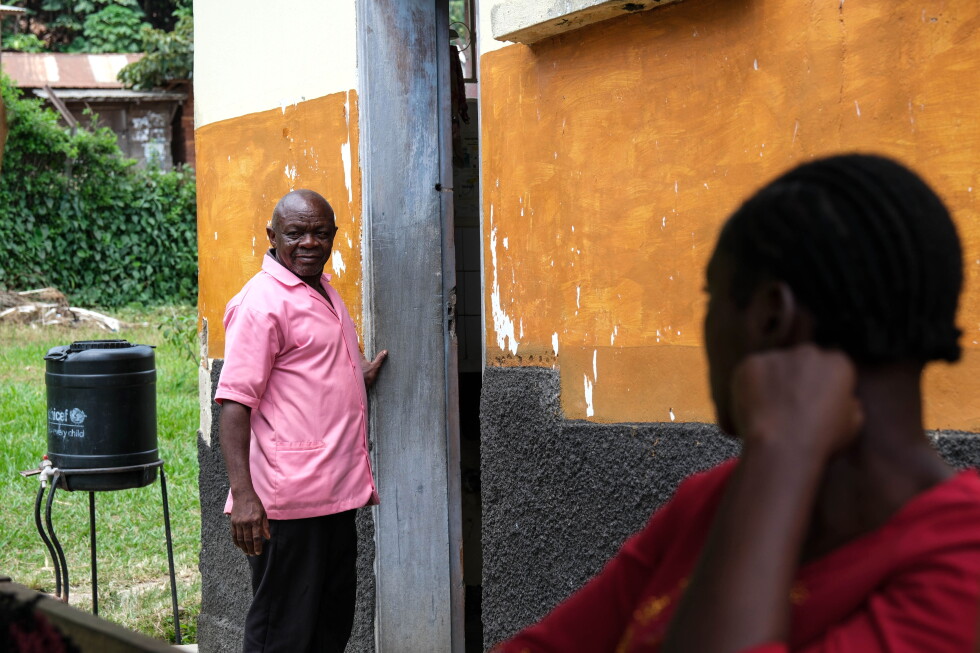
Health authorities across parts of Africa are facing a complex challenge in their efforts to contain Ebola outbreaks: the continued influence of traditional healers within local communities. While these practitioners remain trusted figures for millions of people seeking medical guidance, public health experts warn that reliance on traditional remedies during Ebola outbreaks can delay diagnosis, hinder treatment, and increase the risk of disease transmission.
The issue has once again come into focus as health agencies intensify efforts to strengthen surveillance systems, improve public awareness, and encourage communities to seek professional medical care when symptoms of Ebola emerge. Experts emphasize that controlling the deadly virus requires not only medical intervention but also cooperation from communities deeply rooted in cultural and traditional healing practices.
Deep Community Trust in Traditional Healing
Traditional healers occupy a unique position in many African societies. For generations, they have served as counselors, spiritual advisors, and healthcare providers, particularly in rural and underserved regions where access to hospitals and clinics may be limited.
Many residents often seek assistance from traditional practitioners before visiting formal healthcare facilities. This trust is built on longstanding cultural beliefs, family traditions, and the accessibility of local healers compared to modern medical centers.
While traditional healers provide valuable social and cultural support, health experts argue that Ebola presents a distinct challenge because the disease requires rapid medical diagnosis, isolation of infected individuals, and specialized treatment measures to prevent further spread.
Delayed Detection Increases Risk
One of the major concerns raised by health officials is the delay in identifying Ebola cases when patients initially turn to traditional remedies instead of professional healthcare services.
Ebola symptoms can resemble those of other common illnesses during the early stages, including fever, fatigue, muscle pain, headaches, and digestive problems. As a result, infected individuals may seek treatment from local healers, unknowingly exposing others while the disease continues to progress.
Public health specialists note that every delay in detecting Ebola cases can significantly increase the likelihood of transmission within families and communities. Early diagnosis remains one of the most effective tools in preventing widespread outbreaks. 
Challenges for Contact Tracing and Surveillance
Traditional healing practices can also complicate public health surveillance efforts. Health authorities rely heavily on contact tracing to identify individuals who may have been exposed to the virus and monitor them for symptoms.
When patients move between multiple healers or seek treatment outside official healthcare systems, tracking potential transmission chains becomes more difficult. This can slow outbreak response efforts and make it harder to identify the source of infections.
Experts warn that incomplete reporting and hidden cases can undermine months of disease-control work, especially in remote areas where healthcare resources are already stretched.
Cultural Practices and Public Health Concerns
In addition to treatment-related issues, certain traditional and cultural practices can create further challenges during Ebola outbreaks.
Health officials have historically expressed concerns about close physical contact with infected individuals and traditional burial rituals that may involve handling the bodies of deceased persons. Since Ebola can remain highly contagious through bodily fluids, such practices have contributed to transmission during previous outbreaks.
Authorities stress that respecting cultural traditions while introducing safer health measures is essential. Attempts to impose restrictions without community consultation have often generated mistrust and resistance.
Building Partnerships Instead of Conflict
Recognizing the influence of traditional healers, many health organizations have shifted their approach in recent years. Rather than viewing healers as obstacles, authorities increasingly seek to involve them as partners in disease prevention and outbreak response.
Training programs have been introduced in several regions to help traditional practitioners recognize Ebola symptoms, refer suspected cases to healthcare facilities, and share accurate health information with community members.
Public health experts believe that engaging respected local figures can significantly improve trust and encourage people to seek medical attention sooner. Such partnerships can bridge the gap between traditional beliefs and modern healthcare systems. 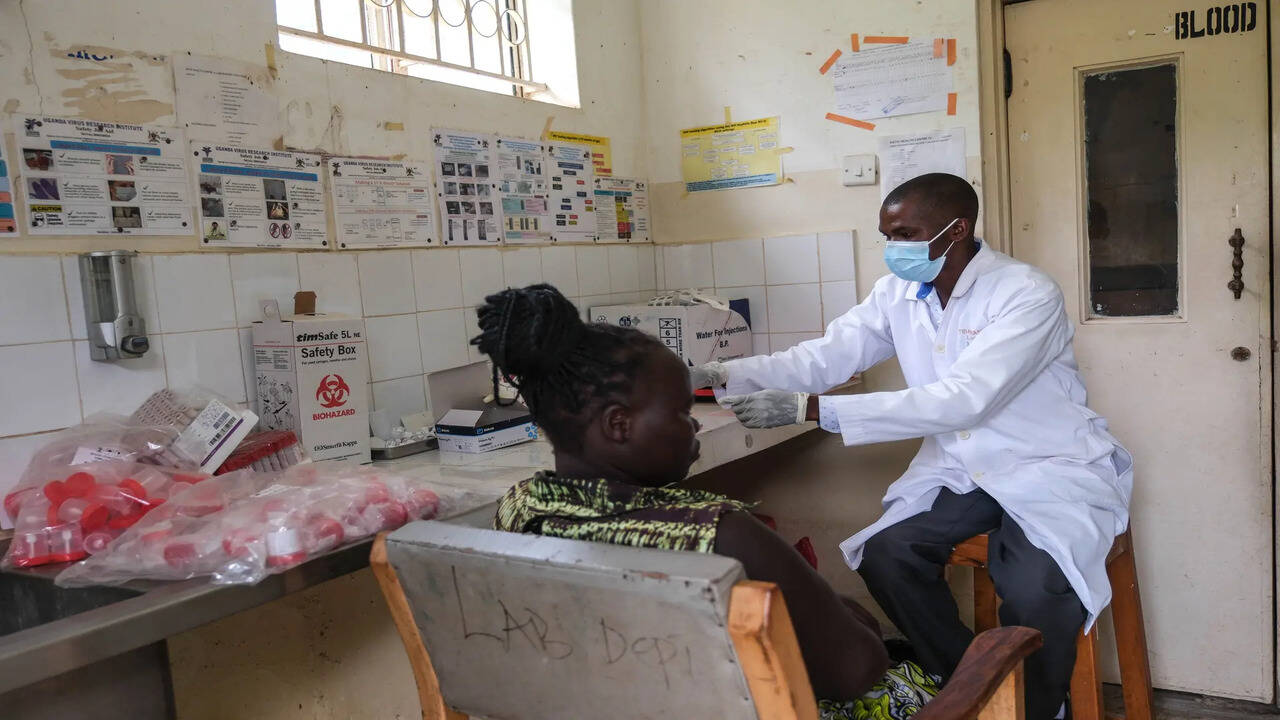
Importance of Community Education
Education remains a cornerstone of Ebola prevention efforts. Governments, international health agencies, and local organizations continue to conduct awareness campaigns aimed at helping communities understand how Ebola spreads and why early treatment is critical.
These campaigns often emphasize practical steps such as reporting symptoms quickly, avoiding contact with infected bodily fluids, and cooperating with healthcare workers conducting investigations and contact tracing.
Officials say that successful outbreak control depends on ensuring that accurate information reaches even the most remote populations.
Strengthening Healthcare Access
Experts also point out that reliance on traditional healers is often linked to broader healthcare challenges. In many regions, medical facilities are scarce, transportation is difficult, and healthcare costs can be prohibitive.
Improving access to quality healthcare services is therefore considered a key component of long-term disease prevention. Investments in clinics, trained medical personnel, laboratory capacity, and emergency response systems can help communities access timely treatment and reduce dependence on informal healthcare options during outbreaks.
Ongoing Efforts to Prevent Future Outbreaks
As African nations continue to strengthen their public health systems, experts stress that the fight against Ebola extends beyond medical treatment alone. Building trust, respecting cultural realities, and fostering cooperation between traditional healers and healthcare professionals are increasingly seen as essential strategies.
Health authorities remain optimistic that greater collaboration, improved awareness, and stronger healthcare infrastructure can help reduce the impact of future Ebola outbreaks. However, they acknowledge that success will depend on sustained community engagement and a balanced approach that recognizes both cultural traditions and scientific health practices.
By integrating local leaders and trusted healers into public health strategies, officials hope to create a more effective response framework capable of detecting cases early, limiting transmission, and protecting vulnerable populations from one of the world’s most dangerous infectious diseases.