
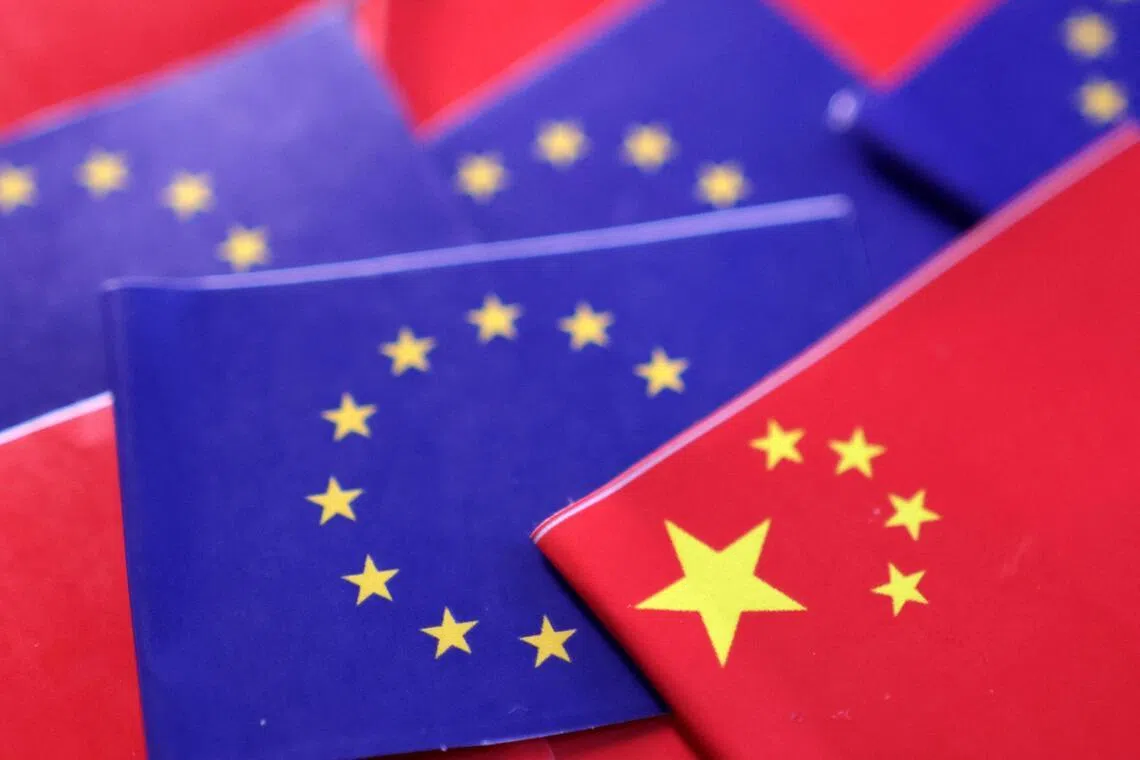
European leaders are increasingly pursuing a more assertive economic approach toward China as concerns grow over market competition, industrial subsidies, and strategic dependencies. However, unlike some other major economies that have adopted more confrontational policies, Europe is attempting to address these challenges without escalating tensions into a full-scale trade conflict.
The effort reflects a broader shift in European economic strategy. Policymakers across the continent are seeking to protect critical industries, reduce vulnerabilities in supply chains, and ensure fair competition while preserving one of the world’s most important trading relationships. China remains a vital market for European businesses, making any aggressive economic confrontation potentially costly for both sides.
As global economic uncertainty continues and geopolitical tensions reshape international commerce, Europe faces the difficult task of balancing economic security with continued engagement.
Growing Concerns Over Chinese Industrial Dominance
European officials have become increasingly concerned about the impact of Chinese industrial policies on global markets. Large-scale government support for manufacturing sectors, particularly in clean energy technologies, electric vehicles, batteries, and renewable energy equipment, has allowed Chinese companies to expand rapidly and gain significant advantages in international markets.
Many European manufacturers argue that they are struggling to compete against products that benefit from extensive state backing. Industry groups have warned that unchecked imports could place pressure on domestic production, threaten jobs, and weaken Europe’s long-term industrial competitiveness.
These concerns have prompted calls for stronger trade defenses and measures designed to ensure a level playing field. European policymakers are now examining how to respond without undermining broader economic stability.
Avoiding a Repeat of Global Trade Conflicts
Despite growing frustration, European leaders appear determined to avoid the type of trade disputes that have characterized relations between major global powers in recent years. Instead of broad-based tariffs or sweeping restrictions, Europe is largely focusing on targeted investigations, regulatory mechanisms, and carefully calibrated trade measures.
Officials argue that the objective is not to isolate China or disrupt international commerce but rather to address specific concerns related to market distortions and unfair competitive practices. This measured approach is intended to prevent retaliatory actions that could damage exporters, investors, and consumers on both sides.
The strategy reflects an understanding that Europe and China remain deeply interconnected through trade, investment, and supply chains. Any major disruption could have far-reaching consequences for industries ranging from automotive manufacturing to consumer electronics and renewable energy. 
Strategic Autonomy Becomes a Key Priority
A central element of Europe’s evolving economic policy is the concept of strategic autonomy. European governments increasingly seek to reduce excessive reliance on external suppliers for critical goods and technologies while strengthening domestic industrial capabilities.
The lessons learned from recent global disruptions—including supply chain bottlenecks, energy crises, and geopolitical tensions—have accelerated efforts to diversify sourcing and build greater resilience. Policymakers believe that reducing strategic dependencies will improve economic security without requiring a complete decoupling from major trading partners.
This approach is often described as “de-risking” rather than “decoupling.” The distinction is important because European leaders generally support maintaining economic ties with China while limiting exposure in sensitive sectors.
Electric Vehicles and Green Technology at the Center of Debate
One of the most prominent areas of concern involves electric vehicles and green technologies. Chinese manufacturers have become increasingly competitive in these sectors, creating challenges for European producers attempting to maintain market share.
European authorities are closely monitoring the impact of imports on local industries and assessing whether existing trade rules adequately address concerns related to subsidies and pricing practices. The outcome of these discussions could shape the future of Europe’s green transition and industrial policy.
At the same time, policymakers recognize that affordable green technologies can help accelerate climate goals and support consumers. As a result, governments are attempting to balance environmental objectives with industrial competitiveness.
Economic Ties Remain Too Important to Ignore
Despite growing strategic concerns, China remains one of Europe’s most significant trading partners. Bilateral trade supports millions of jobs and plays a crucial role in sectors such as manufacturing, luxury goods, machinery, chemicals, and consumer products.
Business leaders across Europe have urged policymakers to avoid measures that could unnecessarily disrupt commercial relations. Many companies continue to view China as a critical market for growth and investment opportunities.
This economic reality explains why European governments are pursuing a nuanced approach. Rather than seeking confrontation, they aim to establish clearer rules and safeguards while preserving channels for cooperation and dialogue.
A Defining Test for Europe’s Economic Future
Europe’s efforts to reshape its relationship with China represent one of the most significant economic policy challenges facing the continent. Leaders must navigate competing priorities, including industrial protection, economic security, climate objectives, and international cooperation.
The success of this strategy will depend on Europe’s ability to strengthen domestic industries while maintaining productive engagement with one of the world’s largest economies. If successful, the approach could offer a model for managing economic competition without triggering a damaging trade war.
As global trade dynamics continue to evolve, Europe’s balancing act between competitiveness and cooperation is likely to remain a defining feature of international economic policy in the years ahead.