
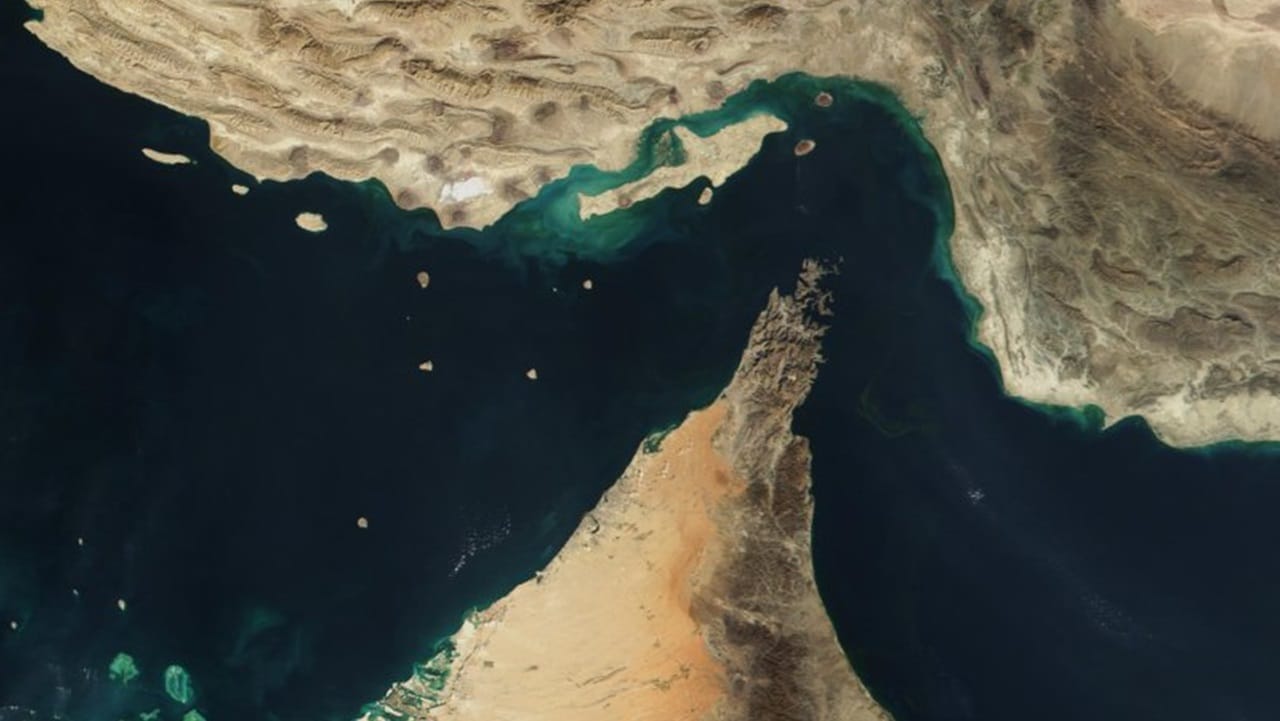
A new intelligence assessment from the United States has raised concerns over Iran’s growing capability to influence maritime traffic through the Strait of Hormuz, one of the world’s most strategically important waterways. According to the report, Tehran now possesses the military resources and operational capacity required to significantly disrupt or even temporarily shut down the narrow passage, a development that could have major implications for global energy markets and international security.
Strategic Importance of the Strait of Hormuz
The Strait of Hormuz serves as a critical maritime corridor connecting the Persian Gulf with the Gulf of Oman and the Arabian Sea. A substantial portion of the world’s crude oil and liquefied natural gas shipments passes through this route every day, making it a vital artery for international trade and energy supplies.
Any interruption in traffic through the strait could trigger immediate consequences for oil-producing nations, importing countries, shipping companies, and financial markets around the world.
Growing Iranian Military Capabilities
The intelligence findings suggest that Iran has expanded and modernized its military assets in the region over recent years. These capabilities reportedly include advanced missile systems, naval mines, fast attack boats, drones, and coastal defense infrastructure that could be deployed to restrict maritime movement.
Analysts believe that Iran’s geographical position along the northern coast of the strait provides it with a significant strategic advantage. Combined with asymmetric warfare tactics developed by the country’s military forces, these capabilities could allow Tehran to exert considerable pressure during periods of heightened conflict.

Potential Impact on Global Energy Markets
Because the Strait of Hormuz handles a large share of global oil exports, even a temporary disruption could cause sharp increases in energy prices. Countries heavily dependent on Middle Eastern oil supplies could face supply shortages, while international shipping costs could rise significantly.
Energy experts have long warned that instability in the region has the potential to affect global inflation, economic growth, and fuel prices. Markets typically react quickly to geopolitical developments involving the Persian Gulf due to the region’s importance in worldwide energy distribution.
Rising Regional Tensions
The assessment comes at a time when tensions across the Middle East remain elevated. Ongoing disputes involving Iran and regional rivals, combined with international concerns over security and military activities, have increased fears of possible escalation.
Western governments and allied naval forces continue to monitor developments closely, emphasizing the importance of maintaining freedom of navigation and ensuring the uninterrupted flow of commercial shipping.
International Concerns Over Maritime Security
Security experts note that while completely sealing off the Strait of Hormuz for an extended period would be difficult due to the likely international response, even limited disruptions could create uncertainty and economic instability.
Several countries have previously increased naval patrols and strengthened cooperation to safeguard shipping lanes in the region. Maintaining stability in the waterway remains a priority for global powers because of its direct connection to international trade and energy security.
Broader Geopolitical Implications
The latest intelligence warning underscores the continuing strategic importance of the Persian Gulf and highlights the growing challenges facing policymakers and military planners. Any confrontation involving the Strait of Hormuz would not only affect the Middle East but could also have far-reaching consequences for economies across Asia, Europe, and North America.
As geopolitical tensions continue to evolve, international observers are expected to closely monitor Iran’s military posture and the security situation surrounding one of the world’s most critical maritime chokepoints.