

A farmer from Assam was safely returned to Indian authorities within hours after being allegedly abducted near the India-Bangladesh border, bringing relief to his family and residents of the border region. The incident, which unfolded close to the international boundary, once again underscored the challenges faced by civilians living and working in sensitive border areas where agricultural land often lies in close proximity to the frontier.
According to officials, the farmer was reportedly working in fields near the zero line—the area immediately adjacent to the international border—when he was taken across the border by individuals from the neighboring side. The incident triggered immediate concern among local residents and security personnel, prompting swift communication between border authorities of both countries.
Incident Near the Border
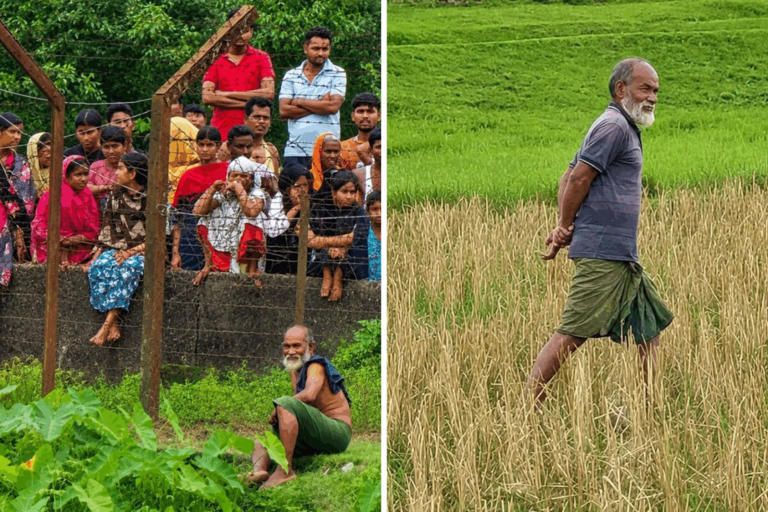
The farmer, a resident of a border village in Assam, had reportedly ventured to his agricultural land located near the international boundary as part of his routine farming activities. Such movements are common among residents of border districts, many of whom depend on agriculture for their livelihood and cultivate land situated close to the border fence.
Witnesses and local villagers reported that the farmer was allegedly seized and taken across the border. News of the incident spread quickly through the village, creating anxiety among family members and residents who feared for his safety.
Security agencies stationed along the border were informed immediately, and efforts were launched to establish contact with their counterparts across the frontier. Given the sensitive nature of cross-border incidents, officials moved rapidly to verify the circumstances surrounding the abduction and secure the farmer’s return.
Swift Coordination Leads to Release
Authorities said that coordinated efforts between border forces and local administrative officials played a crucial role in resolving the situation. Following discussions and communication channels activated between the two sides, the farmer was handed back to Indian authorities within a matter of hours.
The quick resolution helped prevent the incident from escalating into a prolonged diplomatic or security issue. Officials emphasized that established mechanisms for addressing border-related disputes and civilian detentions contributed significantly to the farmer’s safe return.
Upon being brought back, the farmer was reunited with his family, who had spent several tense hours awaiting news about his condition and whereabouts.
Relief for Family and Local Community
The farmer’s return brought considerable relief to residents of the border village, where concerns over security remain a recurring issue. Families living in such regions often face uncertainty due to the complex realities of residing near an international boundary.
Local residents welcomed the prompt intervention by security personnel and authorities. Community members noted that farmers frequently work in areas close to the border and can occasionally find themselves caught in disputes, misunderstandings, or security-related situations arising from the unique geography of the region.
The incident also reignited discussions about ensuring greater safety measures for civilians engaged in agricultural activities near the frontier.
Challenges Along Border Regions
The India-Bangladesh border stretches across several states and passes through densely populated villages, agricultural fields, rivers, and difficult terrain. In many locations, farmland exists close to the international boundary, requiring farmers to work near sensitive security zones.
Border residents often rely heavily on agriculture and cross-border geography can sometimes create challenges related to land access, movement restrictions, and security concerns. As a result, incidents involving farmers or local villagers occasionally attract attention from both security agencies and local administrations.
Experts point out that maintaining effective communication channels between border forces is essential for addressing such situations quickly and preventing unnecessary tensions.
Importance of Border Cooperation
The successful return of the farmer highlights the importance of cooperation and coordination between authorities on both sides of the border. Security experts note that established protocols for handling civilian-related incidents can help reduce risks and ensure humanitarian outcomes in sensitive situations.
Officials reiterated their commitment to protecting residents living in border areas while maintaining vigilance along the international frontier. They also emphasized the need for continued engagement between border agencies to address incidents involving civilians in a timely and peaceful manner.
Ongoing Vigilance
While the farmer’s safe return has brought the immediate episode to a close, authorities are expected to review the circumstances surrounding the abduction and assess whether additional measures are required to enhance security in vulnerable border zones.
For residents of Assam’s border districts, the incident serves as a reminder of the unique challenges associated with life near an international boundary. At the same time, the swift resolution demonstrates how coordinated action and diplomatic communication can help safeguard civilians and maintain stability in sensitive border regions.
The farmer is now safely back home, ending a tense ordeal that lasted only a few hours but drew attention to the continuing importance of security, cooperation, and humanitarian considerations along the India-Bangladesh border.