

Former United States President Donald Trump has sparked fresh debate over Middle East geopolitics after delivering sharp remarks about Israeli Prime Minister Benjamin Netanyahu amid rising tensions involving Israel, Iran, and Lebanon. His comments, made during a period of heightened regional instability, have drawn attention to the complex relationship between Washington and Tel Aviv and raised questions about Israel’s strategic dependence on American support.
Trump described Netanyahu as a “very difficult” leader to deal with, reflecting on their past interactions and suggesting that managing relations with the Israeli prime minister had often proven challenging. The remarks come at a time when military confrontations and security concerns across the Middle East have intensified, placing renewed focus on the political and strategic decisions of regional leaders.
Concerns Over Regional Escalation
The Middle East has been witnessing a surge in tensions involving Israel and groups aligned with Iran, particularly along fronts connected to Lebanon. Cross-border hostilities, military operations, and retaliatory threats have heightened fears of a broader regional conflict.
Against this backdrop, Trump’s comments have resonated beyond domestic American politics. His observations touched upon Israel’s security posture and the country’s reliance on international alliances, particularly its longstanding partnership with the United States.
According to Trump, Israel’s strength is closely tied to the support it receives from Washington. He argued that American military, diplomatic, and strategic backing remains a critical component of Israel’s national security framework. His remarks suggested that the regional balance of power could look significantly different without sustained US involvement.
Netanyahu Under Renewed Scrutiny
Netanyahu, one of Israel’s longest-serving political figures, has frequently faced scrutiny both domestically and internationally over his approach to security, diplomacy, and regional conflicts. Supporters view him as a leader committed to safeguarding Israel against external threats, while critics argue that some of his policies have contributed to heightened tensions in the region.
Trump’s latest statements add another dimension to the ongoing debate surrounding Netanyahu’s leadership. Although the two leaders shared a close political relationship during Trump’s presidency, their association has experienced periods of strain. Observers have noted that disagreements over strategic decisions and political developments occasionally created friction despite their public cooperation.
The former US president’s remarks underscore the complexity of personal and political relationships that often shape international diplomacy. His criticism indicates that even among longstanding allies, differences in leadership style and policy priorities can emerge. 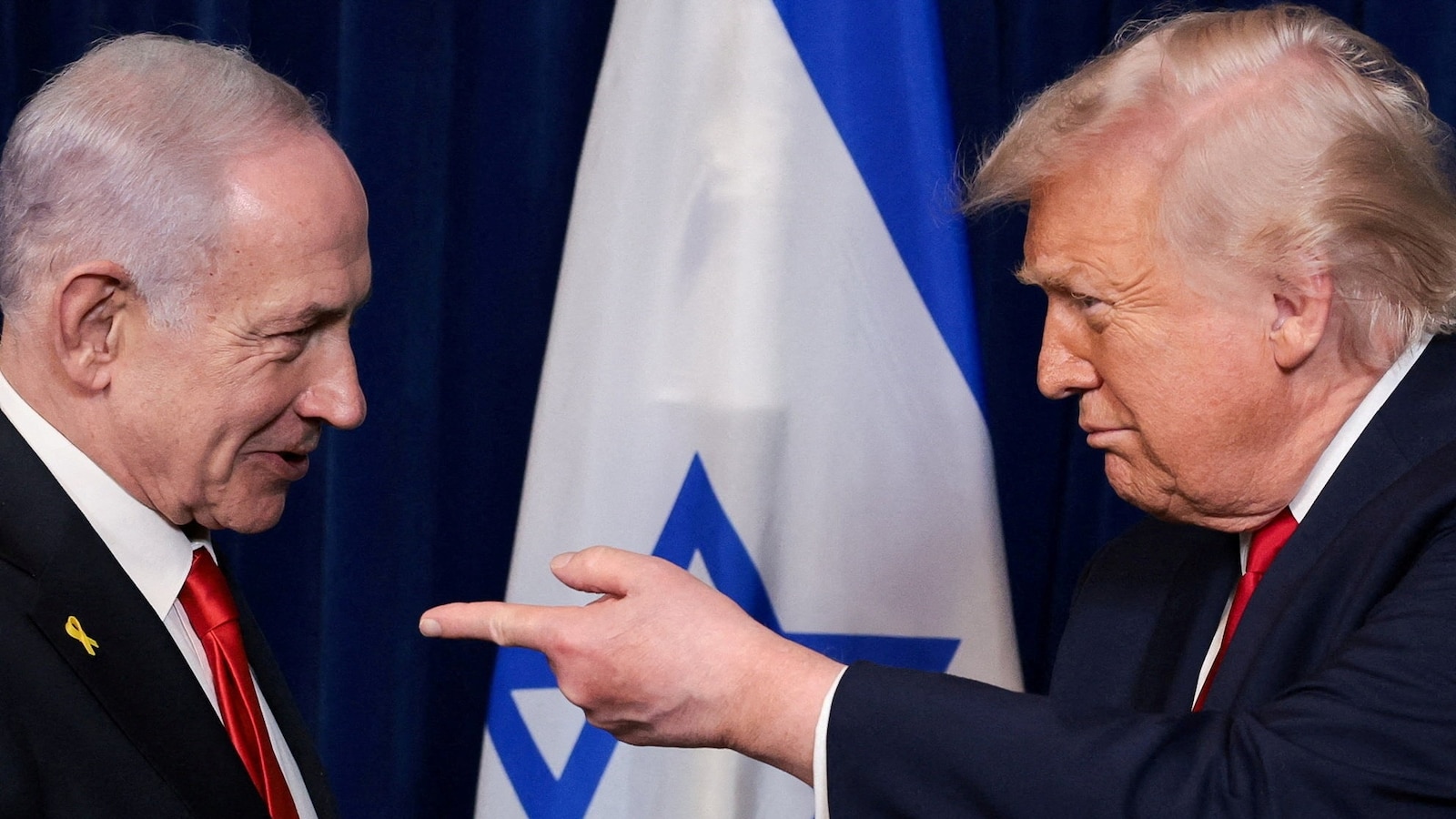
Israel’s Dependence on Strategic Alliances
One of the most notable aspects of Trump’s comments was his emphasis on Israel’s dependence on American assistance. The United States has long been Israel’s closest ally, providing military aid, intelligence cooperation, diplomatic backing, and advanced defense technology.
Security analysts widely regard this partnership as a cornerstone of Israel’s defense capabilities. American support has helped Israel maintain military superiority in a region marked by recurring conflicts and geopolitical rivalries.
Trump’s observations have reignited discussions about how much Israel relies on external support to maintain its strategic position. Some experts argue that the alliance remains essential for regional stability, while others believe Israel possesses sufficient military and technological capabilities to defend itself independently.
Broader Implications for US-Israel Relations
The comments also arrive during a period when US foreign policy toward the Middle East remains under close scrutiny. Policymakers continue to debate the extent of American involvement in regional conflicts, particularly as tensions involving Iran and its allied groups persist.
Trump’s criticism of Netanyahu may influence political discourse in both the United States and Israel, especially among those evaluating the future direction of bilateral relations. While the strategic partnership between the two countries remains strong, public disagreements between prominent political figures often attract significant attention and can shape broader policy discussions.
A Region Facing Uncertainty
As hostilities and security concerns continue to evolve across the Middle East, the relationship between Israel, Iran, Lebanon, and global powers remains a central focus of international diplomacy. Leaders on all sides are navigating a highly volatile environment where military actions, political decisions, and diplomatic efforts carry far-reaching consequences.
Trump’s remarks have added another layer to an already complex geopolitical landscape. Whether his comments lead to broader discussions about leadership, security strategy, or the future of US-Israel cooperation, they highlight the continuing importance of the Middle East in global affairs.
With regional tensions showing few signs of immediate resolution, the statements are likely to fuel ongoing debate about Israel’s security challenges, America’s role in the region, and the leadership decisions shaping the future of one of the world’s most strategically significant areas.