
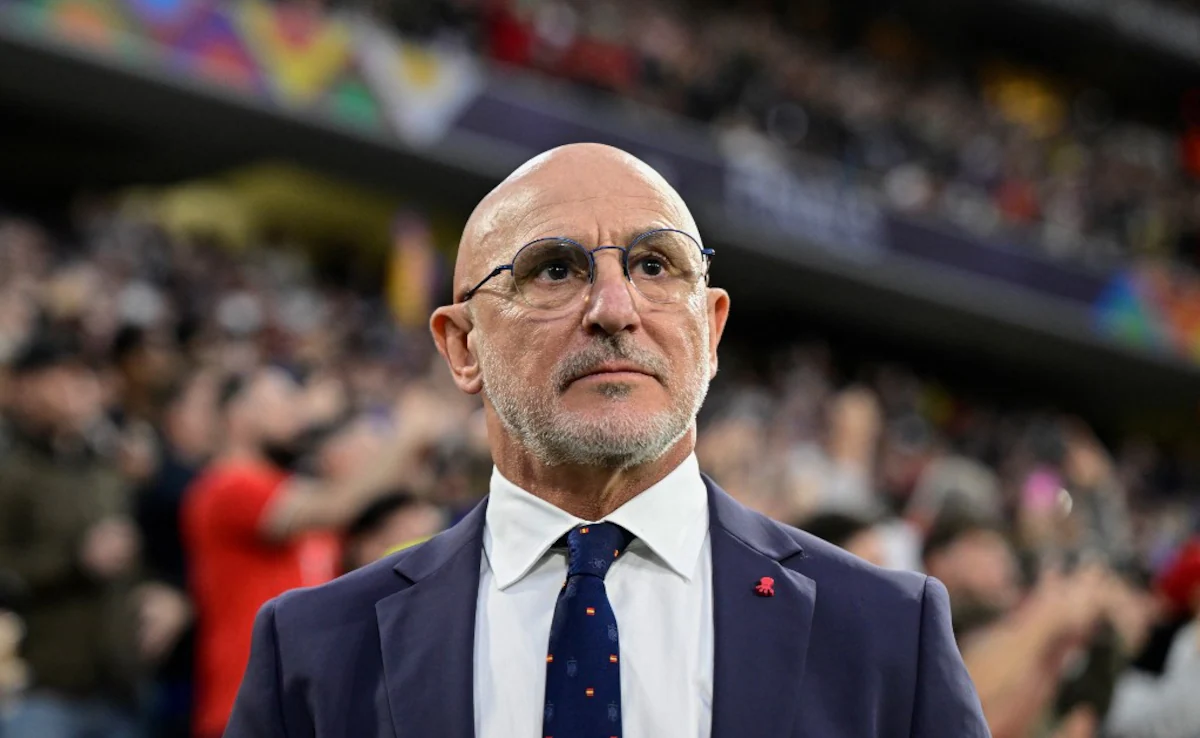
As Spain prepares for another ambitious FIFA World Cup campaign, much of the spotlight has naturally fallen on its exciting crop of young stars. Yet behind the emergence of this talented squad stands a figure whose influence stretches far beyond tactics and team selection. Luis de la Fuente, the architect of Spain’s resurgence, has become one of the most significant figures in modern Spanish football.
Just a few years ago, Spain found itself searching for answers. The nation that once dominated international football with a historic run of major trophies had struggled to replicate that success. Disappointing exits from major tournaments raised concerns that the country’s footballing identity had lost its edge.
The turning point arrived after the 2022 World Cup. With the national team seeking a fresh direction, the Spanish football authorities turned to an unexpected candidate. Rather than appointing a globally recognized managerial superstar, they entrusted the role to a coach whose greatest achievements had come in youth football.
At the time, many questioned the decision. De la Fuente had never managed a senior national team at a major tournament. However, what appeared to be a gamble soon proved to be a masterstroke.
A Coach Who Already Knew His Players
Unlike many international managers who inherit squads built by others, De la Fuente entered the role with a unique advantage. For years, he had worked closely with Spain’s brightest young talents through various age-group teams.
He guided Spanish youth sides to major successes, including European youth championships and an Olympic silver medal. More importantly, he developed lasting relationships with players who would later form the backbone of the senior national team.
Several members of Spain’s current World Cup squad first played under De la Fuente as teenagers. Midfield leaders, defenders, and attacking stars all grew through the national development system while learning under his guidance.
That familiarity has created an atmosphere of trust rarely seen at international level. Players understand the coach’s expectations, while the coach understands their strengths, personalities, and potential. 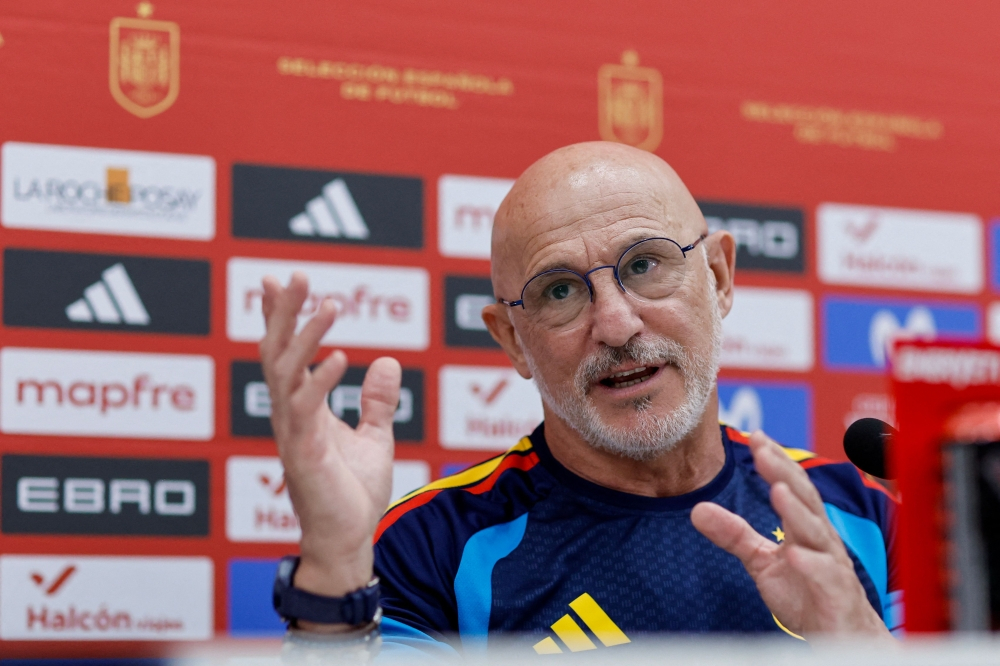
Moving Beyond the Old Formula
Spain’s historic success during the late 2000s and early 2010s was built around a possession-heavy style that became famous around the world. However, football evolved, and opponents gradually found ways to neutralize that approach.
Recognizing the need for change, De la Fuente introduced a more dynamic and aggressive style of play. While maintaining technical excellence and intelligent ball control, Spain became faster, more direct, and more dangerous in transition.
Wide players were encouraged to attack with pace. Full-backs pushed forward aggressively. Midfielders were given greater freedom to create opportunities, while young talents were trusted to express themselves on the biggest stages.
The transformation produced immediate results. Spain captured major international titles and re-established itself among the elite teams in world football.
The Rise of a New Generation
Perhaps the most impressive aspect of De la Fuente’s tenure has been his willingness to place faith in youth.
Emerging stars have flourished under his leadership, combining with experienced internationals to create a balanced squad capable of competing with the world’s best teams.
Young talents such as Lamine Yamal have become symbols of Spain’s renewed confidence and ambition. Alongside established figures like Rodri, Mikel Merino, Pedri, Dani Olmo, and Mikel Oyarzabal, the squad represents a blend of youthful energy and tournament experience.
Rather than selecting players based solely on reputation or club status, De la Fuente has consistently prioritized those who fit his system and team culture. 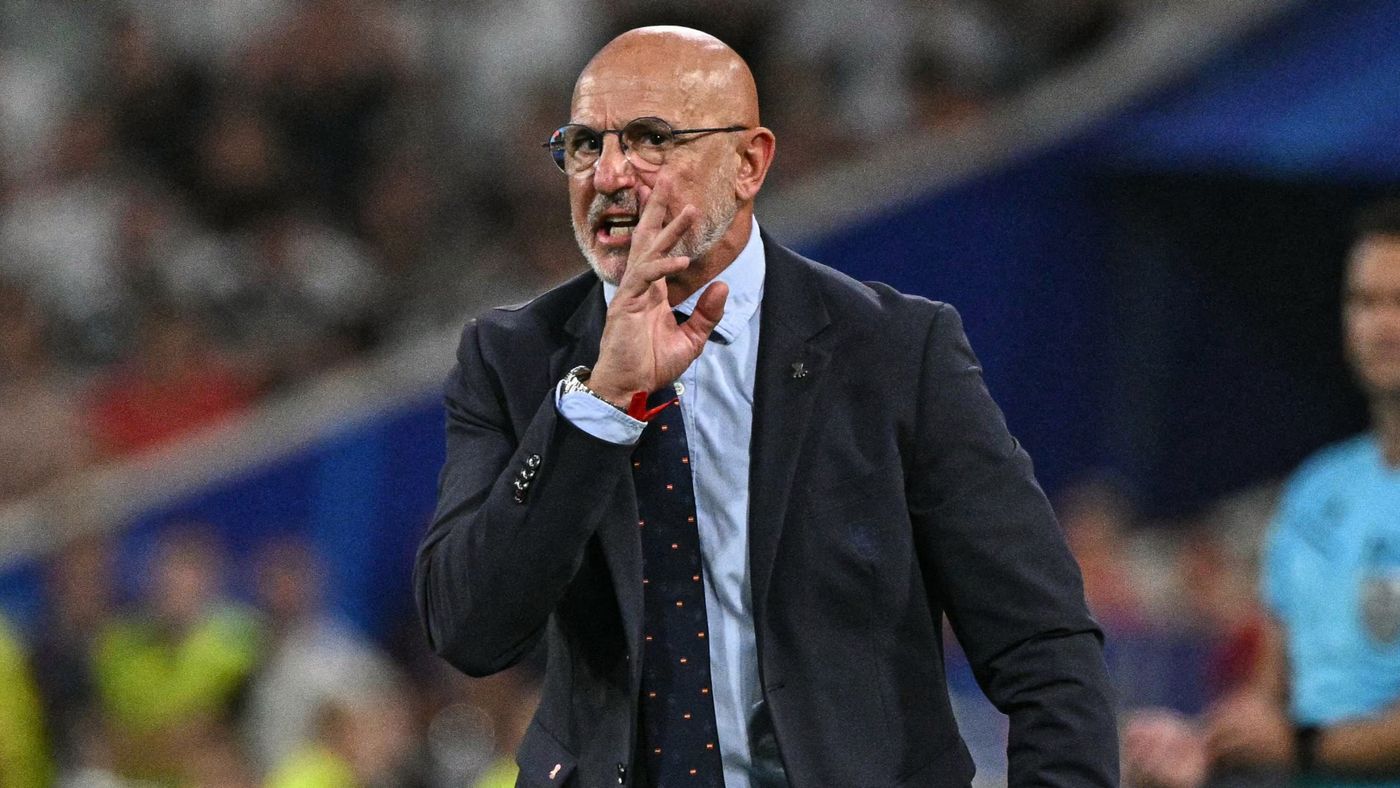
The Teacher Behind the Coach
De la Fuente’s impact extends beyond the players he manages. Throughout his career, he has been deeply involved in coaching education and development.
His work in football instruction helped shape a generation of coaches who have gone on to achieve success at the highest levels of the sport. Many respected managers have benefited from the educational programs in which he played a role.
This background has earned him a reputation as a mentor as much as a manager. His understanding of leadership, communication, and player development has become one of the defining characteristics of his coaching philosophy.
Trust as the Foundation of Success
The strongest feature of De la Fuente’s Spain may not be its tactics or technical quality, but the relationships within the squad.
Players frequently speak about the trust that exists between coach and team. Years of shared experiences have created a sense of unity that extends beyond professional obligations.
For De la Fuente, success is built on honesty, mutual respect, and collective responsibility. That culture has allowed Spain to develop not only as a talented football team but also as a tightly connected group capable of handling the pressures of major tournaments.
Eyes on World Cup Glory
Spain enters the World Cup with genuine expectations of challenging for the title. Recent achievements have restored confidence throughout the country, while the squad’s blend of experience and youth offers reasons for optimism.
For Luis de la Fuente, the tournament represents the next chapter in a remarkable journey. Once viewed as an unlikely choice for one of football’s most demanding jobs, he has transformed Spain into one of the strongest teams in international football.
Now, with a generation of players he helped develop from adolescence to stardom, the coach who spent years teaching others has the opportunity to deliver the ultimate lesson—how to become world champions once again.