
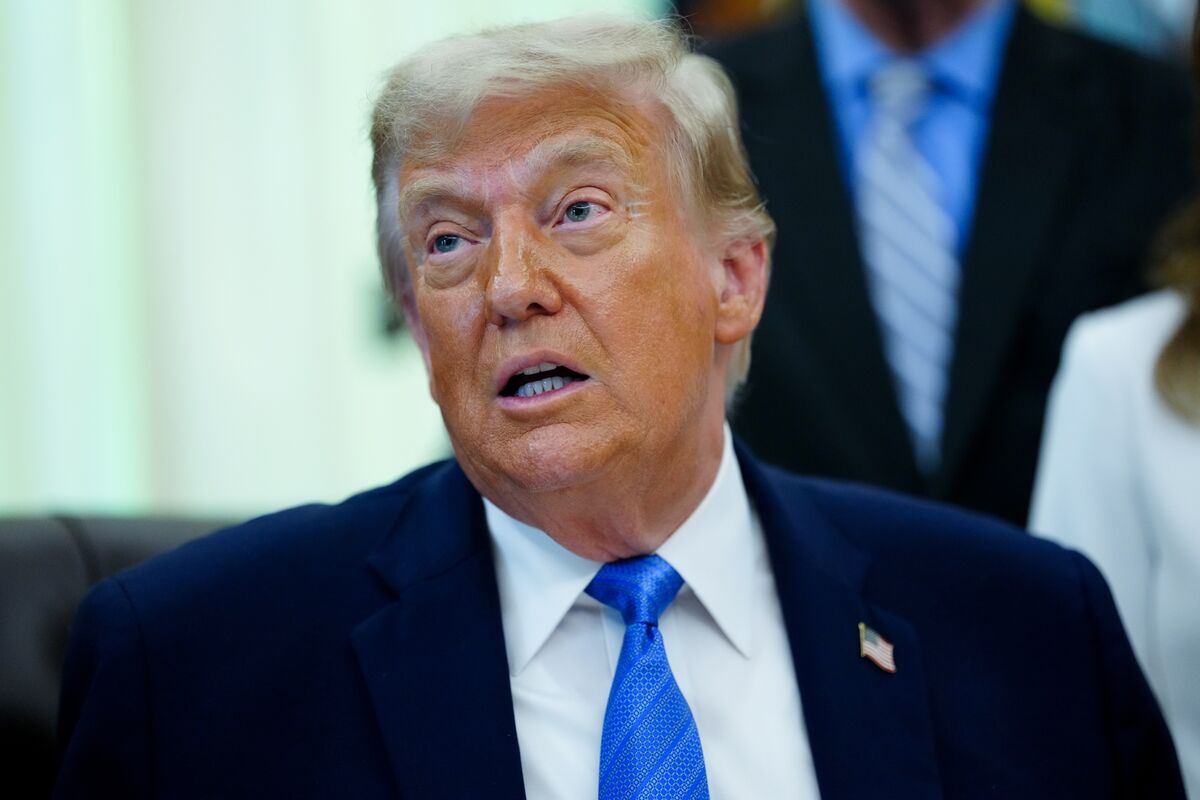
A major legal dispute surrounding a proposed $1.8 billion compensation fund backed by President Donald Trump has intensified after a federal judge extended a court order blocking the initiative and questioned whether the administration had provided sufficient assurances that the plan had been abandoned. Trump has firmly denied accusations that his administration attempted to mislead the court regarding the future of the fund, which has sparked significant political and legal debate across the United States.
The controversy centers on a proposed “Anti-Weaponization Fund,” a compensation program designed to provide financial relief to individuals who claim they were unfairly targeted by politically motivated government investigations. The initiative emerged from a settlement linked to Trump’s long-running legal battle concerning the disclosure of his tax records and related claims against federal agencies.
Court Raises Concerns Over Fund’s Future
The dispute entered a new phase when U.S. District Judge Leonie Brinkema ruled that public statements made by administration officials were not enough to guarantee that the compensation fund would never be revived. The judge noted that although Justice Department representatives had repeatedly indicated that the program would not move forward, formal legal steps had not been taken to permanently terminate it.
As a result, the court issued an indefinite block preventing the establishment or distribution of money from the fund while ongoing litigation continues. The judge also requested sworn declarations from senior administration officials confirming that the program had been definitively abandoned.
The ruling reflected concerns that verbal assurances alone could not eliminate the possibility of the initiative being revived at a later date. According to court proceedings, the administration’s reluctance to provide legally binding commitments contributed to the decision to maintain judicial oversight.
Trump Denies Any Attempt to Mislead the Judiciary
In response to criticism, Trump rejected suggestions that his administration had attempted to deceive or defraud the court. The president maintained that there had been no effort to conceal information regarding the compensation fund and insisted that government officials had acted appropriately throughout the process.
The controversy deepened after seemingly conflicting messages emerged from different parts of the administration. While Justice Department officials informed courts and lawmakers that the fund had effectively been abandoned, Trump continued to speak favorably about the concept in public remarks, creating uncertainty about whether the initiative was truly discontinued.
These mixed signals became a central issue during court hearings, with judges questioning whether the administration’s position had been clearly and formally established. 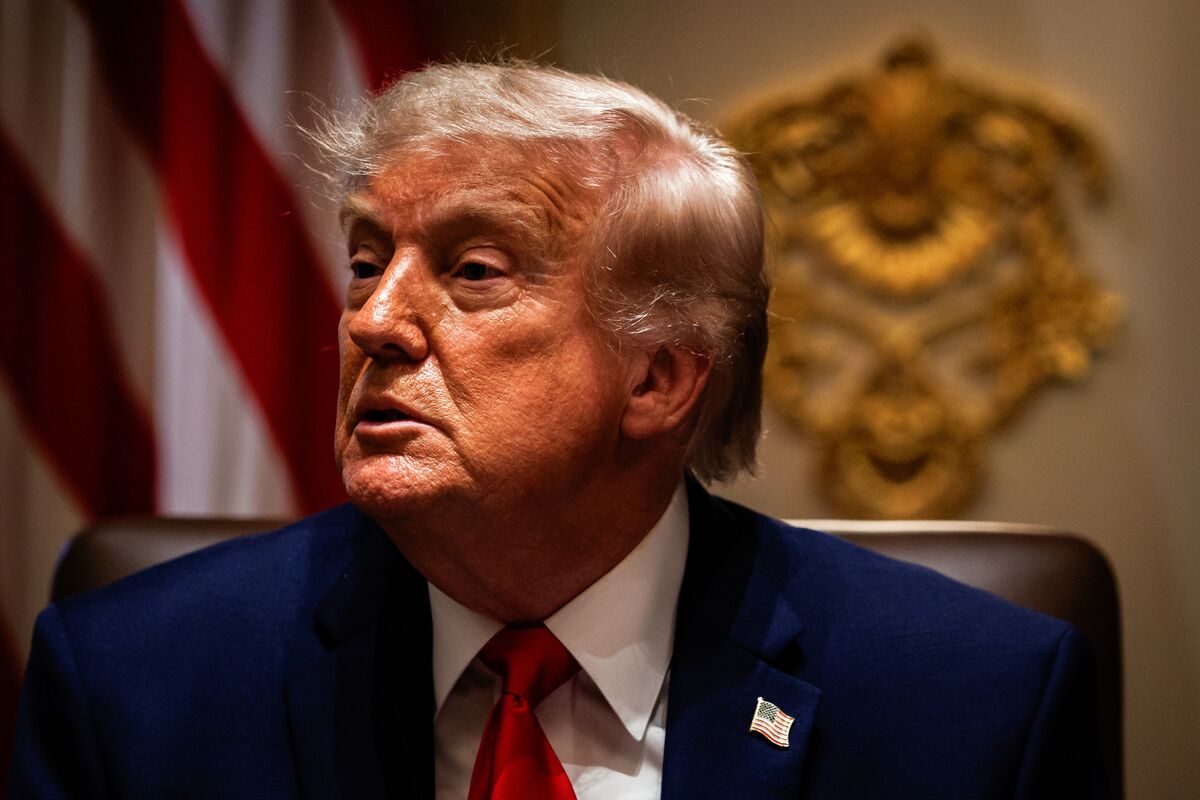
Origins of the $1.8 Billion Fund
The proposed fund traces its origins to a settlement involving Trump’s legal claims against the Internal Revenue Service. The settlement reportedly included provisions that would have created a large pool of money intended to compensate individuals who alleged they had been victims of politically motivated investigations or government actions.
Supporters argued that the program would provide restitution to people who believed they had suffered from government overreach. Critics, however, described the proposal as an unprecedented use of taxpayer resources that could disproportionately benefit individuals politically aligned with Trump.
The initiative quickly drew bipartisan scrutiny, with lawmakers from both major political parties raising concerns about accountability, transparency, and eligibility criteria for potential recipients.
Legal Challenges Continue
Multiple lawsuits have been filed challenging the legality of the compensation fund. Plaintiffs argue that the program would improperly allocate public funds and could create constitutional concerns regarding executive authority and federal spending powers.
Advocacy groups, former government officials, and other plaintiffs have sought judicial intervention to prevent the fund from becoming operational. They contend that allowing the program to proceed could create long-term legal and political consequences while weakening established safeguards governing public expenditures.
Although administration lawyers have repeatedly stated in court filings that the fund is no longer moving forward, judges have continued to seek stronger assurances before dismissing ongoing legal challenges.
Political Fallout and Future Uncertainty
The controversy has generated significant political fallout in Washington, with critics questioning both the origins and administration of the proposed fund. Opposition emerged not only from Democrats but also from some Republican lawmakers concerned about oversight, transparency, and the potential use of taxpayer money.
Despite repeated statements indicating that the initiative has been halted, the court’s latest ruling demonstrates that questions remain regarding its final status. The judge’s demand for sworn declarations suggests that legal scrutiny is likely to continue until formal actions are taken to conclusively end the proposal.
For now, the $1.8 billion compensation fund remains frozen, and the legal battle surrounding it continues to unfold. The outcome could have significant implications for executive authority, government settlements, judicial oversight, and future attempts to establish large-scale compensation programs using federal resources.