
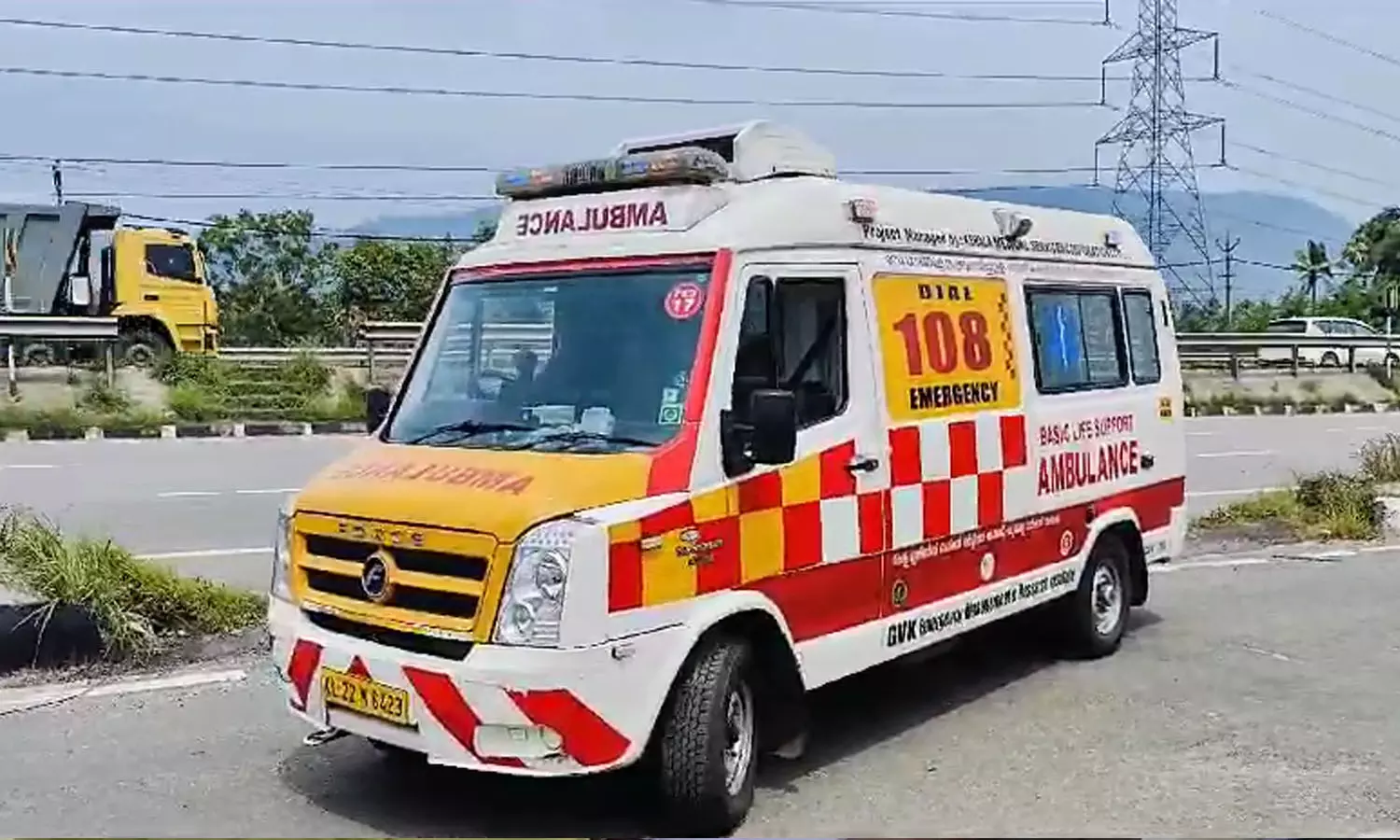
A tragic incident in Kerala’s Attappady region has sparked renewed concerns about emergency medical accessibility in remote and mountainous areas after a critically ill man reportedly died while being transported to a hospital. The ambulance carrying the patient became trapped in heavy traffic along the Attappady ghat road, significantly delaying urgent medical treatment.
The incident has drawn public attention to the challenges faced by emergency services operating in areas where narrow roads, increasing vehicle movement, and inadequate traffic management can turn life-saving journeys into prolonged ordeals.
Critical Medical Emergency Turns Fatal
According to local reports, the patient, a resident of the Attappady region, experienced a serious medical condition that required immediate hospitalization. Family members and healthcare workers acted quickly, arranging for an ambulance to transport him to a higher medical facility capable of providing specialized treatment.
However, the ambulance encountered severe traffic congestion while navigating the winding ghat section of the route. The road, which serves as a crucial connection between remote tribal settlements and urban healthcare centers, was reportedly clogged with vehicles, leaving little room for emergency movement.
Despite efforts by the ambulance crew to move through traffic and reach the hospital as quickly as possible, the delay proved costly. The patient’s condition deteriorated during transit, and he reportedly died before receiving the required advanced medical care.
Concerns Over Emergency Access in Hilly Regions
The tragedy has reignited debates surrounding road infrastructure and emergency response preparedness in Kerala’s hilly and tribal regions. Residents have long expressed concerns about the difficulties ambulances face while navigating congested roads, particularly during peak travel periods.
Attappady, located in the Palakkad district, is home to several remote communities that depend heavily on road connectivity for access to healthcare, education, and essential services. For critically ill patients, every minute can be crucial, making uninterrupted ambulance movement a matter of life and death.
Local residents and community representatives have repeatedly called for improved traffic regulation, better road expansion projects, and dedicated measures to facilitate emergency vehicle passage through busy stretches. 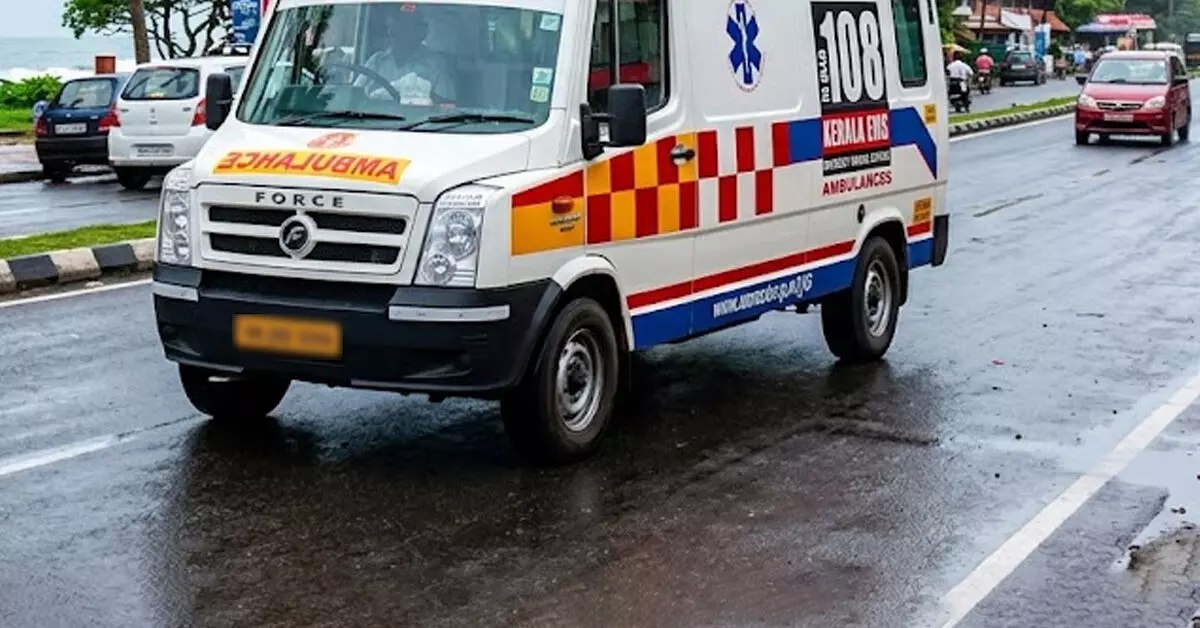
Growing Traffic Pressure on Key Road Networks
The Attappady ghat road has witnessed increasing traffic volumes in recent years. The route serves not only local residents but also commercial vehicles, tourists, and interstate travelers. During busy hours, congestion can become severe, particularly on narrow bends and single-lane sections where overtaking opportunities are limited.
Transportation experts note that emergency vehicles often struggle in such conditions because there are few designated pull-over areas or emergency lanes. Even when motorists attempt to make way, the road geometry can restrict movement, creating unavoidable delays.
The latest incident has highlighted how infrastructure limitations can directly impact emergency healthcare outcomes, especially in geographically challenging regions.
Calls for Administrative Action
Following the death, public demand for immediate corrective measures has intensified. Residents, healthcare advocates, and local leaders are urging authorities to investigate the circumstances surrounding the delay and identify long-term solutions to prevent similar tragedies.
Among the measures being suggested are:
Enhanced traffic management during peak hours.
Creation of emergency vehicle priority corridors.
Expansion and modernization of critical road stretches.
Increased public awareness regarding ambulance right-of-way rules.
Deployment of additional emergency medical facilities closer to remote communities.
Experts argue that strengthening healthcare access in rural and tribal regions requires a coordinated approach involving transport authorities, healthcare departments, and local administrations.
Wider Implications for Public Safety
The incident serves as a stark reminder of the importance of efficient emergency transportation systems. Across many parts of India, ambulance delays caused by traffic congestion continue to pose serious challenges, particularly in regions with difficult terrain and limited infrastructure.
Public health specialists emphasize that reducing response times can significantly improve survival rates during medical emergencies such as heart attacks, strokes, trauma cases, and respiratory distress. Ensuring that ambulances can move without obstruction remains a critical component of an effective healthcare system.
As authorities face mounting questions over the circumstances that led to the fatal delay, the tragedy has intensified calls for stronger infrastructure planning and emergency response mechanisms in Kerala’s remote regions. For many residents, the incident underscores the urgent need to ensure that no life is lost because medical help cannot reach its destination in time.