

The Trinamool Congress (TMC), led by West Bengal Chief Minister Mamata Banerjee, is witnessing a period of significant internal turbulence as speculation surrounding a possible political realignment with the Congress party continues to dominate discussions within political circles. The situation has been further complicated by the emergence of a vocal rebel camp comprising influential leaders and growing dissatisfaction among sections of the party’s leadership.
The developments have sparked intense debate regarding the future direction of the TMC, a party that has played a central role in West Bengal politics for more than a decade and remains a major player in national opposition politics.
Merger Rumours Trigger Political Debate
Recent political developments have fueled speculation about a possible closer relationship between the TMC and the Congress party. While there has been no official confirmation of any merger proposal, discussions surrounding potential cooperation, organizational restructuring, and broader opposition unity have generated considerable attention.
Political observers note that the speculation comes at a time when opposition parties across India are reassessing their strategies ahead of future electoral battles. As regional and national political equations continue to evolve, questions have emerged regarding whether closer coordination between opposition parties could become a necessity in the coming years.
Within the TMC, however, reports of merger discussions have reportedly created unease among several leaders who fear that the party’s independent identity could be diluted if any major organizational changes are considered. 
Senior Leaders Express Concerns
The uncertainty has highlighted existing divisions within the party. Several senior figures are believed to be uncomfortable with the ongoing political narrative and the direction in which the organization may be moving.
Some leaders have reportedly questioned strategic decisions taken in recent months, while others have expressed concerns regarding internal communication and decision-making processes. The debate has intensified following the departure and criticism of certain prominent political figures who have publicly voiced dissatisfaction with the party’s functioning.
Political analysts believe that these concerns are not solely related to merger speculation but also reflect broader issues involving leadership dynamics, organizational control, and the future role of senior party members.
Emergence of a Rebel Camp
One of the most significant developments has been the emergence of a group of influential leaders who are increasingly being viewed as a rebel camp within the TMC. While the party leadership continues to maintain that the organization remains united, signs of internal disagreements have become more visible.
The rebel grouping is reportedly composed of leaders who feel marginalized or dissatisfied with recent political developments. Their concerns range from leadership decisions to electoral strategy and organizational management.
Although there has been no indication of an immediate split, the growing assertiveness of these leaders has created fresh challenges for the party leadership. Political observers suggest that the coming months will be crucial in determining whether these differences can be resolved internally or evolve into a more serious political confrontation.
Leadership Under Pressure
The ongoing developments have placed the spotlight firmly on the leadership of Mamata Banerjee and other senior TMC figures, including party national general secretary Abhishek Banerjee.
Both leaders continue to command significant influence within the organization, but they now face the challenge of maintaining unity while addressing concerns raised by dissatisfied members. Party insiders indicate that efforts are underway to prevent divisions from escalating and to reassure workers about the party’s future direction.
Maintaining organizational cohesion is likely to remain a key priority, particularly as political competition intensifies both within West Bengal and at the national level. 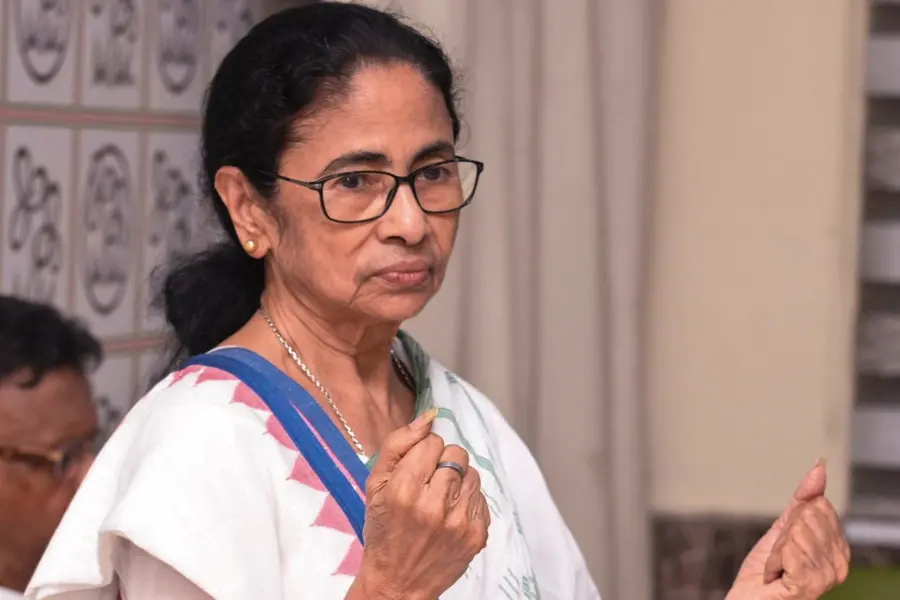
Impact on Opposition Politics
The internal developments within the TMC have broader implications for opposition politics in India. The party has positioned itself as an important force in efforts to build a stronger opposition front against the ruling establishment.
Any prolonged internal instability could affect the party’s ability to play a leadership role in national political alliances. At the same time, uncertainty regarding its relationship with Congress has raised questions about the future structure of opposition cooperation.
Political experts argue that while opposition unity remains a common objective for many parties, balancing regional interests, leadership ambitions, and organizational identities continues to be a major challenge.
What Lies Ahead
As speculation surrounding a possible Congress-TMC realignment continues and internal dissent remains a topic of discussion, the party faces a critical phase in its political journey.
The leadership will need to address concerns within the organization, manage competing political interests, and reinforce confidence among party workers and supporters. Whether the current tensions result in reconciliation, organizational restructuring, or deeper political divisions will likely shape the party’s trajectory in the months ahead.
For now, the TMC remains publicly committed to maintaining unity, but the combination of merger speculation, leadership challenges, and an increasingly visible rebel camp has created one of the most closely watched political developments in contemporary Indian politics.