
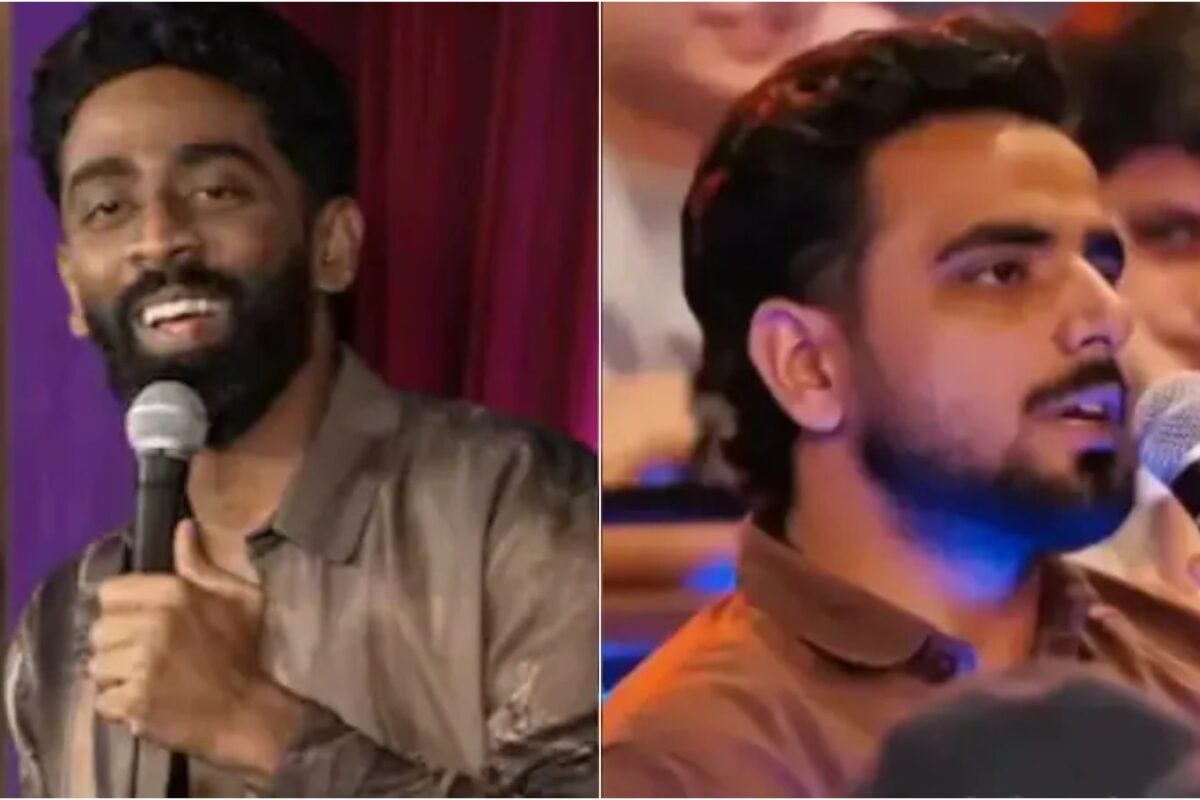
Actor Ranvir Shorey has stepped into an ongoing debate surrounding stand-up comedian Pranit More, urging the public to show greater respect and understanding toward comedians. His remarks come amid a social media storm triggered by a joke involving biryani prices, which sparked criticism, online arguments, and renewed discussions about the limits of comedy and audience sensitivity.
The controversy has become one of the latest examples of how stand-up comedy performances can rapidly evolve into nationwide debates in the digital age, where clips and comments are frequently shared beyond their original context.
Shorey Defends the Role of Comedians
Responding to the criticism directed at Pranit More, Ranvir Shorey expressed concern about the growing tendency to take offense at comedic content. According to the actor, comedians perform an important social role by using humor to comment on everyday experiences, cultural habits, and public behavior.
Shorey emphasized that comedy should not automatically be viewed through the lens of hostility or disrespect. Instead, he argued that audiences should recognize the artistic and satirical nature of stand-up performances, where exaggeration and irony are often central to the craft.
His comments resonated with many social media users who believe comedians should be allowed greater creative freedom without facing disproportionate backlash for jokes intended to entertain rather than offend.
The Pranit More Biryani Controversy
The debate began after a clip featuring comedian Pranit More gained widespread attention online. In the performance, More referenced the cost of biryani in a humorous context, leading to mixed reactions from viewers.
While many audience members viewed the joke as harmless observational comedy, others criticized the content and questioned its appropriateness. As the clip circulated across social media platforms, discussions intensified, with users offering sharply divided opinions.
Supporters argued that the comedian was engaging in a common form of stand-up humor based on everyday experiences and consumer behavior. Critics, however, felt the joke crossed a line or was insensitive, highlighting the increasingly subjective nature of public responses to comedy. 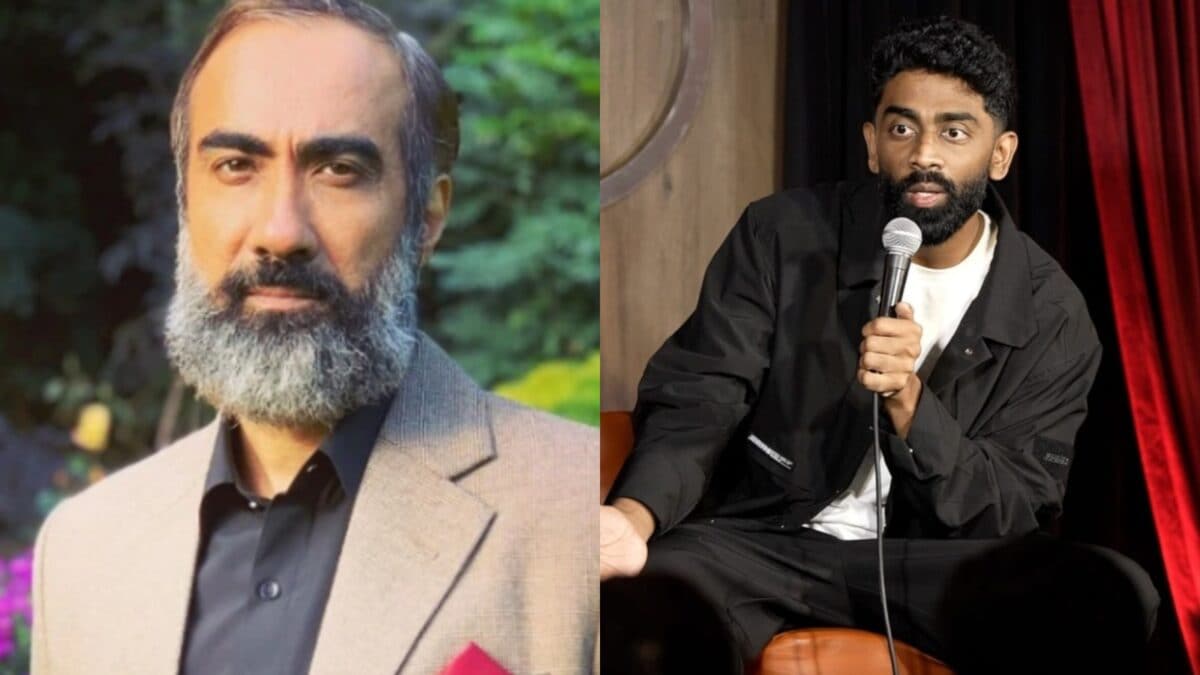
Social Media Amplifies the Debate
The incident quickly evolved beyond the original performance, becoming a broader conversation about freedom of expression, comedy culture, and the pressures faced by entertainers in the age of viral content.
Observers noted that comedians today operate in an environment where isolated clips can be shared widely without the context of a full performance. As a result, jokes designed for a live audience may be interpreted differently when viewed online.
This phenomenon has fueled recurring debates about whether comedians should alter their material to avoid controversy or whether audiences should be more willing to accept satire and humor as part of artistic expression.
Growing Concerns Within the Comedy Community
The controversy has also reignited concerns within India’s comedy community regarding creative freedom. Many performers have previously spoken about the challenges of navigating public sensitivities while maintaining authenticity in their work.
Industry observers point out that stand-up comedy often relies on commentary about everyday life, social behavior, and cultural trends. Consequently, disagreements between performers and audiences are not uncommon.
Supporters of comedians argue that public discourse benefits from humor and satire, while critics maintain that comedians should remain mindful of how their jokes may affect different groups of people.
A Larger Conversation About Entertainment and Expression
Ranvir Shorey’s intervention has added another dimension to the discussion by highlighting the broader issue of how society engages with comedy. His comments suggest that audiences should differentiate between deliberate malice and humorous storytelling intended for entertainment.
The debate surrounding Pranit More’s viral joke reflects a wider cultural conversation taking place across the entertainment industry. As comedians continue to push creative boundaries and audiences become increasingly vocal online, questions about artistic freedom, public responsibility, and the role of humor remain central to the discussion.
For now, the controversy serves as a reminder of the delicate balance between creative expression and audience interpretation in an era where every joke can instantly become a national talking point.