

Israel is facing growing questions over the future of its military operations along the Lebanese border, with security officials and political leaders evaluating whether a broader and longer-term presence in southern Lebanon may be necessary to address ongoing threats.
The debate comes against the backdrop of continued instability in the region, where cross-border hostilities, militant activity, and unresolved security concerns have kept tensions elevated despite diplomatic efforts aimed at reducing the risk of a wider conflict.
Security Concerns Drive Strategic Calculations
Israeli military planners have consistently emphasized the importance of preventing hostile armed groups from establishing operational capabilities near the country’s northern frontier. Officials argue that maintaining a secure buffer against potential attacks remains a central national security objective.
Southern Lebanon has long been a focal point of concern for Israel due to the presence and influence of Hezbollah, the powerful Lebanese armed and political organization. Israeli authorities have repeatedly stated that any resurgence of militant infrastructure near the border could pose a significant threat to civilian communities in northern Israel.
As a result, discussions within Israel increasingly center on whether existing security arrangements are sufficient or whether a more substantial military deployment will be required to ensure long-term stability.
The Legacy of a Volatile Border
The Israel-Lebanon border has experienced decades of periodic conflict, military confrontations, and political tensions. While various ceasefire agreements and international monitoring mechanisms have helped prevent full-scale war at different points, the region remains one of the Middle East’s most sensitive flashpoints.
Military analysts note that previous conflicts demonstrated how quickly localized incidents can escalate into broader confrontations. Consequently, Israeli policymakers are examining multiple scenarios to prevent renewed hostilities while maintaining deterrence.
The question of deeper involvement in southern Lebanon carries significant historical and political weight. Past military operations in the area have shaped regional dynamics and continue to influence contemporary strategic thinking. 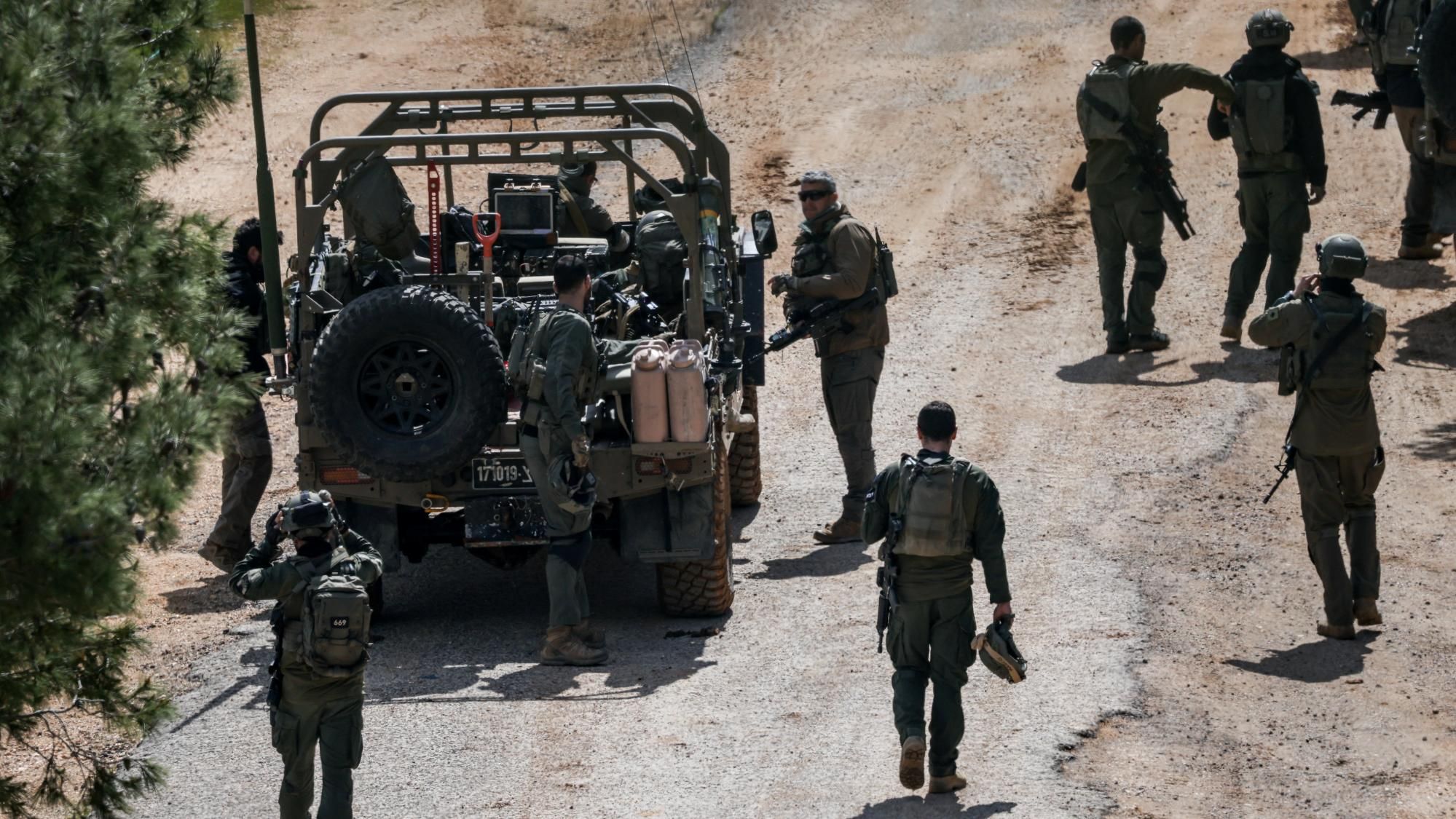
Hezbollah’s Role Remains Central
Any discussion regarding Israel’s future military posture in southern Lebanon inevitably revolves around Hezbollah. The group remains one of the most influential non-state military actors in the region and possesses substantial military capabilities.
Israeli officials view Hezbollah’s presence near the border as a major security challenge. They argue that preventing the group from rebuilding or expanding operational positions close to Israeli territory is critical to maintaining security.
At the same time, observers caution that any expanded Israeli military role could trigger new tensions and complicate efforts to maintain calm along the border. The balance between deterrence and escalation remains a key concern for decision-makers on all sides.
International and Regional Implications
A larger Israeli military presence in southern Lebanon would likely attract significant international attention. Regional governments, global powers, and international organizations continue to closely monitor developments due to concerns that any deterioration in the security situation could have broader consequences for Middle Eastern stability.
Diplomatic efforts remain focused on strengthening existing ceasefire arrangements and encouraging all parties to avoid actions that could reignite large-scale conflict. International stakeholders generally favor solutions that reduce military confrontation while addressing legitimate security concerns.
However, experts acknowledge that achieving a durable security framework remains difficult given the complex political and military realities on the ground.
Challenges Facing Lebanon
Lebanon itself continues to grapple with severe economic and political challenges. The country’s ongoing financial crisis, governance difficulties, and social pressures have weakened state institutions and complicated efforts to exert full control over all parts of the country.
These internal difficulties add another layer of complexity to the security situation in southern Lebanon. Analysts argue that long-term stability will require not only military arrangements but also stronger state institutions capable of maintaining security and enforcing agreements.
The interaction between domestic Lebanese challenges and regional security concerns continues to shape the broader strategic environment. 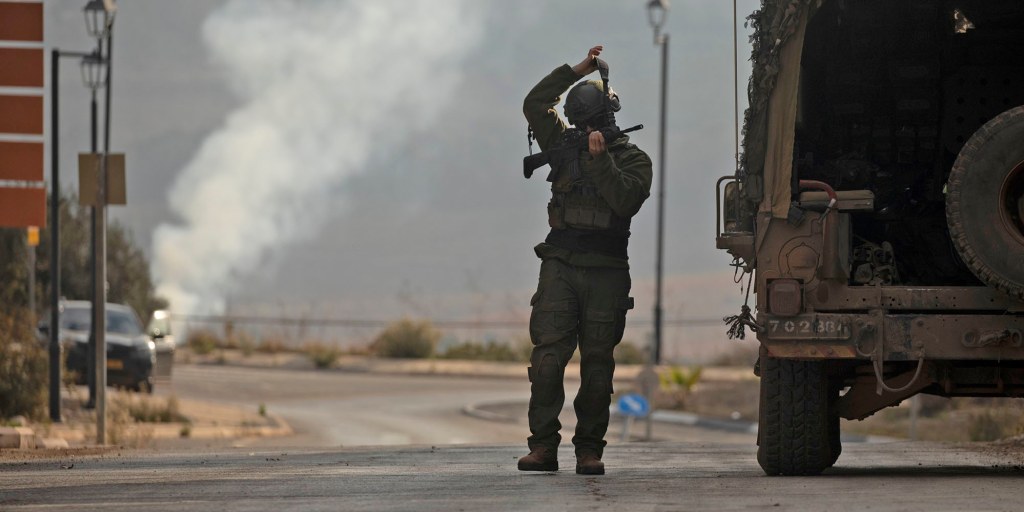
Potential Scenarios Ahead
Several possible paths are being discussed by security experts and policymakers. One option involves maintaining current military deployments while relying on deterrence and intelligence operations. Another scenario could see Israel expanding its military footprint in specific strategic areas to prevent perceived threats from re-emerging.
A third possibility involves increased diplomatic engagement supported by international monitoring mechanisms designed to reduce friction and prevent escalation.
Each option carries distinct risks and benefits. Expanding military operations may provide additional security assurances but could also increase the likelihood of confrontation. Conversely, a lighter military approach may reduce tensions but leave concerns about future threats unresolved.
A Delicate Strategic Decision
Israel’s deliberations over southern Lebanon reflect the broader challenges facing the region, where security imperatives, political realities, and diplomatic considerations often intersect. As officials assess the evolving situation, the decision will likely be influenced by developments on the ground, regional dynamics, and the effectiveness of existing security arrangements.
For now, the future of Israel’s military posture in southern Lebanon remains uncertain. What is clear, however, is that the border region will continue to play a critical role in shaping security calculations for both Israel and Lebanon, with implications extending across the wider Middle East.