
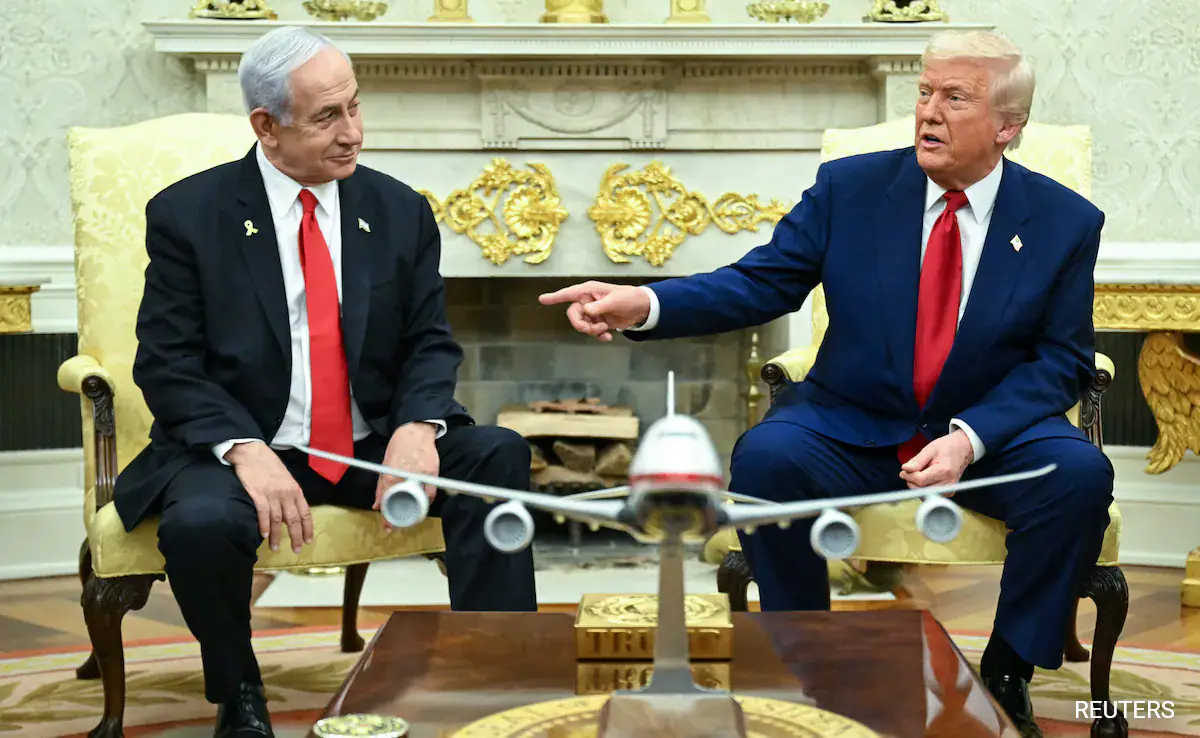
The relationship between former United States President Donald Trump and Israeli Prime Minister Benjamin Netanyahu, once considered one of the strongest political alliances in modern international politics, is increasingly facing new challenges amid changing political realities in both countries. As both leaders navigate uncertain political futures and growing domestic pressures, their strategic priorities appear to be diverging, raising questions about the future direction of US-Israel relations and the broader geopolitical landscape of the Middle East.
For years, Trump and Netanyahu cultivated a close partnership built on shared political objectives, mutual support, and coordinated policy initiatives. During Trump’s presidency, the United States implemented several measures that were widely welcomed by Netanyahu’s government, including recognizing Jerusalem as Israel’s capital, facilitating diplomatic normalization agreements between Israel and several Arab nations, and adopting a tougher stance toward Iran.
However, evolving political circumstances have introduced new complexities into their relationship. Both leaders now face significant domestic challenges, forcing them to focus increasingly on political survival within their respective countries. These pressures have begun influencing policy decisions and public messaging, creating subtle but noticeable differences in their approaches to key regional issues.
Diverging Political Priorities
Political analysts observe that Trump and Netanyahu are operating within dramatically different domestic environments. In the United States, Trump remains a dominant figure in American politics, seeking to maintain support among his political base while addressing voter concerns related to foreign policy, economic issues, and national security.
Meanwhile, Netanyahu continues to confront mounting political scrutiny at home. His government faces criticism over security concerns, ongoing regional conflicts, and internal political divisions. These factors have increased pressure on the Israeli leadership to demonstrate strong decision-making while managing a complex and volatile security environment.
As a result, decisions that once reflected closely aligned political objectives are increasingly being shaped by separate domestic considerations. What benefits one leader politically may not necessarily align with the interests of the other, leading to occasional friction and differing public positions. 
The Impact of Regional Security Challenges
The ongoing instability in the Middle East remains a major factor influencing the relationship between Washington and Jerusalem. Security concerns involving militant groups, regional rivalries, and the broader balance of power continue to dominate political discussions in both countries.
Netanyahu has consistently emphasized Israel’s security needs and the necessity of maintaining a strong military posture against perceived threats. His administration argues that regional security challenges require firm and immediate responses.
Trump, while traditionally supportive of Israel, has increasingly highlighted broader strategic considerations, including reducing long-term foreign entanglements and prioritizing American interests. This approach reflects sentiments among sections of the US electorate that favor a more restrained international role.
These differing perspectives do not necessarily indicate a complete breakdown in relations. Rather, they underscore how shifting political calculations can influence even the strongest alliances.
Domestic Political Survival as a Driving Force
Political survival has become a central theme for both leaders. Trump continues to position himself as a key force within American politics, seeking to strengthen his influence and maintain voter support ahead of future political contests.
Netanyahu, similarly, faces the challenge of preserving political stability while addressing public concerns over security, governance, and economic conditions. In such circumstances, policy decisions often carry both strategic and political significance.
Experts note that leaders under political pressure frequently prioritize actions that reinforce domestic credibility. This can sometimes create tensions with international partners, even when long-standing relationships remain intact. 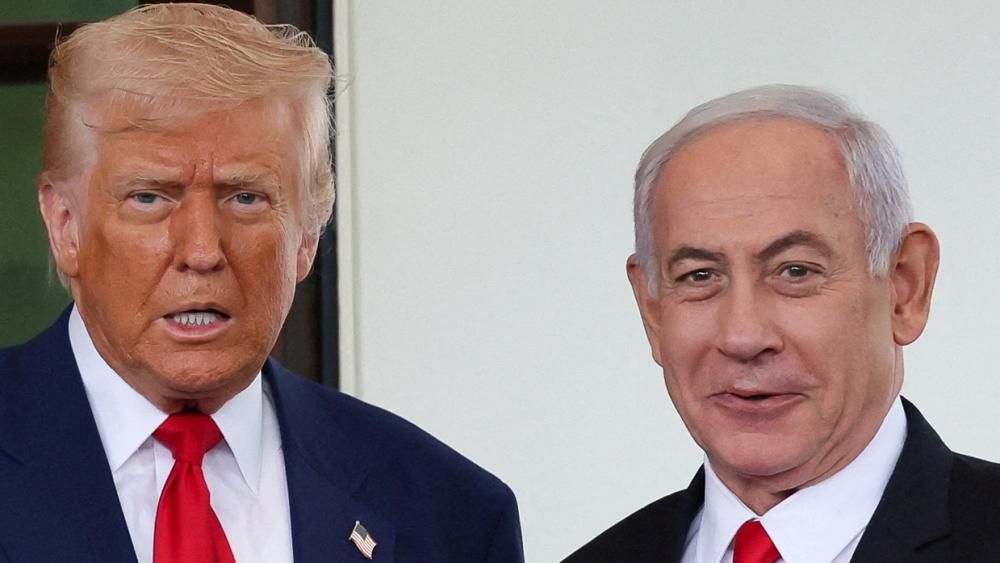
Implications for US-Israel Relations
Despite emerging differences, the strategic partnership between the United States and Israel remains deeply rooted in decades of diplomatic, military, and economic cooperation. Institutional ties between the two countries extend beyond individual leaders and continue to serve as a foundation for bilateral relations.
Nevertheless, changing political dynamics could influence future policy coordination on issues such as regional security, Iran, peace negotiations, and broader Middle Eastern diplomacy. Observers suggest that future cooperation may become more pragmatic and issue-specific rather than being driven primarily by personal political relationships.
The evolving interaction between Trump and Netanyahu also reflects a broader reality in international politics: alliances often adapt to changing domestic and geopolitical conditions. Personal rapport can strengthen diplomatic partnerships, but national interests and political necessities ultimately shape long-term policy decisions.
Looking Ahead
As both leaders confront uncertain political landscapes, their relationship is likely to remain under close scrutiny. The decisions they make in the coming months could have significant implications not only for their political futures but also for regional stability and international diplomacy.
While the partnership between Trump and Netanyahu has historically been defined by close cooperation, current circumstances suggest a more complex phase characterized by strategic recalculations and evolving priorities. The future of their political relationship will depend on how effectively each leader balances domestic pressures with broader geopolitical objectives.
The developments underscore the intricate connection between domestic politics and international relations, illustrating how leadership challenges at home can influence diplomatic relationships on the global stage.