
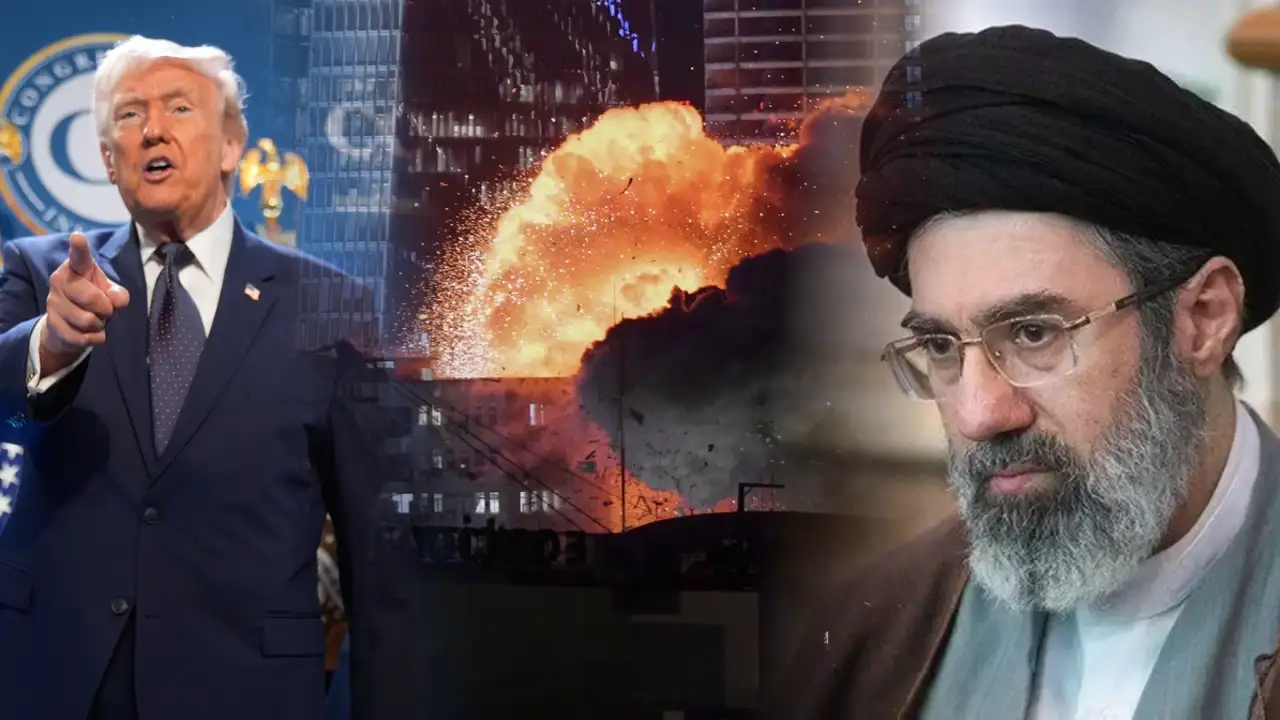
The geopolitical landscape of the Middle East remains under intense global scrutiny as tensions between the United States and Iran continue to shape regional security dynamics. While diplomatic channels remain active, concerns over military escalation, maritime security, and broader regional stability have kept governments and international observers on alert.
Recent developments have underscored the fragile balance between diplomacy and confrontation. Political leaders and security officials across the region are closely monitoring the situation, particularly as discussions surrounding Iran’s nuclear program, military posture, and strategic influence continue to influence international relations.
Diplomatic Engagements Continue
Despite heightened rhetoric and ongoing disagreements, diplomatic efforts aimed at reducing tensions have not entirely ceased. Officials involved in negotiations have continued exploring avenues for dialogue, seeking mechanisms that could prevent further escalation and preserve regional stability.
Analysts note that diplomatic engagement remains crucial, particularly given the potential consequences of any direct military confrontation. The Middle East occupies a strategic position in global trade, energy supply chains, and international security arrangements, making stability in the region a priority for major world powers.
Negotiators are reportedly focusing on confidence-building measures and exploring possibilities for renewed understandings that could ease tensions between Washington and Tehran. However, significant differences remain on key issues, including nuclear activities, sanctions, regional influence, and security guarantees. 
Strategic Importance of the Strait of Hormuz
One of the most sensitive aspects of the ongoing situation is the security of the Strait of Hormuz, a narrow but critically important waterway through which a substantial portion of the world’s oil shipments passes.
Any disruption in this maritime corridor could have immediate consequences for global energy markets, shipping operations, and economic stability. International stakeholders continue to emphasize the importance of maintaining freedom of navigation and ensuring the uninterrupted flow of commercial traffic through the region.
Security experts warn that even limited incidents in the Strait could trigger broader geopolitical repercussions, potentially affecting fuel prices, trade routes, and investor confidence worldwide.
Regional Security Concerns Intensify
The broader Middle East security environment remains complex, with multiple flashpoints contributing to uncertainty. Ongoing military activities, cross-border security concerns, and strategic rivalries have created an atmosphere in which even minor incidents can quickly gain international significance.
Israel’s security posture remains a major factor in regional calculations. Authorities continue to monitor developments closely, particularly regarding activities that could impact national security interests. The interconnected nature of regional conflicts means that events involving one actor can rapidly influence neighboring countries and international alliances.
Observers note that regional governments are increasingly focused on preventing wider instability while simultaneously protecting their strategic interests.
Global Powers Monitor Developments
Major international powers continue to follow the situation closely, recognizing the potential implications for global security and economic stability. Governments across Europe, Asia, and the Middle East have consistently called for restraint and renewed diplomatic engagement.
International organizations and foreign policy experts have emphasized the importance of maintaining communication channels, reducing the risk of miscalculation, and seeking peaceful solutions to longstanding disputes.
The evolving situation has also prompted discussions about the future of regional security frameworks and the role of international cooperation in preventing conflict escalation. 
Economic Implications Remain Significant
Beyond security concerns, the ongoing tensions carry considerable economic implications. Energy markets are particularly sensitive to developments involving the United States, Iran, and the broader Gulf region.
Investors and policymakers continue to evaluate potential risks associated with shipping disruptions, sanctions-related developments, and possible impacts on oil production and exports. Any significant deterioration in the security environment could influence commodity prices and broader economic conditions.
Market analysts stress that uncertainty itself can contribute to volatility, making diplomatic progress an important factor in maintaining economic confidence.
Outlook Remains Uncertain
As diplomatic initiatives continue alongside persistent geopolitical tensions, the future trajectory of US-Iran relations remains uncertain. While efforts to prevent escalation are ongoing, deep-rooted disagreements continue to complicate progress toward a comprehensive resolution.
The coming weeks are expected to be critical as policymakers, diplomats, and regional leaders seek to balance security concerns with the need for sustained dialogue. The outcome of these efforts will likely play a significant role in determining the future stability of the Middle East and its impact on global affairs.
For now, the international community remains focused on encouraging diplomacy, reducing tensions, and preventing developments that could further destabilize one of the world’s most strategically important regions.