
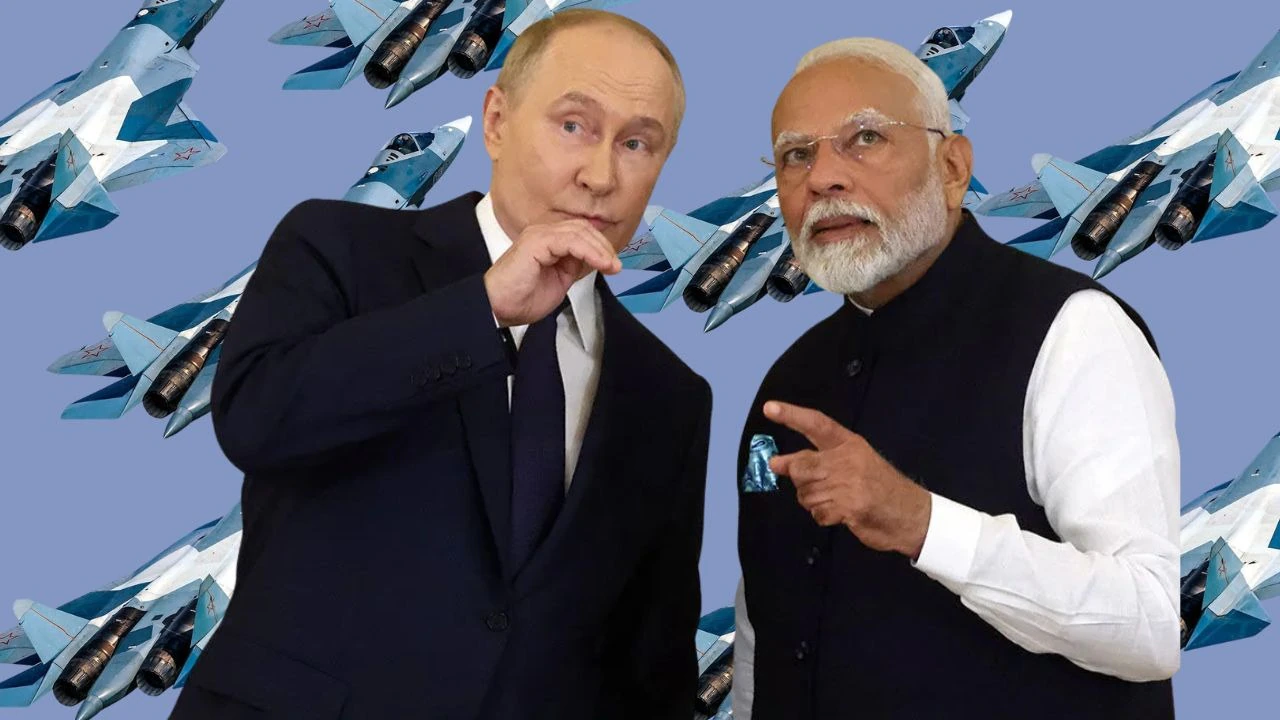
Russia has expressed its willingness to deepen defence cooperation with India by inviting New Delhi to participate in the joint development and production of the Su-57, the country’s flagship fifth-generation stealth fighter aircraft. The proposal, highlighted by Russian President Vladimir Putin, underscores Moscow’s continued commitment to strengthening strategic and technological collaboration with India in the defence sector.
The announcement comes at a time when India is actively evaluating future combat aviation requirements and seeking to enhance indigenous defence manufacturing capabilities through international partnerships. Russia’s offer is being viewed as a significant move aimed at expanding long-standing military cooperation between the two nations.
Putin Highlights Su-57’s Advanced Capabilities
Speaking about Russia’s cutting-edge aviation technology, President Putin described the Su-57 as one of the most advanced fighter aircraft currently available. He emphasized that the platform incorporates fifth-generation technologies, including stealth characteristics, advanced avionics, high maneuverability, and sophisticated combat systems.
According to Russian officials, the aircraft has been designed to perform a wide range of missions, including air superiority operations, precision strikes against ground targets, and engagement in highly contested combat environments. The fighter is also equipped with advanced radar systems and modern weapon integration capabilities intended to enhance operational effectiveness.
Putin asserted that the aircraft represents the pinnacle of Russia’s military aviation achievements and stated that Moscow remains open to collaborative development projects with trusted international partners. 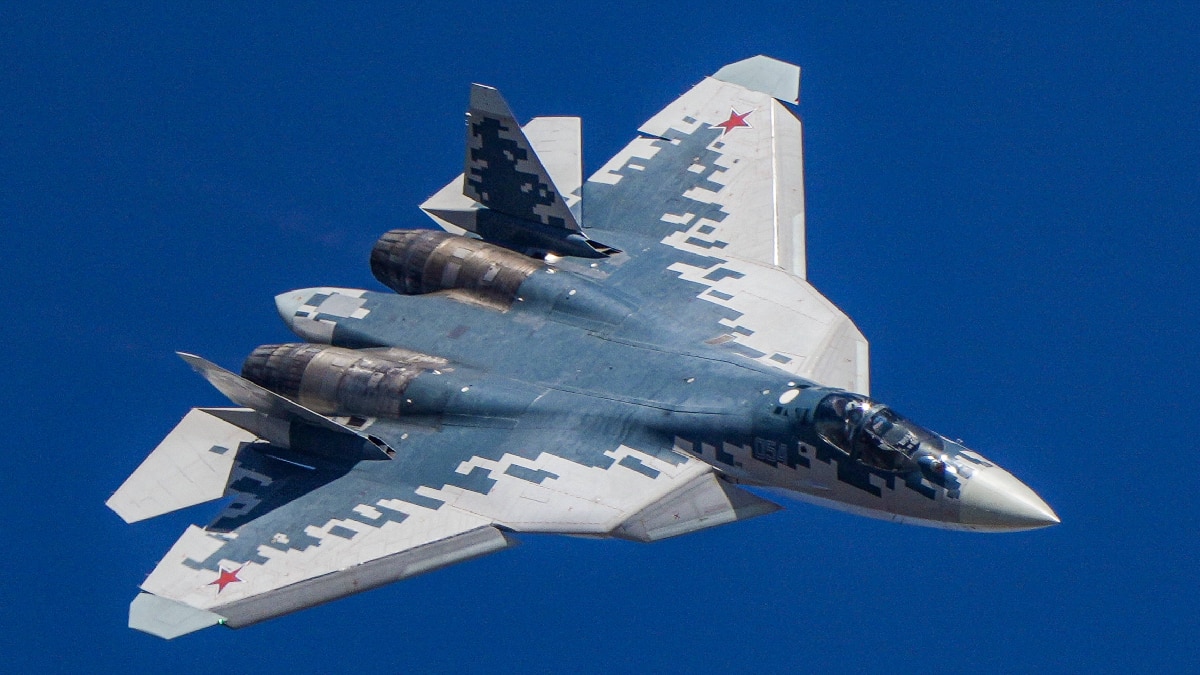
Opportunity for Joint Development
A key aspect of Russia’s proposal involves offering India the opportunity to participate not merely as a customer but as a development and production partner. Such an arrangement could potentially allow Indian defence companies and aerospace manufacturers to gain access to advanced technologies, production expertise, and joint research opportunities.
The proposal aligns with India’s broader objective of boosting domestic defence manufacturing under initiatives aimed at reducing reliance on imports and increasing self-reliance in critical military technologies.
Defence analysts note that joint development programs often provide participating countries with greater control over customization, maintenance, technology transfer, and long-term industrial benefits compared to conventional procurement agreements.
Strategic Importance for India
India’s military modernization efforts have increasingly focused on acquiring advanced combat aircraft capable of addressing evolving security challenges. As regional powers continue investing heavily in next-generation military technologies, the importance of maintaining a technologically advanced air force has become a central element of India’s defence planning.
The possibility of participating in a fifth-generation fighter aircraft program could offer India valuable experience in advanced aerospace engineering, stealth technologies, sensor integration, and future combat systems.
Experts believe that any potential collaboration would likely be evaluated alongside India’s existing indigenous fighter development programs and broader strategic objectives for the Indian Air Force. 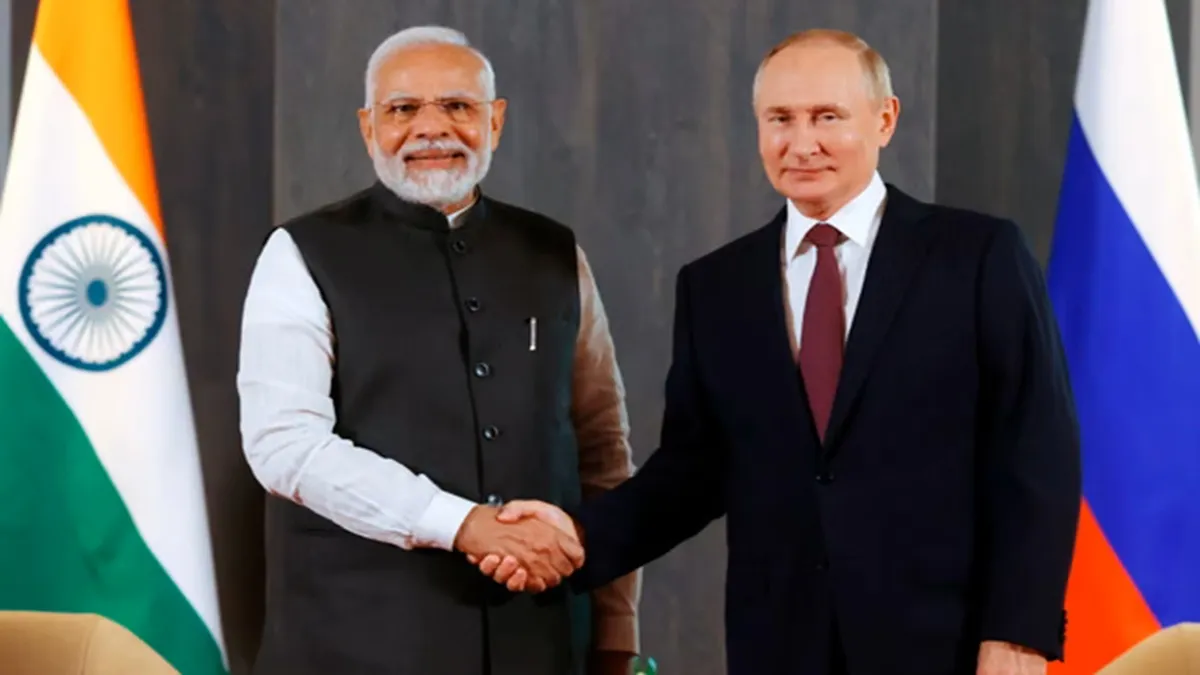
Longstanding Defence Partnership
India and Russia share a decades-long defence relationship that has included cooperation across multiple military platforms, ranging from fighter aircraft and helicopters to missile systems, submarines, and armoured vehicles.
Over the years, the two countries have successfully collaborated on several major defence projects, contributing to military modernization efforts and strengthening bilateral strategic ties. The proposed Su-57 partnership is seen as another potential chapter in this extensive defence relationship.
Russia has consistently identified India as one of its most important defence partners, while India has maintained a diversified approach to military procurement and technological collaboration.
Global Defence Implications
The proposal also carries broader geopolitical significance. Defence cooperation between major powers often extends beyond military procurement, influencing technological development, industrial growth, and strategic alignment.
As countries increasingly prioritize advanced combat aircraft and next-generation defence systems, partnerships involving technology sharing and joint production have become critical components of international defence strategies.
Should discussions progress further, the project could potentially contribute to deeper industrial cooperation, increased technology exchange, and enhanced defence capabilities for both nations.
Looking Ahead
While no final agreement has been announced, Russia’s willingness to jointly develop the Su-57 with India signals continued efforts to expand defence cooperation between the two countries. Any future negotiations would likely focus on technology transfer, production arrangements, operational requirements, and the overall framework for collaboration.
The proposal highlights the growing importance of advanced aerospace technologies in modern defence planning and reinforces the strategic nature of India-Russia military relations as both nations explore opportunities for future cooperation in next-generation defence systems.