
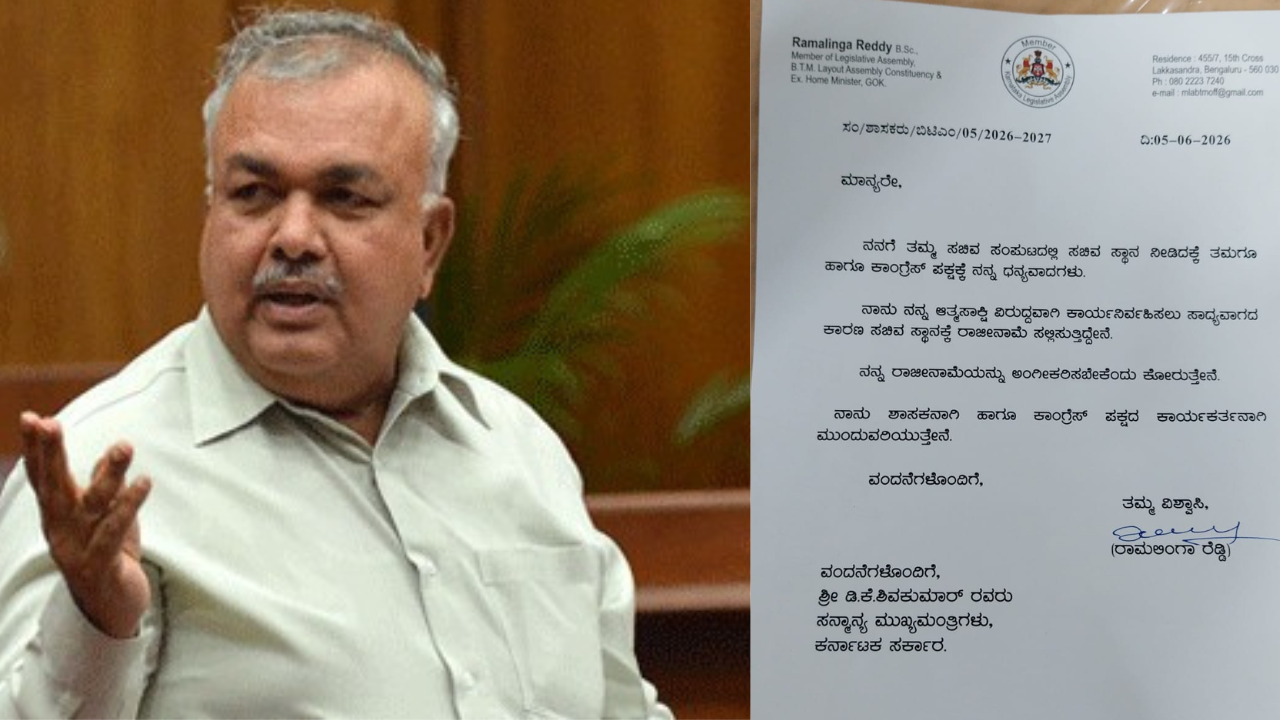
A significant political development unfolded in Karnataka after senior minister Ramalinga Reddy submitted his resignation from the state cabinet, reportedly expressing dissatisfaction over the allocation of portfolios within the government. The move has sparked discussions across political circles and raised questions about internal coordination and power-sharing arrangements within the ruling administration.
The resignation comes at a time when the state government is navigating a range of administrative and political challenges. While cabinet formations and portfolio distributions often involve complex negotiations, the decision of a senior leader to step down over such an issue has attracted considerable attention and is being closely watched by party leaders, opposition groups, and political observers.
Discontent Over Assigned Responsibilities
Sources familiar with the developments indicated that Ramalinga Reddy was unhappy with the responsibilities assigned to him during the latest portfolio allocation exercise. The veteran politician, who has held several important positions in Karnataka politics over the years, reportedly felt that the distribution of departments did not adequately reflect his experience and seniority within the party.
Differences over ministerial assignments are not uncommon in coalition or party-led governments. However, public expressions of dissatisfaction from senior leaders often expose underlying tensions and can create challenges for party leadership seeking to maintain unity and stability.
Reddy’s resignation is believed to be rooted in concerns regarding the significance and scope of the department entrusted to him. Political analysts note that cabinet portfolios are often viewed as indicators of influence and standing within the government, making their allocation a sensitive matter. 
Political Significance of the Resignation
Ramalinga Reddy remains one of Karnataka’s prominent political figures, with a long career in public service and extensive experience in governance. His resignation carries weight because of his stature within the party and his influence in key regions of the state.
The development has generated speculation about possible negotiations between the minister and senior party leadership. Observers suggest that efforts may be undertaken to address his concerns and prevent further escalation of internal disagreements.
Political experts argue that maintaining unity within the cabinet is essential for effective governance. Any perception of dissatisfaction among senior leaders can provide opportunities for opposition parties to question the government’s internal functioning and decision-making process.
Government Leadership Expected to Engage
Following the resignation, attention has shifted to the response from the state’s top leadership. Senior leaders are expected to hold discussions with Ramalinga Reddy in an attempt to understand his concerns and explore possible solutions.
Historically, disputes related to cabinet positions and portfolios have often been resolved through dialogue and adjustments. Whether the current situation follows a similar path remains uncertain, but party insiders indicate that consultations are likely to continue in the coming days.
Government leaders will be keen to ensure that administrative functioning remains unaffected while also addressing concerns raised by experienced members of the cabinet. 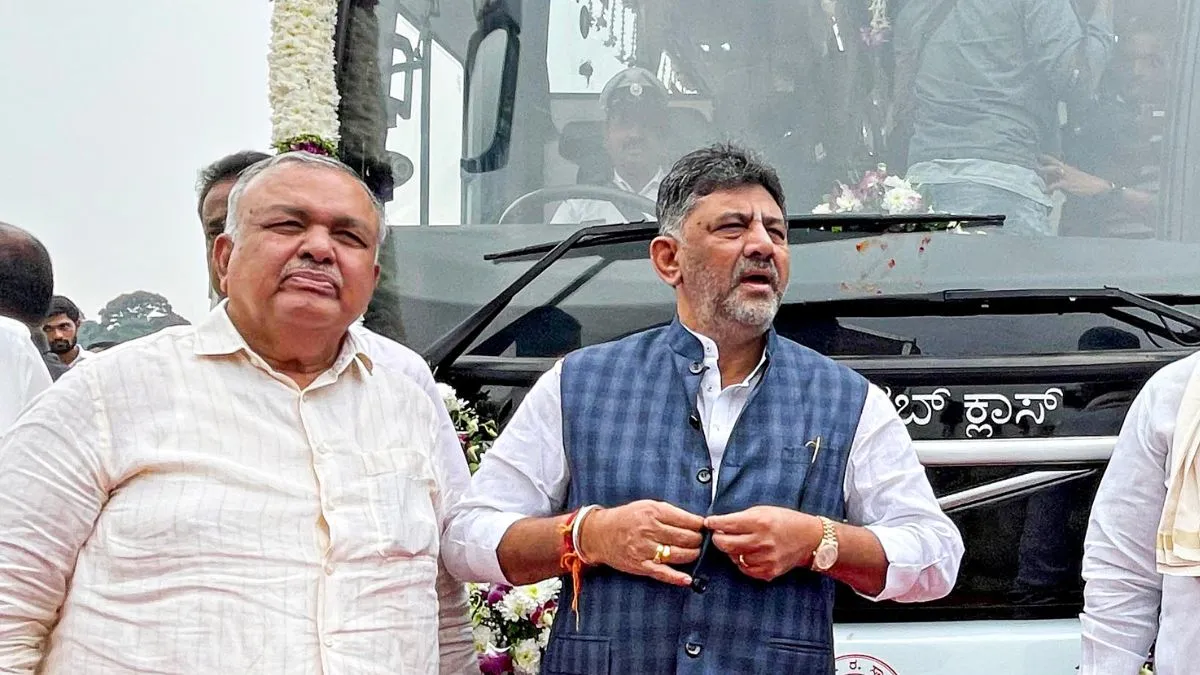
Opposition Reacts to Development
The resignation has also drawn reactions from opposition parties, which have seized upon the episode to criticize the government. Opposition leaders argue that the development reflects dissatisfaction within the ruling establishment and highlights challenges in managing competing interests among senior politicians.
Political commentators, however, caution against drawing immediate conclusions, noting that disagreements over portfolios are a recurring feature of democratic governance and do not necessarily indicate a broader crisis.
Nevertheless, the incident has added a new dimension to Karnataka’s political landscape and is expected to remain a topic of discussion in the state assembly and public discourse.
Implications for Karnataka Politics
The resignation underscores the delicate balance required in cabinet formation and portfolio distribution. Governments often face the challenge of accommodating senior leaders while ensuring effective administrative management and regional representation.
How the leadership responds to Ramalinga Reddy’s concerns could influence perceptions of party cohesion and leadership effectiveness. Any resolution may also set a precedent for handling similar grievances in the future.
For now, the political focus remains on whether discussions between the minister and party leadership can lead to a compromise or whether the resignation marks a more lasting shift within Karnataka’s political dynamics.
As developments continue to unfold, the situation is expected to remain under close scrutiny from political observers and stakeholders across the state.