
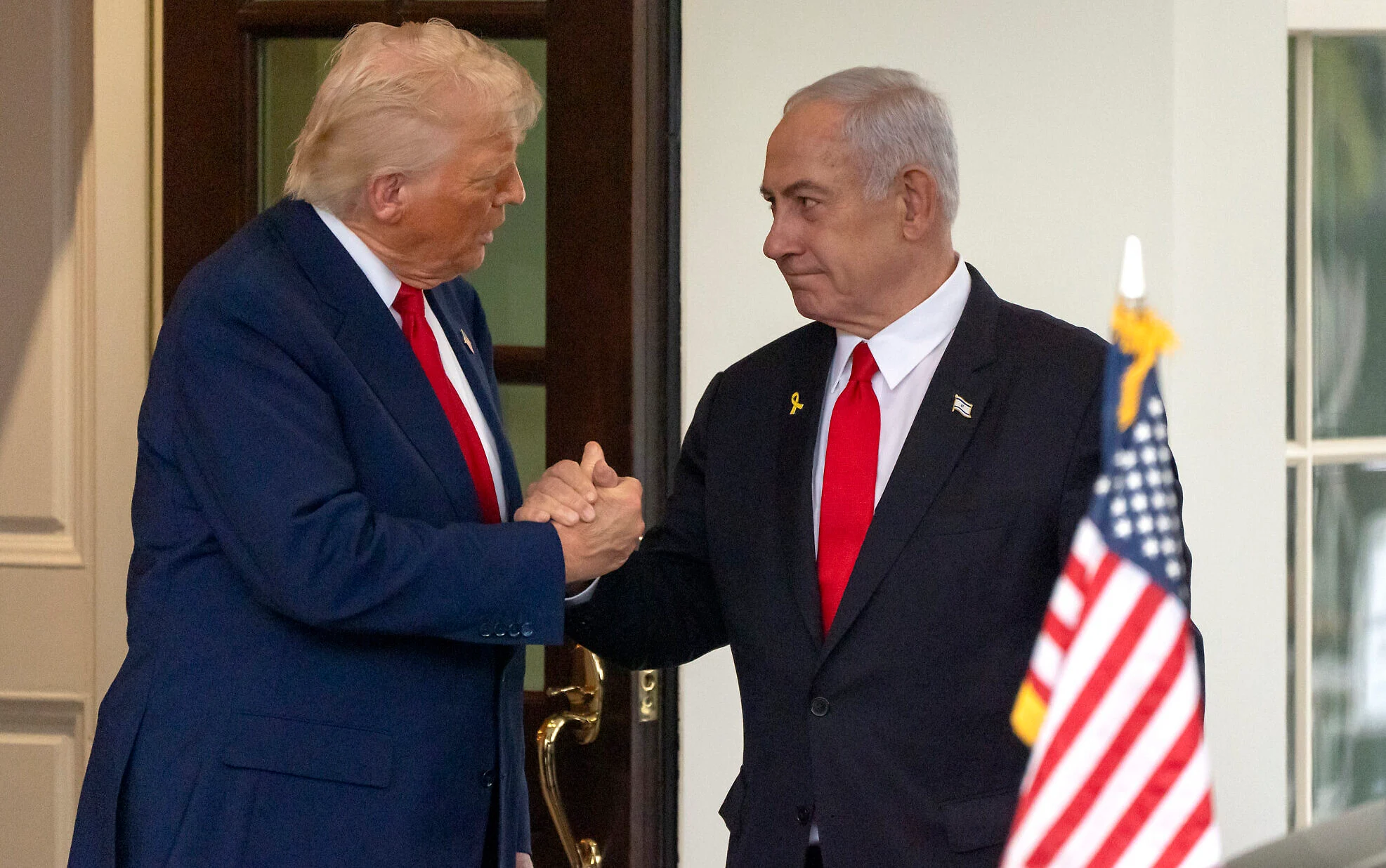
A growing divide between former United States President Donald Trump and Israeli Prime Minister Benjamin Netanyahu has emerged into public view, raising fresh questions about the future of their political alignment amid escalating tensions involving Iran. What was once considered one of the closest political partnerships in recent international politics is now facing increased scrutiny as disagreements over regional strategy and military decision-making become more visible.
The development comes at a sensitive moment for the Middle East, where heightened confrontation involving Iran has placed enormous pressure on regional leaders and their international allies. Analysts say the public acknowledgment of differences between Trump and Netanyahu reflects broader strategic debates about how to respond to Iran’s actions and manage regional security challenges.
Public Remarks Highlight Growing Friction
The latest controversy gained attention after comments attributed to Trump appeared to signal frustration with Netanyahu’s approach during key moments of the ongoing regional crisis. The remarks sparked widespread discussion among political observers, with many interpreting them as evidence that the relationship between the two leaders may no longer be as closely aligned as it once was.
For years, Trump and Netanyahu maintained a strong political partnership characterized by mutual support and cooperation on several major policy initiatives. During Trump’s presidency, the United States adopted a series of decisions widely viewed as favorable to Israel, strengthening ties between Washington and Jerusalem.
However, recent statements suggest that tactical and strategic disagreements may have developed beneath the surface. Political analysts note that while both leaders continue to share concerns regarding Iran’s regional influence and nuclear ambitions, they may differ on the timing, methods, and broader implications of responding to emerging threats. 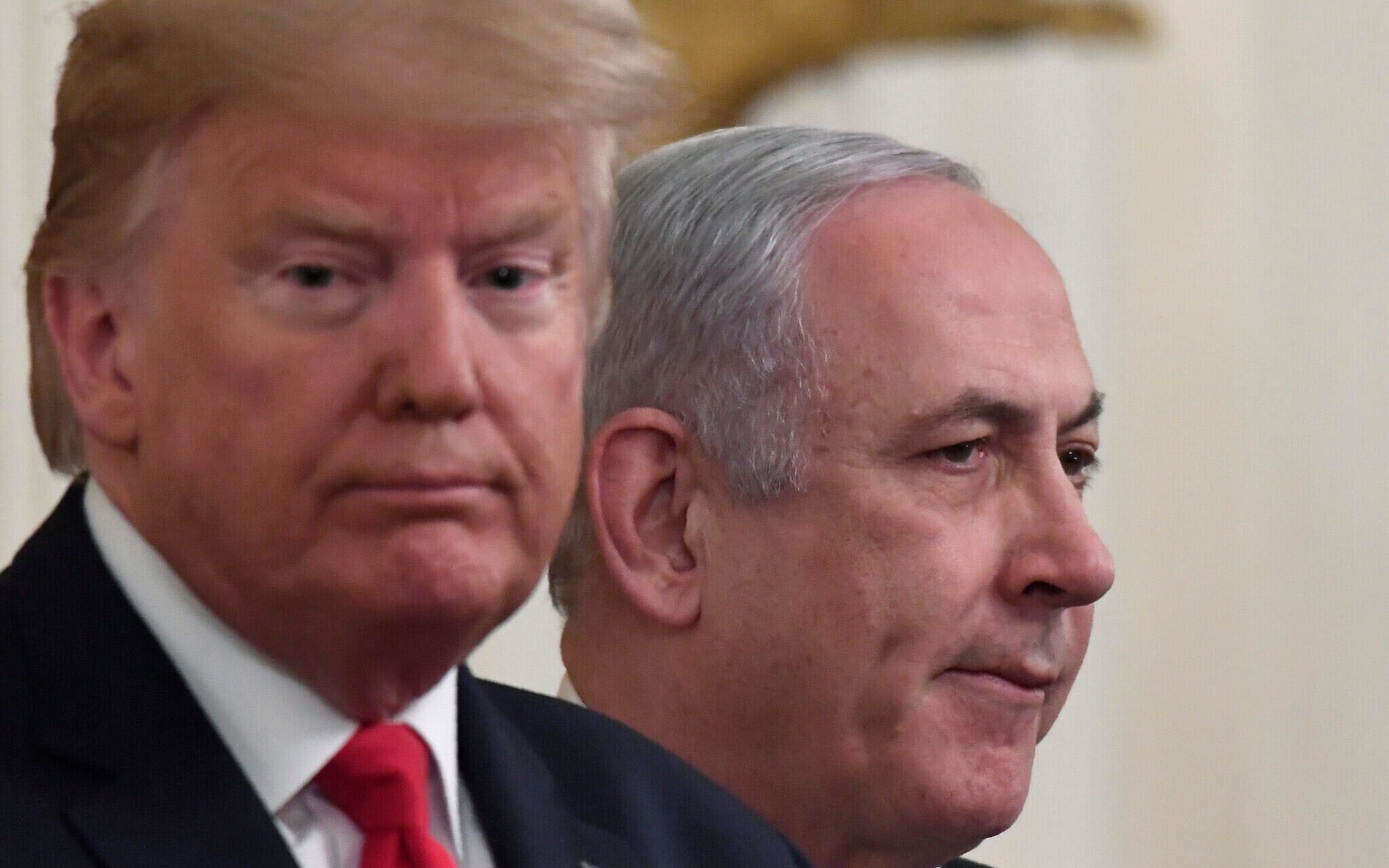
Iran at the Center of Strategic Debate
Iran remains the central issue around which the apparent differences revolve. The country has long been a focal point of both American and Israeli security concerns, particularly regarding its nuclear program, military capabilities, and support for regional proxy groups.
As tensions involving Iran have intensified, policymakers in both the United States and Israel have faced difficult choices regarding deterrence, diplomacy, and military action. Experts suggest that disagreements among allies are not unusual during periods of crisis, especially when decisions carry significant regional and global consequences.
The current situation highlights the complexity of balancing immediate security objectives with long-term geopolitical considerations. While both Trump and Netanyahu have historically advocated strong positions toward Iran, recent developments indicate that their assessments of the best path forward may not be identical.
From Close Allies to Diverging Perspectives
The Trump-Netanyahu relationship was once regarded as one of the defining political partnerships of the late 2010s. The two leaders frequently praised each other publicly and often presented a united front on major international issues.
During that period, several landmark policy decisions reinforced perceptions of close cooperation. The relationship became a symbol of strong US-Israel ties and was often cited as an example of strategic alignment between the two governments.
Yet political relationships built on shared objectives can still encounter tensions when circumstances change. Observers note that evolving regional dynamics, shifting domestic political pressures, and differing assessments of security risks can create new fault lines even among longstanding allies.
The recent public discussion of disagreements has therefore attracted significant attention, as it contrasts sharply with the image of unwavering unity that previously defined the relationship. 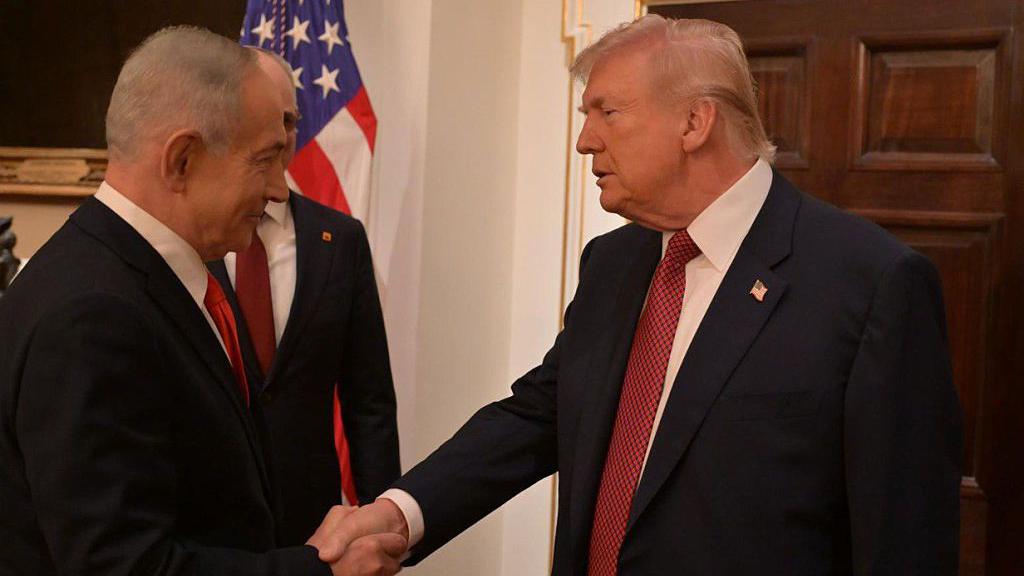
Political and Diplomatic Implications
The emergence of visible differences between Trump and Netanyahu could have broader implications beyond their personal relationship. International observers are closely monitoring whether the disagreements signal deeper policy shifts that may influence future regional diplomacy.
For Israel, maintaining strong support from influential figures in American politics remains a critical strategic priority. For the United States, managing Middle Eastern stability while addressing broader global challenges continues to be a major foreign policy concern.
Experts argue that disagreements over tactics do not necessarily indicate a complete breakdown in relations. Instead, they may reflect differing calculations about how best to achieve shared objectives under increasingly complex circumstances.
Nevertheless, public disputes between prominent leaders can affect diplomatic messaging, shape public perception, and influence political debates both domestically and internationally.
Regional Reactions and International Attention
The apparent rift has generated interest across the Middle East and among global powers closely monitoring developments involving Iran. Governments, security analysts, and diplomatic observers are assessing whether the disagreements could alter regional strategies or affect ongoing efforts to contain tensions.
The Middle East remains one of the world’s most strategically important regions, with conflicts often carrying implications far beyond national borders. As a result, any signs of division among key allies are likely to attract significant international attention.
Analysts caution, however, that tactical disagreements should not automatically be interpreted as a fundamental rupture. Both leaders continue to share concerns regarding regional security, and future developments could either deepen or narrow the differences currently visible.
Looking Ahead
As the Iran-related crisis continues to evolve, the relationship between Trump and Netanyahu is expected to remain under close observation. Political commentators believe future statements and policy decisions will provide a clearer indication of whether the current disagreements represent a temporary divergence or a more significant shift in alignment.
For now, the public acknowledgment of differences has added a new dimension to an already volatile geopolitical landscape. With regional tensions remaining high and global attention focused on developments in the Middle East, the evolving dynamics between the two leaders are likely to remain an important story in international politics.
The coming weeks could prove decisive in determining how these disagreements influence broader strategic calculations and whether long-standing political ties can withstand the pressures created by an increasingly complex regional crisis.