
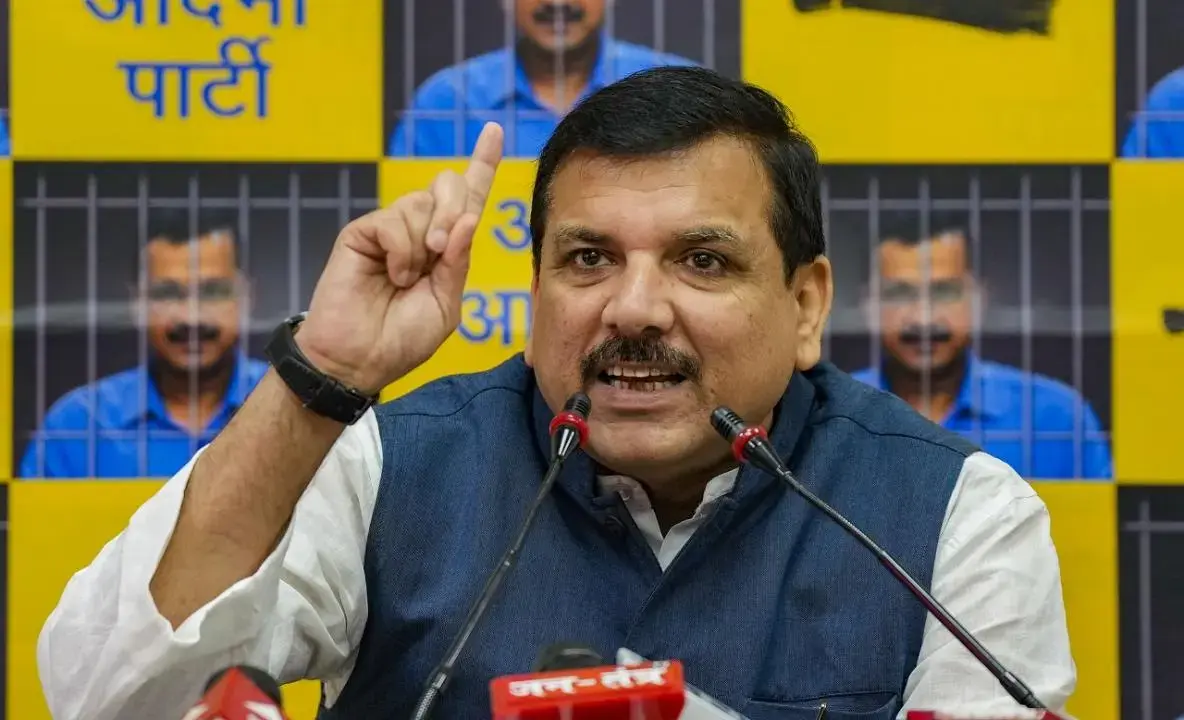
The political battle between the Bharatiya Janata Party (BJP) and opposition parties intensified after Aam Aadmi Party (AAP) leader and Rajya Sabha MP Sanjay Singh accused the ruling party of systematically attempting to weaken regional and opposition forces through engineered political defections and internal divisions.
His remarks came amid growing speculation and reports of unrest within the Trinamool Congress (TMC), led by West Bengal Chief Minister Mamata Banerjee. The developments have triggered a fresh debate over the stability of opposition parties, the future of regional political formations, and the broader health of India’s democratic institutions.
Sanjay Singh Targets BJP Over Alleged Defection Politics
Addressing the ongoing political developments, Sanjay Singh alleged that the BJP has adopted a strategy of breaking rival parties by encouraging defections and exploiting internal disagreements. According to him, opposition parties across the country have repeatedly faced attempts to weaken their organizational strength through political maneuvering.
Singh argued that such tactics are not limited to one state or one party. He claimed that similar political patterns have emerged in several regions where opposition parties have either witnessed mass defections or experienced significant internal challenges shortly before major elections.
The AAP leader maintained that these developments raise serious questions about democratic norms and political ethics. He asserted that elected representatives should respect the mandate given to them by voters rather than switching allegiances for political convenience. 
TMC Under Spotlight Amid Internal Challenges
The controversy gained momentum following visible signs of unease within the Trinamool Congress. The party has recently faced criticism over internal disagreements and reports of growing dissatisfaction among certain sections of its leadership and cadre.
Mamata Banerjee has publicly accused the BJP of attempting to destabilize her party. She alleged that efforts are being made to lure legislators and influential leaders away from the TMC in an attempt to weaken the party’s political standing in West Bengal.
The issue has gained additional significance because West Bengal remains one of the few major states where the BJP and TMC are engaged in a direct and intense political contest. Any shift in political loyalties could potentially influence the state’s future electoral landscape.
Opposition Leaders Raise Concerns Over Democratic Practices
Sanjay Singh’s comments reflect a broader concern frequently expressed by opposition leaders across the country. Several political parties have accused the BJP of using its political strength and influence to encourage defections from rival organizations.
Opposition leaders argue that repeated instances of lawmakers changing parties after being elected on a different political platform undermine public trust in democratic processes. They contend that voters choose candidates based on party ideology, leadership, and policy commitments, making post-election defections a contentious issue.
Supporters of the ruling party, however, reject these allegations. BJP leaders have consistently maintained that politicians who join the party do so voluntarily because they are attracted to its governance model, leadership, and development agenda. 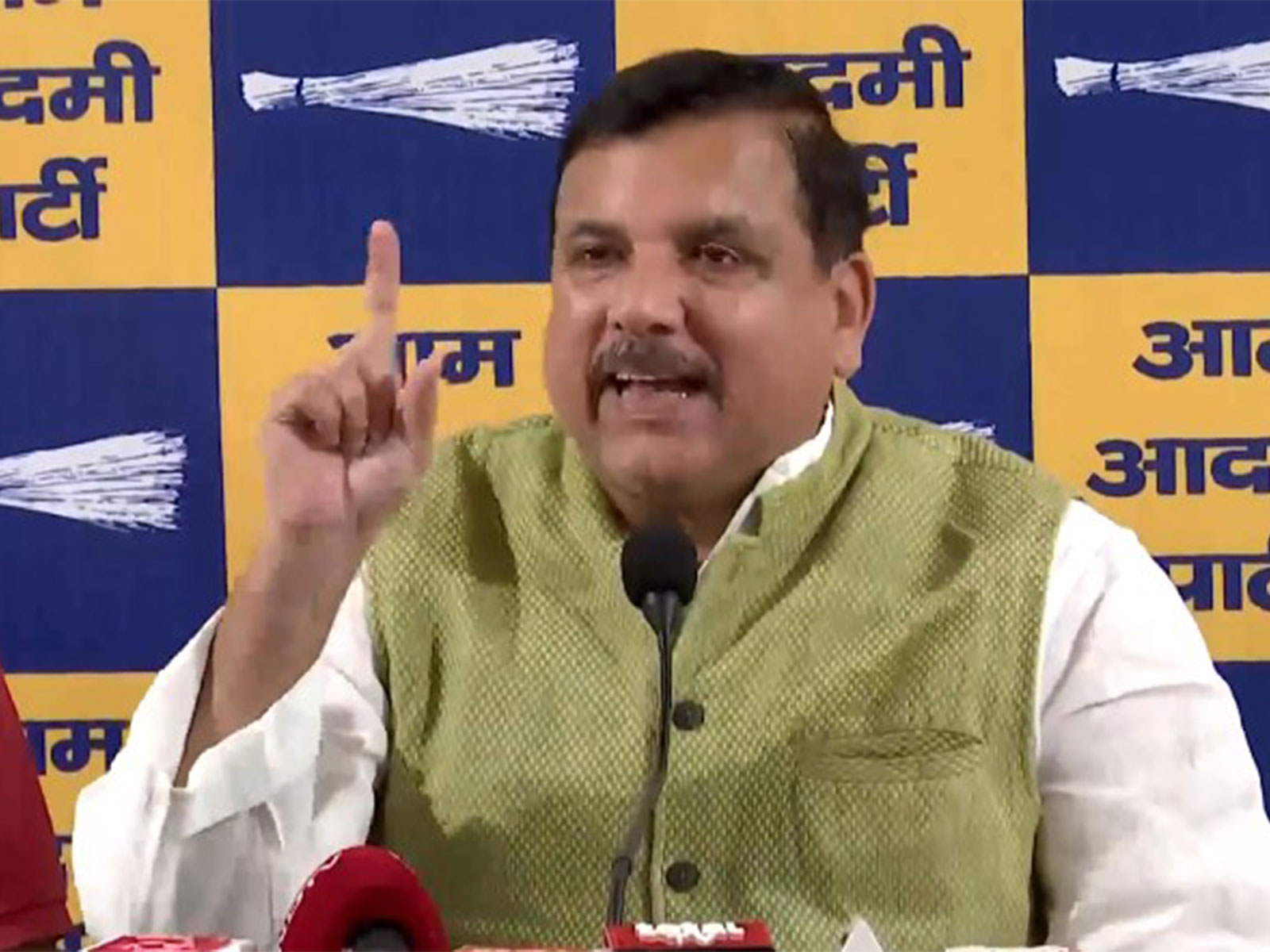
Political Defections Remain a National Debate
The issue of defections has become a recurring feature of Indian politics in recent years. Several state governments and opposition formations have faced challenges after lawmakers switched sides or formed breakaway groups.
Political analysts note that while anti-defection laws exist to discourage such movements, legal interpretations and procedural complexities often lead to prolonged disputes. As a result, allegations of political engineering frequently become part of larger political narratives between ruling and opposition parties.
The latest exchange involving Sanjay Singh and the BJP has once again brought attention to these concerns, particularly at a time when opposition parties are attempting to strengthen coordination against the ruling party at the national level.
Implications for Opposition Unity
The controversy also carries implications for efforts aimed at opposition unity. With multiple regional parties seeking to consolidate their influence ahead of future electoral battles, concerns over defections and political instability remain significant.
Observers believe that maintaining organizational cohesion will be crucial for opposition parties hoping to challenge the BJP’s dominance. At the same time, continued allegations and counter-allegations are likely to further sharpen political polarization across the country.
As the debate unfolds, the accusations made by Sanjay Singh have added another dimension to the ongoing political confrontation between the BJP and opposition parties. Whether these allegations lead to concrete political consequences remains to be seen, but the issue has undoubtedly reignited discussions about party loyalty, democratic accountability, and the evolving nature of Indian politics.