
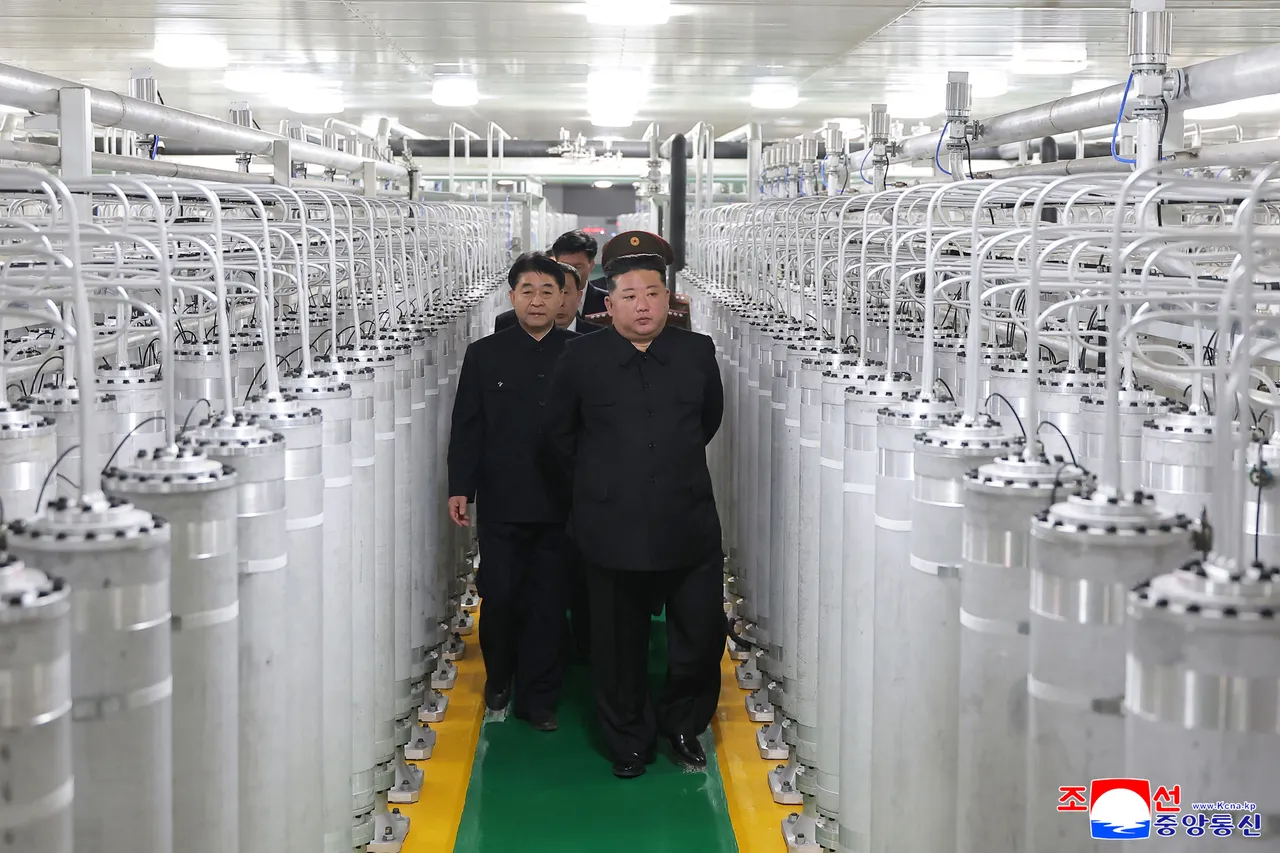
North Korean leader Kim Jong Un has vowed to significantly strengthen the country’s nuclear capabilities, declaring that the nation will pursue an “exponential” increase in its nuclear forces as part of a broader strategy to enhance national defense and deterrence capabilities.
The announcement underscores North Korea’s continued commitment to expanding its military strength despite international sanctions, diplomatic pressure, and growing concerns among neighboring countries and global powers. The declaration comes at a time when security tensions in East Asia remain elevated due to military exercises, missile testing, and ongoing geopolitical rivalries.
Nuclear Development Remains Central to National Security Strategy
Addressing senior military officials and defense personnel, Kim emphasized that nuclear weapons remain a cornerstone of North Korea’s security framework. He argued that the evolving international security environment requires the country to strengthen its strategic capabilities to counter what Pyongyang perceives as external threats.
According to state narratives, North Korea views its nuclear arsenal as a critical deterrent against potential military aggression. Kim reiterated that maintaining a powerful nuclear force is essential to safeguarding national sovereignty and ensuring long-term stability.
His remarks indicate that Pyongyang intends not only to preserve its existing nuclear capabilities but also to accelerate modernization efforts involving advanced missile systems, delivery platforms, and strategic weapons technologies. 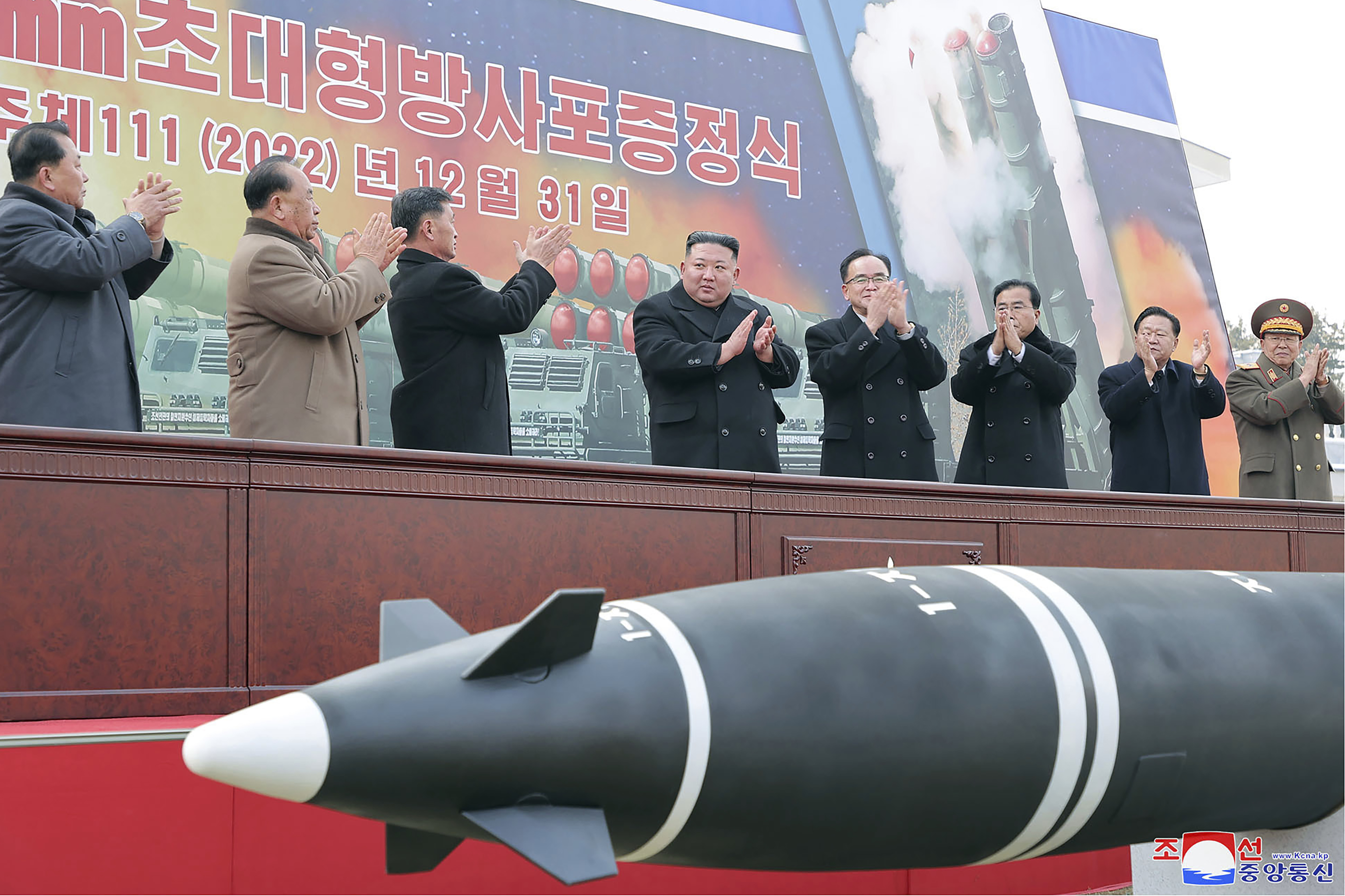
Escalating Military Modernization Efforts
North Korea has invested heavily in military modernization over the past several years, conducting a series of missile tests and unveiling increasingly sophisticated weapons systems. These developments have included intercontinental ballistic missiles (ICBMs), submarine-launched ballistic missiles, and tactical nuclear delivery platforms.
Defense analysts believe the latest pledge reflects the regime’s intention to expand both the size and sophistication of its nuclear arsenal. Such expansion could involve increasing the number of nuclear warheads, enhancing missile accuracy, and improving survivability through mobile launch systems and underground facilities.
The leadership’s emphasis on an “exponential” increase suggests ambitions that go beyond incremental growth, potentially signaling accelerated weapons production and broader deployment capabilities.
Regional Security Concerns Intensify
The announcement is likely to deepen concerns among neighboring countries, particularly South Korea and Japan, both of which have repeatedly expressed alarm over North Korea’s advancing missile and nuclear programs.
Regional governments have argued that continued weapons development threatens stability and raises the risk of military miscalculation. Increased nuclear capabilities could also influence defense planning and security cooperation among countries in the region.
Military officials in neighboring nations have frequently cited North Korea’s weapons development as a primary factor behind efforts to strengthen missile defense systems and expand strategic partnerships with allies. 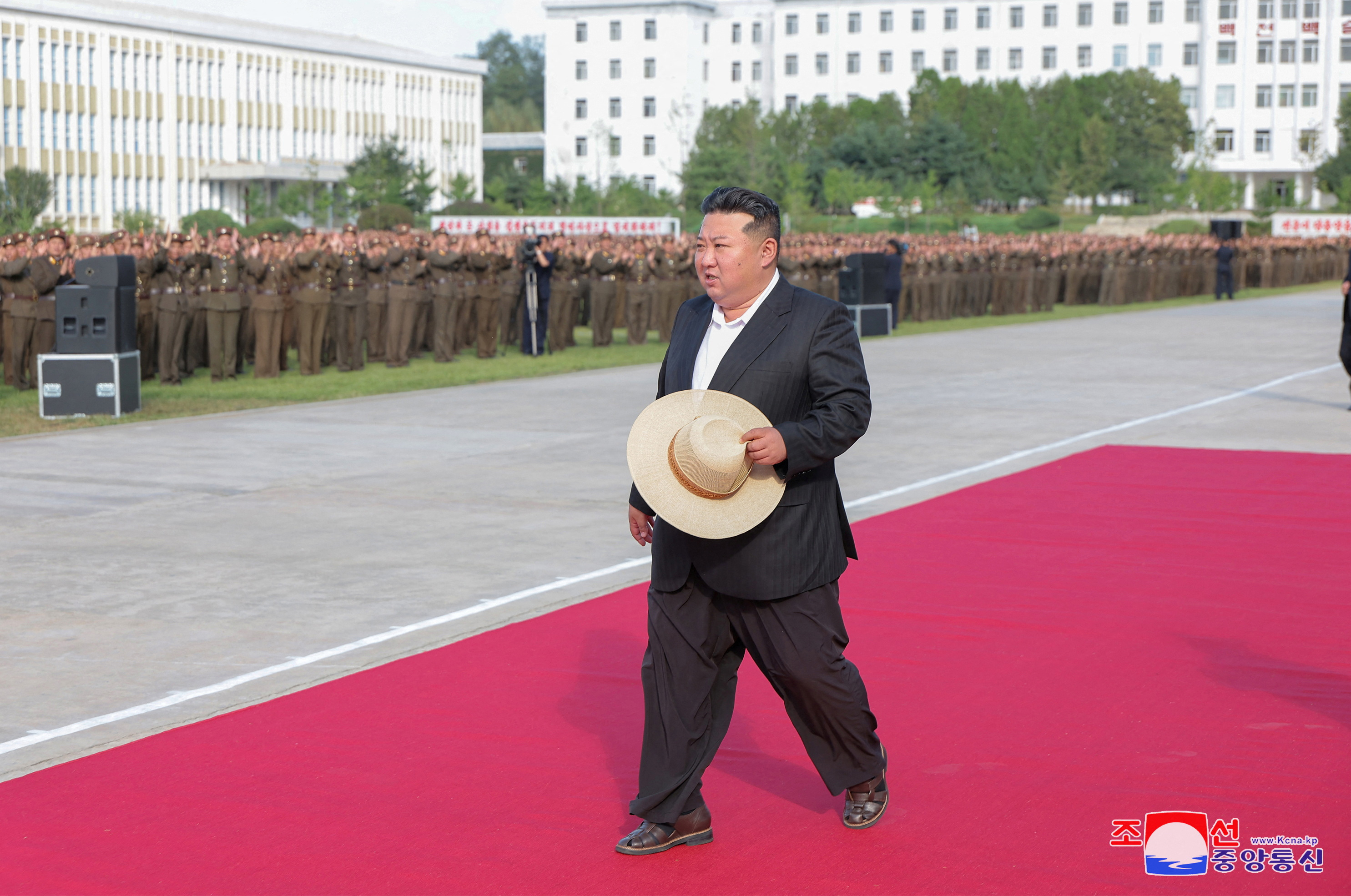
Impact on Relations With the United States
The latest declaration could further complicate relations between North Korea and the United States, where efforts to negotiate limits on Pyongyang’s nuclear program have largely stalled in recent years.
Past diplomatic engagements aimed at achieving denuclearization failed to produce lasting agreements, leaving significant differences between the two sides. While Washington has consistently called for the dismantling of North Korea’s nuclear program, Pyongyang maintains that its weapons are necessary for national defense.
Kim’s latest remarks suggest that North Korea remains committed to expanding rather than reducing its nuclear capabilities, potentially creating new challenges for future diplomatic initiatives.
Strategic Messaging to the International Community
Observers view the statement as both a domestic and international message. Internally, it reinforces the leadership’s narrative that military strength is essential for national survival. Externally, it signals that North Korea intends to maintain a strong negotiating position by continuing to develop strategic weapons capabilities.
The announcement also comes amid a rapidly changing global security landscape, where conflicts and geopolitical rivalries have heightened concerns about military preparedness and deterrence strategies.
By emphasizing nuclear expansion, North Korea appears determined to project strength and demonstrate its ability to respond to perceived security threats despite ongoing economic pressures and international isolation.
Global Implications
North Korea’s commitment to expanding its nuclear arsenal is expected to remain a major concern for the international community. Security experts warn that continued weapons development could fuel regional arms competition, increase diplomatic tensions, and complicate efforts to promote long-term peace and stability on the Korean Peninsula.
As global powers monitor developments closely, the future trajectory of North Korea’s nuclear program will likely remain a key issue in international diplomacy, defense planning, and regional security discussions.
The latest pledge by Kim Jong Un signals that nuclear weapons will continue to play a central role in North Korea’s strategic calculations, with significant implications for East Asian security and the broader international order.