

The United States has proposed fresh trade measures targeting India and 59 other economies, citing concerns over the continued presence of goods linked to forced labour within global supply chains. The move marks a significant development in Washington’s ongoing efforts to tighten trade enforcement and address what it describes as unfair commercial practices affecting American businesses and workers.
According to the proposal, India is among a large group of countries that could face additional import duties as part of a broader trade action initiated under Section 301 of the US Trade Act. The investigation examined whether foreign governments have taken adequate steps to prohibit and effectively enforce bans on goods produced through forced labour practices. US officials concluded that several trading partners, including India, have not implemented sufficient measures to prevent such products from entering international markets.
Background of the Investigation
The investigation was launched earlier this year and covered 60 major trading partners of the United States. These economies collectively account for a significant share of imports entering the American market. US authorities argued that failures to eliminate forced labour-linked products create an uneven playing field by allowing producers to benefit from artificially reduced production costs.
Washington has increasingly framed forced labour as not only a human rights issue but also a trade and economic concern. Officials maintain that goods produced under exploitative labour conditions undermine fair competition and negatively impact domestic industries that comply with higher labour standards.
Proposed Tariffs and Trade Measures
Under the latest proposal, India could face an additional tariff of 12.5 percent on exports entering the United States. The measure is part of a broader package of tariffs affecting dozens of countries identified during the investigation. While some economies may face lower duties, India falls within the category proposed for higher additional tariffs.
The proposed duties are currently subject to a review process that includes public consultation and hearings before any final decision is made. Stakeholders, businesses, industry groups, and foreign governments will have an opportunity to submit comments and present their views on the proposed measures. 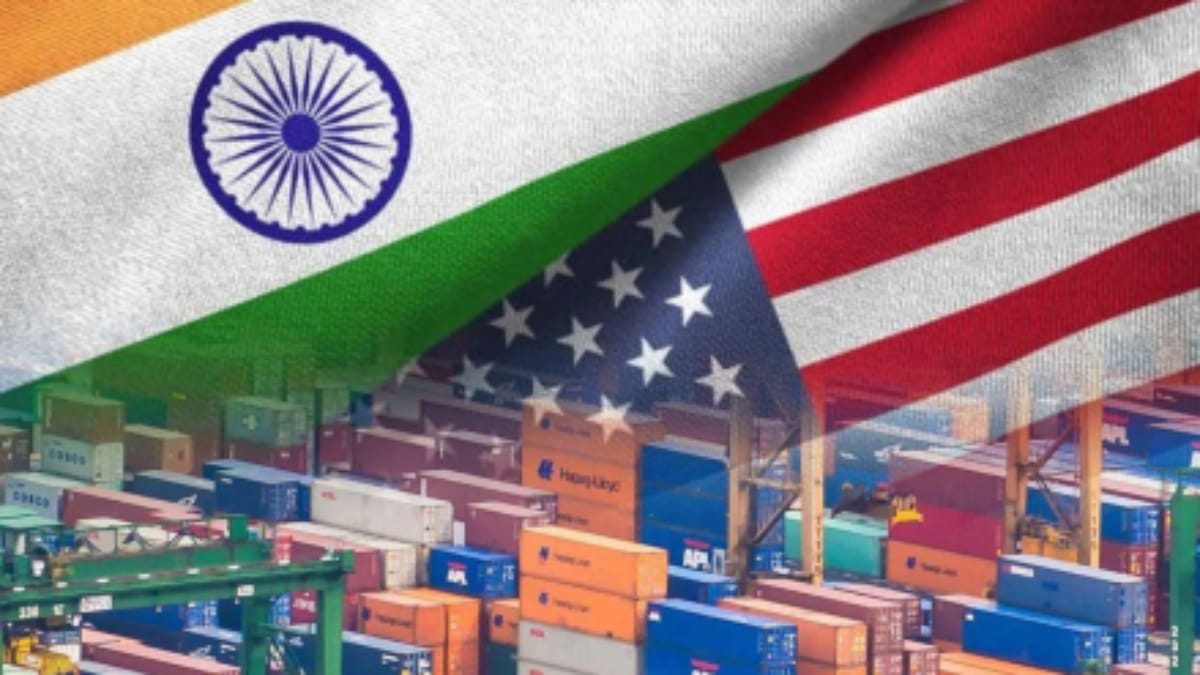
Potential Impact on India
If implemented, the additional tariffs could affect several export-oriented sectors in India that rely heavily on access to the US market. Higher duties may increase the cost of Indian products for American importers and consumers, potentially reducing competitiveness in certain industries.
Trade experts note that the proposal arrives at a time when India and the United States have been seeking to strengthen economic cooperation and expand bilateral trade. Any new trade barriers could introduce fresh challenges into ongoing discussions aimed at enhancing commercial ties between the two countries.
However, the final impact will depend on the scope of the tariffs, possible exemptions, and the outcome of consultations during the review period. Businesses on both sides of the trade relationship are expected to closely monitor developments in the coming weeks.
Section 301 and US Trade Enforcement
The action has been initiated under Section 301 of the US Trade Act of 1974, a legal mechanism that allows the US government to investigate and respond to foreign practices considered unreasonable, discriminatory, or harmful to American commerce. Historically, Section 301 investigations have been used as a basis for imposing tariffs, trade restrictions, and other enforcement measures.
The current proposal is also viewed as part of a broader effort by the US administration to strengthen trade enforcement tools following recent legal challenges to earlier tariff programs. Officials have emphasized that addressing forced labour within international supply chains remains a key policy objective.
Global Implications
The proposed measures extend beyond India and reflect a wider shift in international trade policy where labour standards are increasingly becoming a factor in market access decisions. Governments and exporters across multiple regions may face greater scrutiny regarding supply chain transparency and compliance with labour regulations.
As the consultation process moves forward, the proposal is expected to generate significant debate among policymakers, industry groups, labour advocates, and international trading partners. The final outcome could influence future trade relationships and shape how countries address labour standards within global supply chains.