
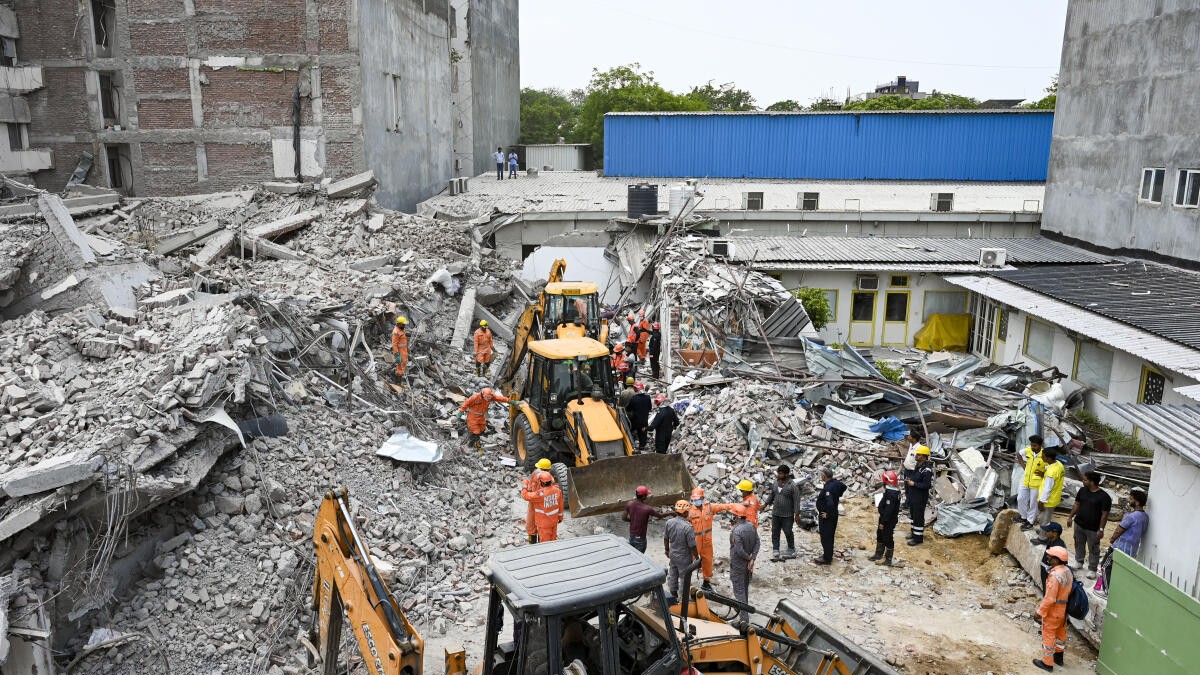
A recent building collapse near the Saket Metro area in South Delhi has sparked serious concerns over construction safety and regulatory compliance after investigators found that two additional floors had been added to the structure shortly before the incident.
According to preliminary findings from civic authorities, the multi-storey building located in Saidulajab village had undergone significant structural modifications in recent months. Officials examining the collapse discovered that the property had been expanded vertically with the addition of two new floors, raising questions about whether the construction work adhered to approved building norms and safety standards.
Investigation Reveals Recent Structural Changes
The incident triggered an immediate response from municipal officials, engineers, and disaster management teams. During the initial assessment, authorities reviewed building records and conducted on-site inspections to determine the possible causes behind the collapse.
Investigators found evidence suggesting that the structure had recently been modified, with two extra floors reportedly constructed above the original building. Experts are now examining whether the existing foundation and load-bearing elements were capable of supporting the increased weight imposed by the new construction.
Structural engineers involved in the investigation are expected to analyze the quality of construction materials, design specifications, and compliance with approved building plans. Authorities believe these factors will play a crucial role in understanding what led to the failure of the structure.
Concerns Over Unauthorized Construction
The collapse has once again highlighted the growing challenge of unauthorized construction in densely populated urban areas. In many older neighborhoods, property owners often undertake vertical expansions to maximize space and accommodate increasing residential or commercial needs.
However, experts warn that such additions can place excessive pressure on foundations and supporting columns if they are not designed to handle the additional load. Unauthorized modifications may also bypass mandatory safety inspections, increasing the risk of structural failures.
Officials are investigating whether the recently added floors had received the necessary approvals and whether construction regulations were followed during the expansion process. 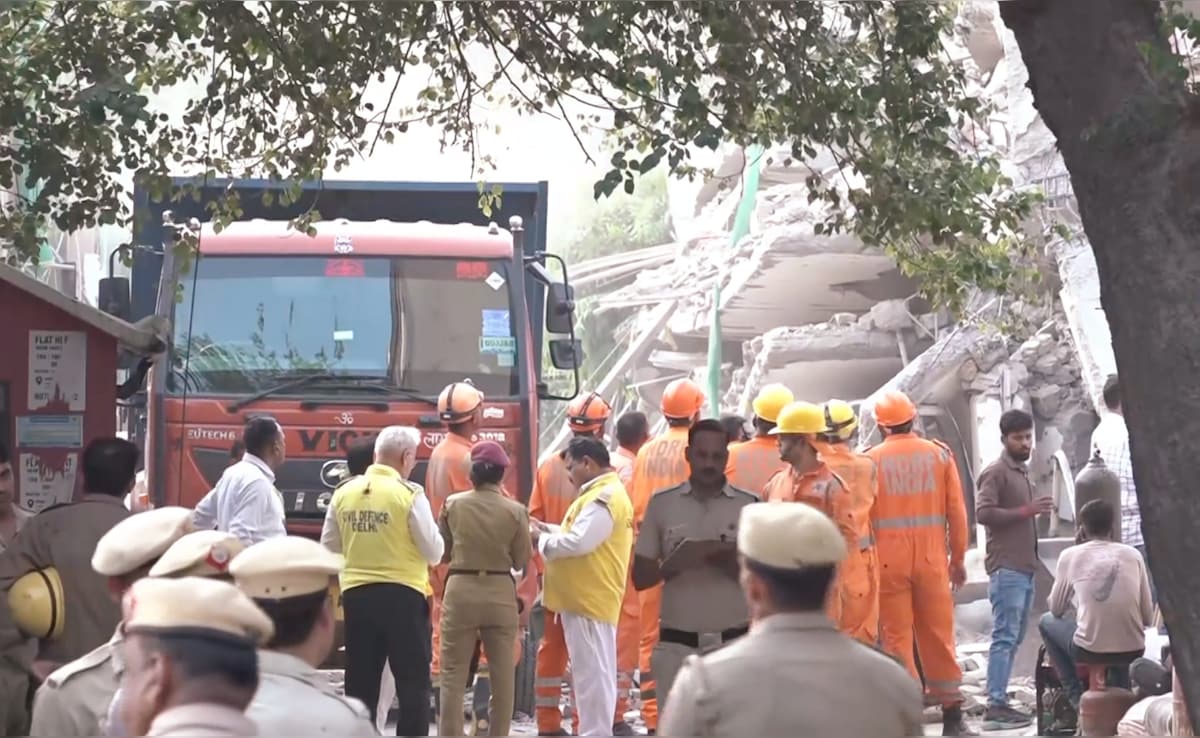
Rescue and Emergency Response
Following the collapse, emergency services rushed to the site and launched rescue operations to search for individuals who may have been trapped beneath the debris. Teams from disaster response agencies, local authorities, and emergency medical services coordinated efforts to clear rubble and assist affected residents.
Heavy machinery and specialized rescue equipment were deployed to remove debris carefully while minimizing risks to survivors and rescue personnel. Authorities maintained a security perimeter around the site to facilitate emergency operations and ensure public safety.
Civic Authorities Under Scrutiny
The incident has also brought renewed attention to the role of civic agencies responsible for monitoring construction activities and enforcing building regulations. Questions are being raised about whether adequate inspections were conducted and if warning signs regarding structural safety were overlooked.
Urban planning experts argue that stronger enforcement mechanisms, regular inspections, and stricter penalties for illegal construction are necessary to prevent similar tragedies in the future.
Authorities are expected to review documentation related to the building’s construction history and identify any violations that may have contributed to the collapse. If regulatory breaches are confirmed, further legal and administrative action could follow.
Growing Urban Safety Challenge
As Delhi continues to experience rapid urbanization and increasing demand for housing, incidents involving structural failures have become a recurring concern. Experts emphasize that ensuring compliance with engineering standards is critical, particularly in older localities where buildings may already face age-related structural stress.
The latest collapse serves as a reminder of the importance of responsible urban development and rigorous safety oversight. Investigators are expected to submit a detailed report once technical examinations are completed, providing greater clarity on the exact sequence of events that led to the tragedy.
Conclusion
The collapse of the Saidulajab building near Saket Metro has intensified concerns about unauthorized construction practices and urban safety standards in the capital. With evidence pointing to the recent addition of two extra floors, authorities are focusing on whether structural modifications exceeded the building’s capacity and violated regulatory norms. The findings of the ongoing investigation are likely to influence future enforcement measures aimed at improving building safety and preventing similar incidents.