

A fresh political controversy has erupted over the Central Board of Secondary Education’s (CBSE) handling of the Class 12 Open Schooling and Migration (OSM) matter after Congress leader Rahul Gandhi raised concerns about alleged irregularities and “massive tampering” in the examination and evaluation process. The issue has triggered a sharp exchange between the opposition and the ruling establishment, with the government rejecting the allegations as “misleading claims” and defending the integrity of the education system.
The controversy has quickly gained national attention, especially among students, parents, and education stakeholders, as questions surrounding transparency, fairness, and accountability in board examinations once again dominate public discourse.
Rahul Gandhi Raises Four Key Questions
Rahul Gandhi intensified the debate by publicly questioning the CBSE and the central government over what he described as inconsistencies in the handling of the OSM-related processes. He alleged that students and parents were facing confusion and uncertainty due to a lack of clarity regarding evaluation standards, record handling, and administrative procedures.
In his remarks, Gandhi posed four major questions to the authorities, demanding transparency and accountability. These questions reportedly focused on:
The alleged discrepancies in academic records and evaluation procedures.
The process through which data and results were handled.
The safeguards in place to prevent manipulation or irregularities.
The steps being taken to ensure fairness for affected students.
The Congress leader argued that students’ futures should not become casualties of administrative negligence or political defensiveness. He also called for an independent clarification to restore confidence among students and parents.
Government Rejects Allegations
The Centre and officials associated with the education system strongly denied the accusations, terming them “misleading” and politically motivated. Authorities maintained that the CBSE examination and evaluation process follows strict procedural safeguards and multiple verification mechanisms designed to prevent any form of tampering.
Government representatives stated that the claims lacked factual backing and risked creating unnecessary panic among lakhs of students awaiting clarity regarding their academic records and results. Officials emphasized that all established protocols were followed and that there was no evidence of systemic manipulation.
According to the official response, the board’s systems include digital tracking, layered verification, and administrative oversight aimed at ensuring transparency and accuracy throughout the examination process.
Political Battle Intensifies
The controversy has rapidly evolved into a wider political confrontation between the Congress party and the Bharatiya Janata Party (BJP). Opposition leaders accused the government of attempting to dismiss legitimate concerns instead of addressing questions raised by students and families.
Meanwhile, BJP leaders countered that the allegations were part of a broader political strategy to undermine public institutions and create distrust around national examination bodies. They argued that sensitive education-related matters should not be politicized without concrete evidence.
The issue has also generated intense debate on social media, where students, parents, teachers, and political supporters have expressed differing opinions. Some demanded greater transparency and independent review mechanisms, while others warned against spreading unverified claims that could increase anxiety among students. 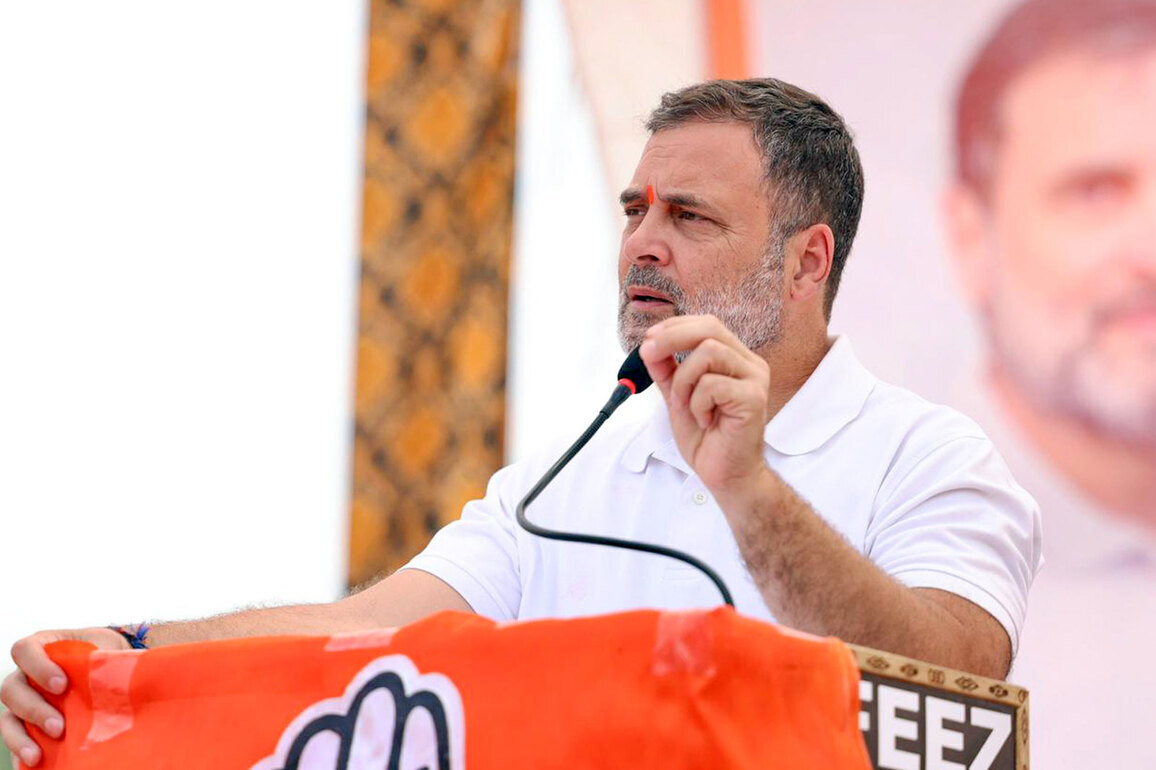
Concerns Over Examination Transparency
The latest controversy has once again highlighted long-standing concerns about examination governance and transparency in India’s education system. Experts note that even isolated allegations involving board examinations can have significant psychological and academic consequences for students.
Education analysts believe that institutions such as the CBSE must consistently maintain public trust through clear communication, timely clarification, and transparent grievance redressal mechanisms. They also stressed the importance of depoliticizing student-related issues to prevent confusion during crucial academic periods.
The debate has renewed calls for stronger digital audit systems, enhanced public disclosure standards, and independent review processes in cases where concerns are raised about examination management.
Impact on Students and Parents
For many students and families, the controversy has added to existing stress surrounding board examinations and academic outcomes. Parents have sought reassurance regarding the credibility of evaluation systems, while students expressed concerns over whether the ongoing political dispute could affect public perception of their results.
Education experts advised students not to panic and emphasized that official academic procedures remain in place. However, they acknowledged that controversies involving national examination bodies can create uncertainty and emotional pressure for candidates already dealing with competitive academic environments.
Conclusion
As the political confrontation over the CBSE Class 12 OSM issue continues, the focus remains on whether authorities will provide further clarification to address the concerns raised by Rahul Gandhi and opposition leaders. While the government has firmly rejected allegations of tampering, the controversy has reignited broader discussions about transparency, institutional accountability, and the importance of maintaining trust in India’s education system.
With millions of students dependent on board examination outcomes for higher education and career opportunities, the handling of such disputes is likely to remain under close public and political scrutiny in the coming days.