

Several major Indian airlines have started trimming their flight schedules as rising aviation turbine fuel (ATF) prices and mounting operational expenses place increasing pressure on the aviation sector. Leading carriers including Air India, IndiGo, and Air India Express are reportedly adjusting capacity across select domestic and international routes to manage escalating costs and improve operational efficiency.
The decision comes at a time when the aviation industry is already navigating multiple challenges, including fluctuating global crude oil prices, supply chain disruptions, aircraft maintenance delays, and pressure on profitability. Airlines are now being forced to recalibrate route planning and optimize fleet utilization to maintain financial stability while ensuring minimal disruption to passengers.
Fuel Price Surge Impacts Airline Economics
Aviation turbine fuel remains one of the largest operational expenses for airlines, often accounting for a significant share of total operating costs. The recent increase in fuel prices has sharply raised expenditure for carriers already working with narrow profit margins.
Industry experts say that rising fuel costs directly affect airline pricing strategies, route viability, and scheduling decisions. Airlines typically attempt to absorb part of the increase to remain competitive, but sustained price hikes often leave carriers with limited options beyond capacity reduction or fare adjustments.
The current environment has become particularly challenging for Indian airlines because domestic air travel demand remains strong, yet operational expenses continue to rise faster than revenue growth in several segments. 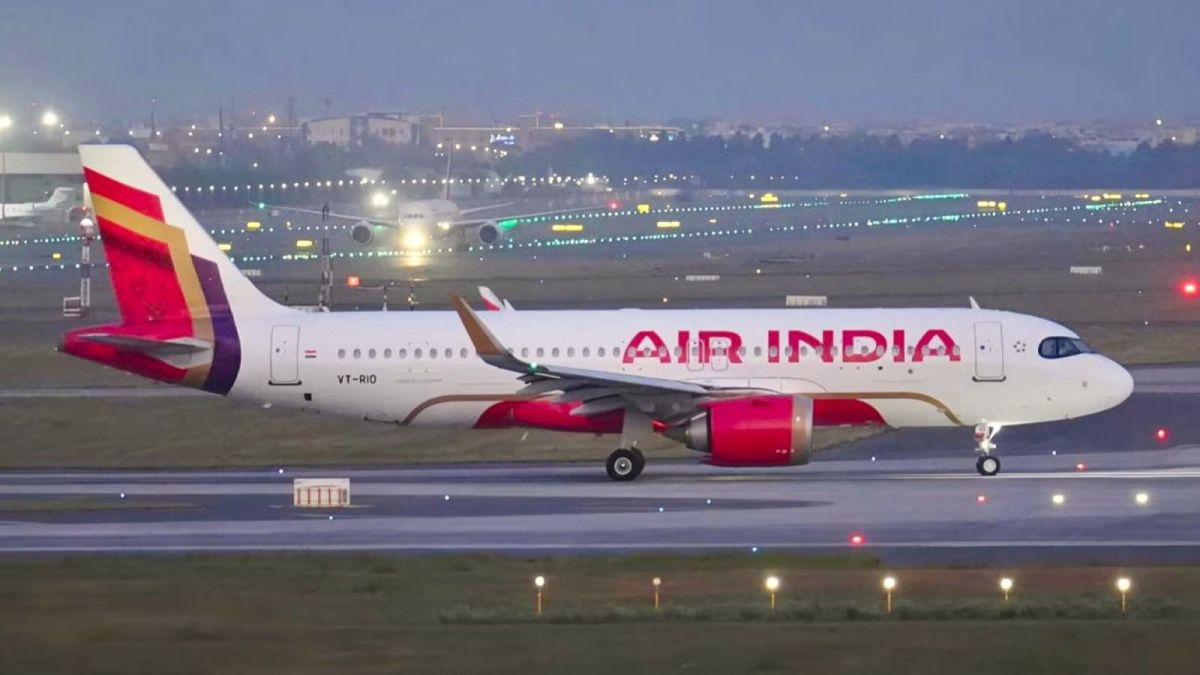
Airlines Rationalise Routes and Frequencies
Sources within the aviation industry indicate that airlines are reviewing underperforming and low-yield routes while reducing flight frequencies on sectors where demand patterns do not justify higher operating costs. In some cases, flights are being consolidated to improve seat occupancy and reduce unnecessary fuel burn.
Air India has reportedly initiated selective schedule adjustments as part of broader operational restructuring efforts aimed at improving efficiency. IndiGo, the country’s largest airline by market share, is also believed to be fine-tuning capacity deployment across its network to manage cost pressures while maintaining punctuality and operational reliability.
Air India Express has similarly undertaken network optimization measures, especially on routes where operational expenses have significantly increased in recent months.
Industry analysts note that such reductions are not unusual during periods of financial stress or elevated fuel prices. Airlines often revise schedules dynamically based on seasonal demand, fleet availability, and cost trends.
Operational Challenges Add to Pressure
Apart from fuel costs, airlines are also facing operational constraints linked to aircraft availability and maintenance requirements. Global supply chain disruptions in the aviation sector have delayed spare parts procurement and engine maintenance timelines, affecting fleet deployment for several carriers worldwide.
These challenges have reduced operational flexibility for airlines, forcing them to prioritize profitable routes and streamline aircraft usage. Delays in aircraft deliveries and maintenance bottlenecks have further complicated expansion plans for many carriers.
The combined impact of higher fuel expenses and operational limitations has increased pressure on airline management teams to carefully balance profitability, passenger demand, and service quality. 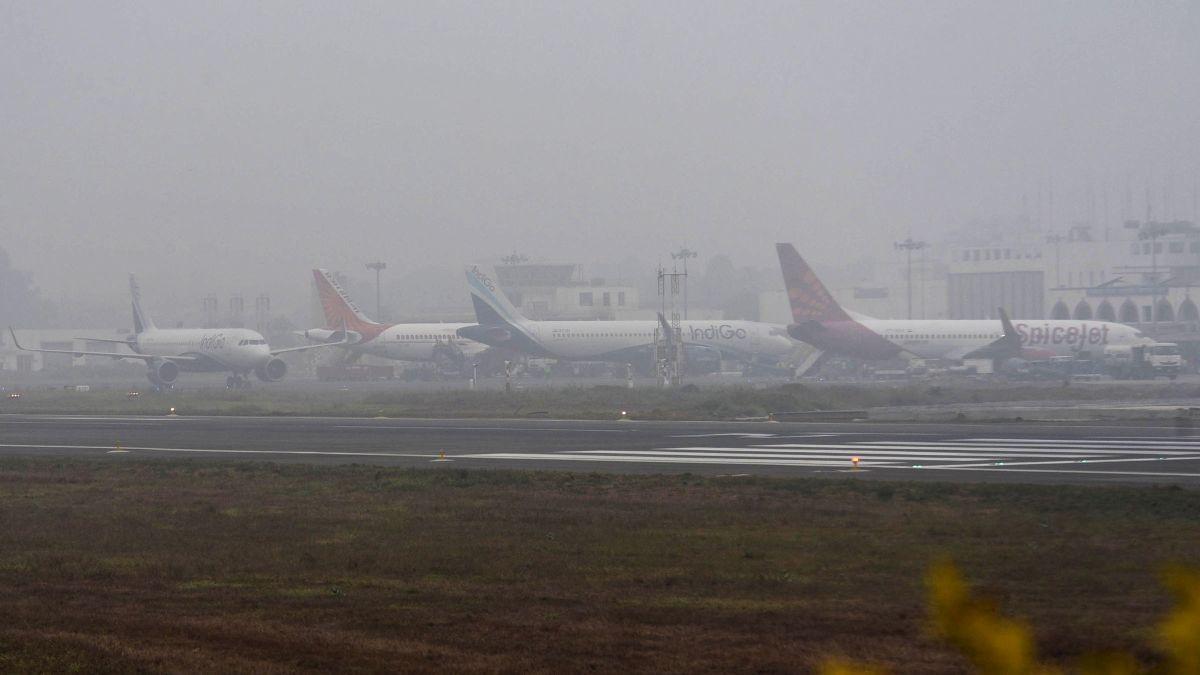
Impact on Passengers
Passengers may experience schedule changes, route consolidation, or reduced flight options on certain sectors as airlines continue network optimization efforts. However, aviation experts believe major carriers will attempt to minimize inconvenience by reallocating passengers to alternative flights wherever possible.
Travel demand in India continues to remain robust, particularly during holiday periods and peak travel seasons. Airlines are therefore expected to focus on maintaining connectivity on high-demand routes while selectively reducing services on less profitable sectors.
Industry observers also suggest that airfare trends could remain volatile in the coming months if fuel prices continue to rise. Airlines may eventually pass part of the additional operating burden onto consumers through higher ticket prices or revised pricing strategies.
Indian Aviation Sector Faces Balancing Act
India’s aviation market has witnessed rapid expansion over the past decade, driven by rising disposable incomes, stronger regional connectivity, and increased air travel demand. However, the sector remains highly sensitive to fuel price fluctuations and currency movements.
Experts believe airlines will continue to adopt cautious operational strategies until fuel prices stabilize and supply chain conditions improve globally. Carriers are expected to prioritize efficiency, route profitability, and cost management while preserving market share in one of the world’s fastest-growing aviation markets.
Despite the near-term challenges, long-term growth prospects for Indian aviation remain strong due to sustained passenger demand and expanding infrastructure across the country. Analysts say airlines that successfully manage operational efficiency and cost pressures during this period are likely to emerge stronger in the competitive aviation landscape.