
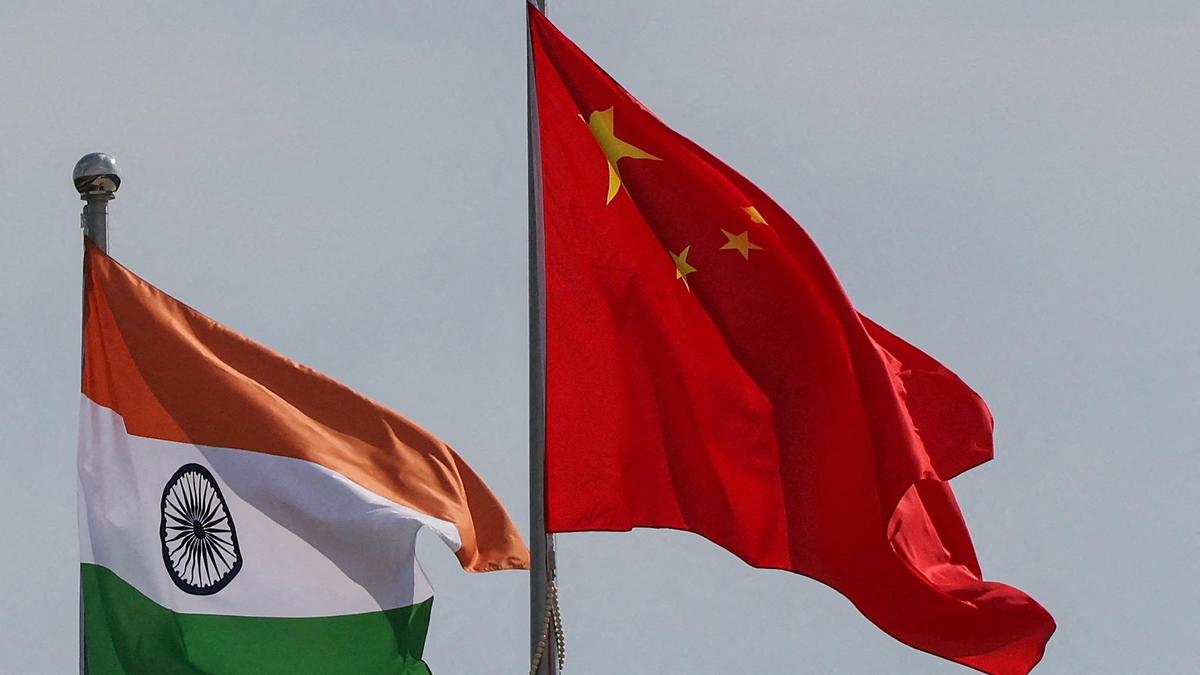
India and China have held another round of high-level diplomatic and military discussions focused on the Line of Actual Control (LAC), with both nations describing the engagement as constructive and forward-looking. The talks reflected a cautious but visible effort by the two Asian powers to stabilize relations after years of military tensions along the disputed Himalayan frontier.
Officials from both sides underlined that maintaining peace and tranquility in border regions remains essential for rebuilding trust and restoring normalcy in broader bilateral relations. The meeting comes amid ongoing diplomatic attempts to prevent fresh military confrontations and improve communication mechanisms along sensitive sectors of the border.
Focus on Stability Along the Border
During the discussions, India reiterated its long-standing position that peace at the border is the foundation for healthy bilateral engagement. Indian representatives emphasized that relations between the two countries cannot progress normally unless stability is maintained along the LAC.
Chinese officials also expressed support for continued dialogue and confidence-building measures aimed at preventing misunderstandings and avoiding escalation in disputed regions. Both sides reportedly agreed to maintain diplomatic and military channels to address unresolved concerns in a structured manner.
The dialogue focused on reviewing the current ground situation, assessing existing disengagement measures, and identifying ways to strengthen mechanisms for managing border tensions. Officials discussed the importance of adhering to previously agreed protocols and maintaining restraint among troops stationed near sensitive areas. 
Continued Diplomatic Engagement
The latest round of talks is part of an ongoing series of diplomatic and military-level engagements initiated after the prolonged border standoff that significantly strained relations between the two countries. Since tensions escalated in eastern Ladakh several years ago, both governments have conducted multiple rounds of negotiations aimed at disengagement and de-escalation.
While progress has been reported in certain friction points, several issues remain unresolved, making continued communication critical for avoiding further deterioration in ties. The discussions highlighted the importance of regular interaction between military commanders and diplomatic representatives to ensure stability on the ground.
Analysts believe the recent tone of engagement indicates a mutual understanding that prolonged hostility could negatively affect regional security, trade relations, and strategic stability across Asia.
Border Peace Linked to Broader Bilateral Relations
Indian officials reportedly conveyed that normalization of relations in areas such as trade, investment, people-to-people exchanges, and political cooperation depends heavily on sustained peace along the border. This position has remained consistent in India’s diplomatic messaging over recent years.
The talks also reflected a recognition that unresolved border tensions have affected the overall trajectory of India-China relations. Diplomatic observers note that despite economic interactions continuing between the two countries, political trust has remained fragile due to military confrontations and competing strategic interests.
By linking border stability to broader bilateral engagement, India signaled that progress in diplomatic and economic relations will likely remain tied to tangible developments on the ground. 
Strategic Importance of the Dialogue
The discussions carry significance beyond bilateral relations, as both India and China play central roles in regional and global geopolitics. Stability between the two nuclear-armed neighbors is closely watched by international observers due to its implications for Asian security and global economic balance.
The continued engagement also comes at a time when geopolitical competition in the Indo-Pacific region is intensifying. Both countries are attempting to manage strategic rivalry while preventing direct confrontation along the border.
Experts suggest that sustained diplomatic communication, combined with military-level coordination, may help reduce the risk of accidental escalation even if a final resolution to the boundary dispute remains distant.
Outlook for Future Talks
Although no major breakthrough was announced following the latest round of discussions, the constructive tone of the talks was viewed as a positive development in maintaining diplomatic momentum. Both sides are expected to continue engagement through established mechanisms in the coming months.
The emphasis on dialogue, restraint, and border stability suggests that India and China are seeking to carefully manage tensions while exploring possibilities for gradual improvement in relations. However, observers caution that lasting normalization will depend on concrete progress in resolving outstanding border issues and ensuring long-term peace along the LAC.
As diplomatic and military channels remain active, future negotiations are likely to play a crucial role in shaping the next phase of relations between the two neighboring powers.