
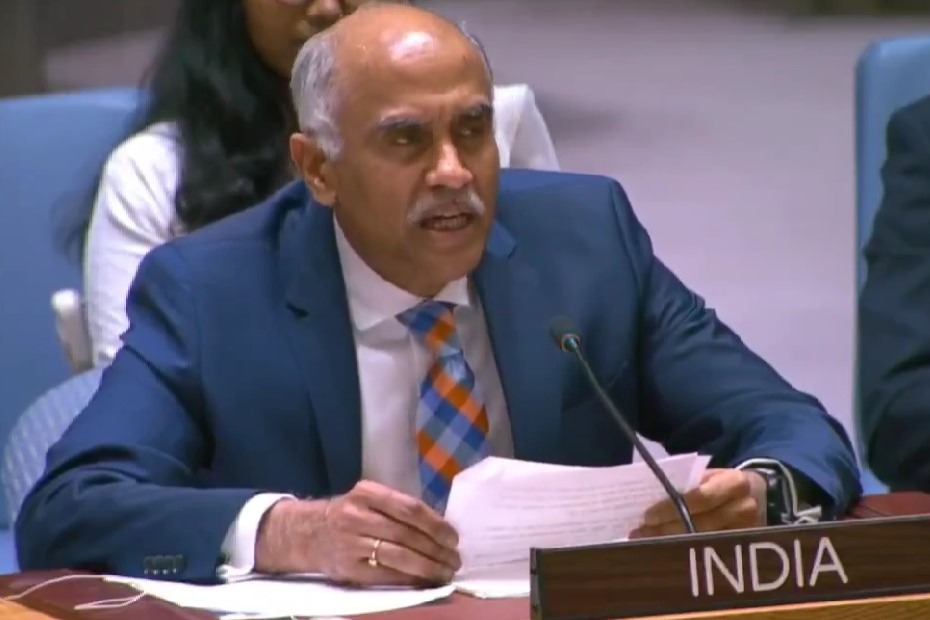
India delivered a sharp and uncompromising message at the United Nations Security Council, stating that Pakistan must face the consequences of sponsoring cross-border terrorism and reaffirming New Delhi’s sovereign right to defend its citizens and territory against terror threats.
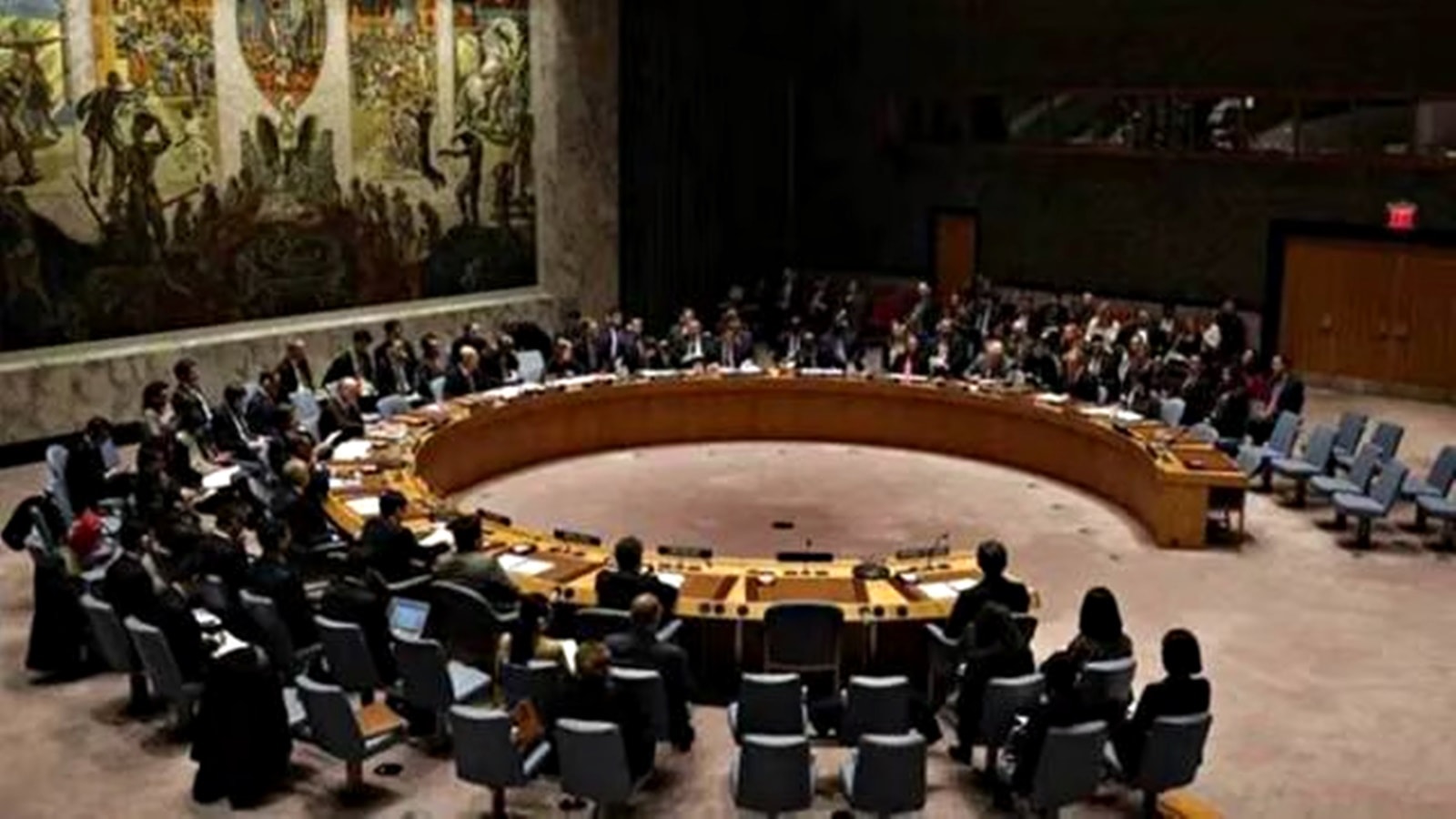
The remarks came during a high-level discussion at the UN Security Council, where Indian representatives raised concerns over the continuing threat posed by terrorist groups operating from across the border. India emphasized that terrorism remains one of the gravest threats to international peace and stability and called on the global community to adopt a zero-tolerance approach toward nations accused of providing safe havens, funding, or logistical support to extremist networks.
The Indian delegation underscored that no country should be permitted to use terrorism as an instrument of state policy while simultaneously seeking international legitimacy. Officials stressed that nations supporting terrorism directly or indirectly must be held accountable under international law.
India Defends Right to Self-Protection
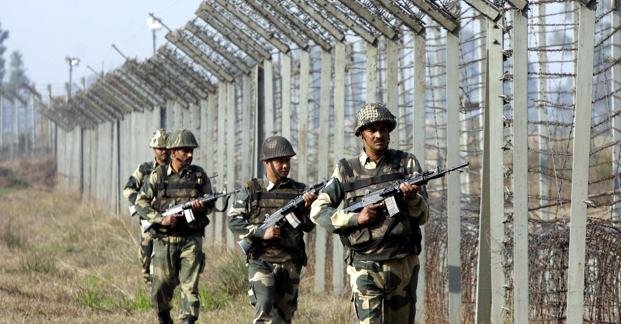
During the session, India reiterated that every sovereign nation has the inherent right to self-defence against acts of terrorism. The Indian side argued that repeated cross-border attacks targeting civilians and security personnel cannot be ignored and that decisive measures are sometimes necessary to neutralize threats before they escalate further.
India’s representatives maintained that counterterrorism actions undertaken in self-defence are consistent with international law and the principles enshrined in the United Nations Charter. The statement reflected New Delhi’s long-standing position that terrorism originating from across its borders poses a direct threat to regional stability and national security.
Officials also highlighted the human cost of terrorism, noting that innocent civilians continue to bear the brunt of extremist violence. India urged the international community to recognize the seriousness of the threat and avoid selective responses when addressing terrorism-related issues.
Global Community Urged to Take Firm Action
India called upon UN member states to strengthen international cooperation against terrorism by dismantling terror financing networks, restricting extremist propaganda, and ensuring that perpetrators are brought to justice without delay.
The Indian delegation warned that failure to act firmly against terror infrastructure could embolden extremist groups and create long-term instability across regions already facing geopolitical tensions. According to Indian officials, counterterrorism efforts must be comprehensive, coordinated, and free from political considerations.
The remarks also reflected growing concerns over the use of proxy actors and non-state militant groups in regional conflicts. India argued that countries enabling such organizations should not escape scrutiny simply because of political or strategic alliances.
Diplomatic Tensions Between India and Pakistan Continue
The latest statement at the UN comes amid continued diplomatic strain between India and Pakistan over allegations related to cross-border militancy and regional security issues. India has repeatedly accused Pakistan-based terror groups of orchestrating attacks on Indian soil, while Pakistan has denied such allegations on multiple occasions.
Over the years, terrorism-related tensions have remained a major obstacle in bilateral relations between the two nuclear-armed neighbors. Several international forums, including the United Nations, have witnessed repeated exchanges between the two countries over issues related to security, terrorism, and regional stability.
India’s latest remarks indicate that New Delhi intends to maintain diplomatic pressure on Pakistan in global institutions while continuing to advocate stronger international mechanisms against terrorism.
Terrorism Remains a Key Global Security Challenge
India also used the platform to emphasize that terrorism is not confined to any single region and continues to threaten countries worldwide. The delegation stressed that international institutions must remain united in confronting extremist violence and preventing the spread of radical networks.
According to Indian officials, selective condemnation or political shielding of countries accused of supporting terrorism weakens global counterterrorism efforts. India argued that a unified global response is essential to preserve international peace and ensure accountability.
The statement reinforced India’s broader diplomatic strategy of positioning counterterrorism cooperation as a critical pillar of global security policy. New Delhi has consistently advocated stronger international action against terror financing, extremist recruitment, and cross-border militant operations.
India Signals Continued Assertive Diplomacy
Observers believe India’s strong remarks at the UN Security Council reflect its increasingly assertive diplomatic posture on national security issues. The government has consistently emphasized that protecting national sovereignty and preventing terror attacks remain top priorities.
India’s intervention at the UN also signals its intent to keep the issue of cross-border terrorism at the center of international discussions, particularly as geopolitical tensions continue to shape global security debates.
The developments are expected to further intensify diplomatic exchanges between India and Pakistan in international forums in the coming months, especially on issues linked to regional security and counterterrorism cooperation.