
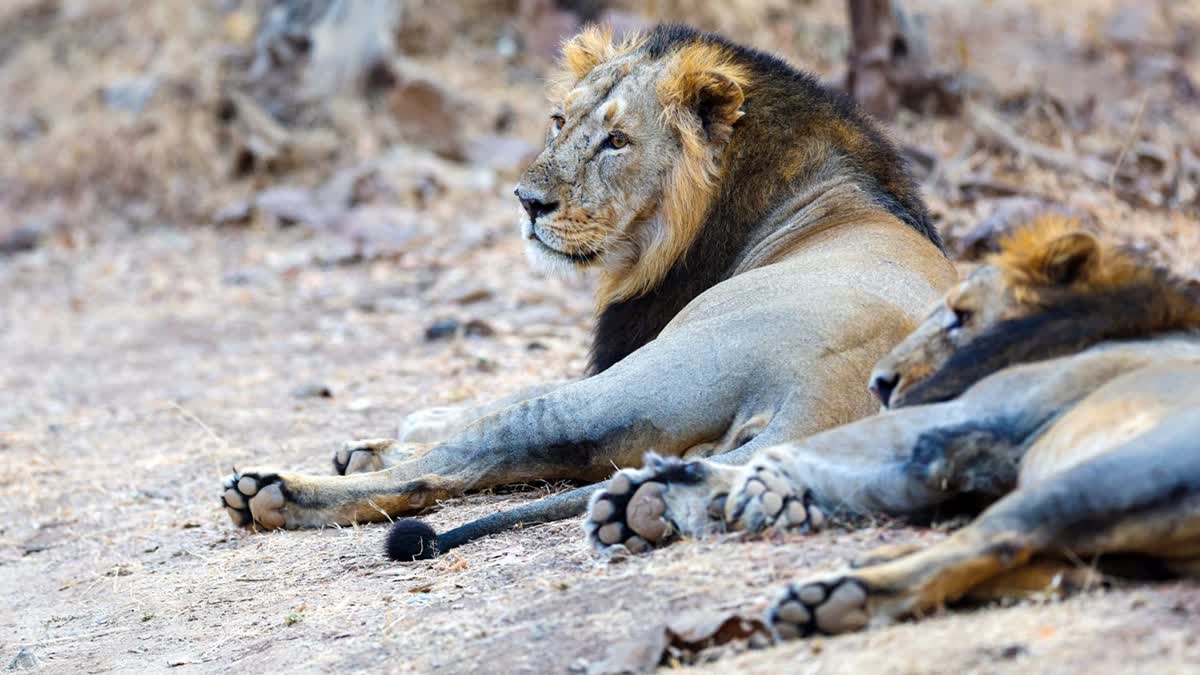
Fresh concerns have emerged over the safety and health of Asiatic lions in Gujarat after eight lions reportedly died within a span of just 10 days in the Gir landscape, triggering alarm among conservationists, wildlife experts, and forest officials. The deaths have intensified discussions surrounding wildlife management, disease surveillance, habitat pressures, and the long-term sustainability of the only wild population of Asiatic lions in the world.
According to officials monitoring the Gir ecosystem, the lion deaths occurred across different ranges of the protected landscape, which includes Gir National Park and surrounding forest divisions. Preliminary assessments suggest that the deaths may have resulted from a combination of natural causes, territorial conflicts, age-related complications, and possible health-related factors. However, wildlife experts have stressed the need for thorough investigations and scientific analysis to rule out any larger threat to the lion population.
The Gir landscape in Gujarat is globally significant because it is home to the last remaining population of Asiatic lions. Over the past several decades, conservation efforts have helped the lion population grow steadily. The increasing number of lions has often been highlighted as a major wildlife success story. However, experts say that periodic deaths, especially when occurring in clusters within a short period, must be carefully examined to identify emerging ecological or veterinary concerns.
Forest department teams reportedly conducted post-mortem examinations on the dead lions to determine the exact causes of death. Samples collected during the examinations are expected to undergo laboratory testing to check for infections, disease outbreaks, poisoning, or other abnormalities. Officials have indicated that no immediate evidence of a widespread epidemic has been confirmed so far, though monitoring has been intensified across the region as a precautionary measure.
Wildlife specialists note that lions in the Gir landscape face multiple pressures despite conservation success. As lion numbers rise, territorial competition among adult males and pride movements often increase, sometimes leading to violent clashes. Younger lions dispersing into new areas also encounter risks such as accidents, electrocution, open wells, and interactions with human settlements.
Conservationists have repeatedly emphasized the importance of strengthening veterinary surveillance systems in lion habitats. They argue that rapid response teams, regular health screenings, and advanced disease-monitoring mechanisms are essential to protect the vulnerable species from sudden outbreaks or environmental stress factors. 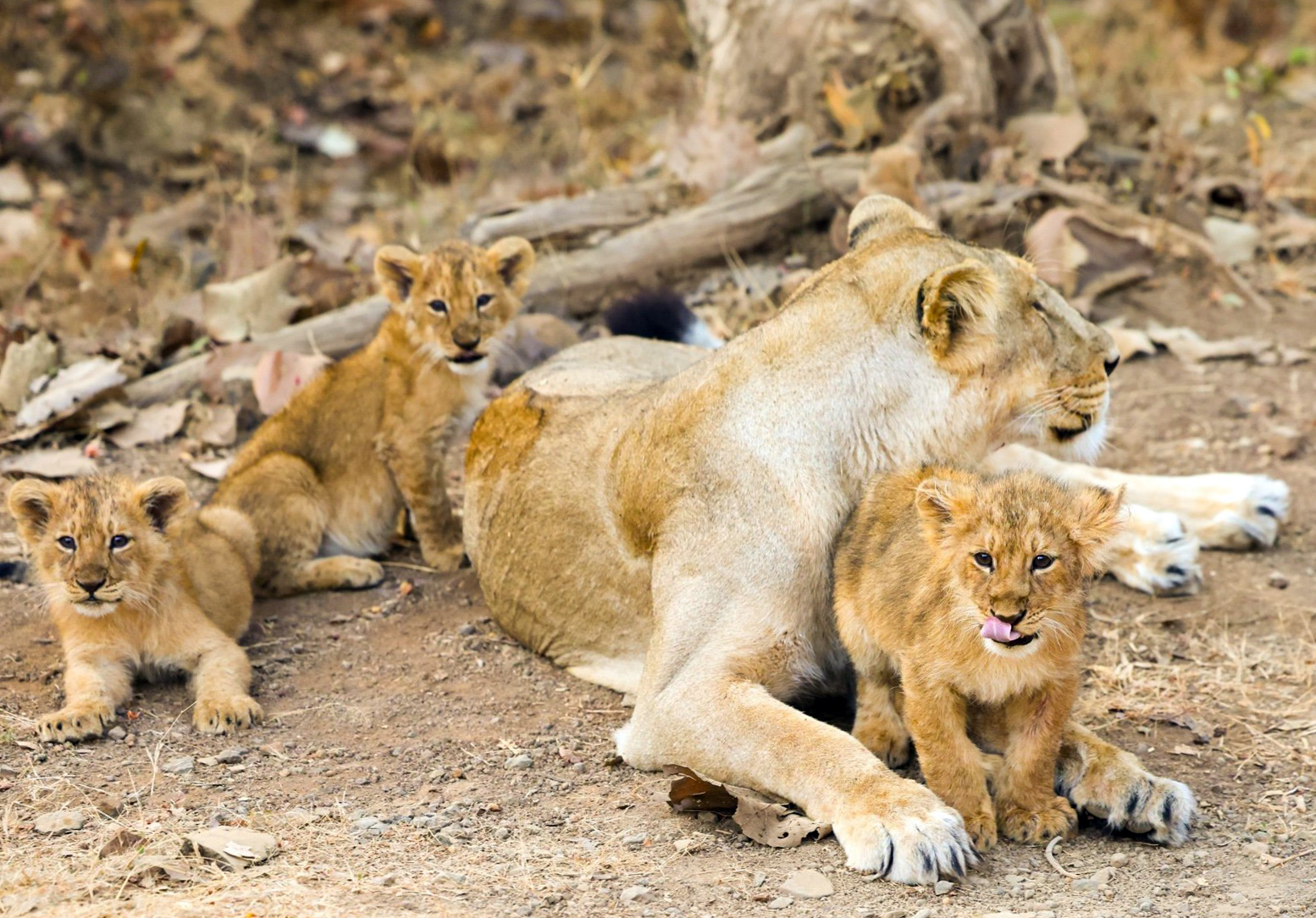
The deaths have also revived concerns regarding habitat expansion and the need to create additional safe zones for the growing lion population. Over the years, lions from Gir have expanded beyond the protected forest into coastal belts, agricultural fields, and nearby districts in search of territory and prey. While this expansion demonstrates the species’ recovery, it also increases the risk of human-wildlife conflict and exposure to external threats.
Experts say climate conditions, water availability, prey distribution, and changing land-use patterns can also influence lion movement and health. The summer season, in particular, can place added stress on wildlife due to rising temperatures and reduced natural water sources in some regions.
Authorities have reportedly increased field surveillance and instructed forest teams to closely monitor lion movements and behavior. Veterinary teams are also said to be on alert to identify any signs of illness or unusual mortality patterns among other animals in the ecosystem.
Wildlife activists have called for greater transparency in sharing investigation findings related to lion deaths. They believe detailed public reporting helps build confidence in conservation systems while also encouraging scientific collaboration in wildlife health management.
The Asiatic lion remains one of India’s most iconic and closely monitored wildlife species. Any unusual mortality event involving lions naturally attracts national attention due to the species’ limited global population and ecological importance. Experts maintain that while occasional lion deaths may occur naturally, continuous scientific monitoring and swift intervention remain crucial to ensuring the long-term survival of the species in the Gir landscape.
The latest deaths have once again highlighted the delicate balance required to manage a growing predator population within a shared ecosystem where wildlife, forests, villages, and human activities continue to intersect closely.